Asthma in adults is not always a major breathing attack. For many adults, it starts quietly.
A little tightness in the chest while climbing stairs. Breathing difficulty after dust exposure. A cough that becomes worse during the night. At first, people usually ignore these signs because these signs sometime stay for a few days and sometime don't even bother you for a few weeks.
But asthma is more than just a breathing discomfort. It is a medical condition where the airways inside the lungs become sensitive and inflamed due to various reasons. Because of this inflammation, the air passages (from where we breath) narrow down and make breathing difficult.
Sometimes the symptoms remain mild and unnoticable for weeks. And then suddenly one day, something triggers the airways and breathing becomes harder than usual.
This is why proper asthma treatment becomes important early (early here means, first few times when you feel uneasy to take breath), before the symptoms begin interfering with sleep, work, or normal daily activities.
What are the main factors that trigger asthma?
Asthma triggers are different for different people. Something that affects one person badly may not affect another person at all. But there are some common triggers doctors see regularly.
Dust is one of the biggest triggers. Many adults notice breathing difficulty while cleaning, travelling, or staying in dusty places.
Smoke is another common factor. Cigarette smoke, pollution, kitchen smoke, and even strong perfumes may irritate the airways.
Weather changes also affect many patients. Cold air or sudden seasonal changes can trigger symptoms quickly.
Some people experience breathing problems after viral infections like cough and cold. Others notice symptoms after exercise or stress.
This is where understanding personal triggers becomes a major part of long-term asthma management.
Because treatment is not only about medicines. It is also about reducing exposure to things that worsen symptoms.
Initial symptoms people usually ignore
The early symptoms of asthma are often confusing because they don’t always look serious. People usually adjust to them instead of getting checked.
One common and most ignorable symptom is night-time cough. Many adults keep coughing at night for months without realising it may be linked to asthma. Nobody thinks that they might be experiencing this cough because of asthma.
Another early and easily avoidable sign is getting tired faster during physical activity. Some people just stop climbing stairs quickly or avoid long walks because their breathing feels uncomfortable to them each time they do physical activity. And they just avoid doing it.
Mild wheezing also gets ignored often. It may sound like a soft whistling noise while breathing out.
Chest heaviness is another symptom people mistake for weakness, acidity, or tiredness.
These symptoms may not happen daily. That irregular pattern is exactly why many people delay seeking pulmonology care.
Main symptoms that shouldn’t be ignored
As asthma progresses, the symptoms become more noticeable. Breathing difficulty may begin affecting routine activities. Some important symptoms that should not be ignored include:
- repeated breathlessness
- tightness in the chest
- wheezing sound while breathing
- persistent cough, especially at night
- difficulty breathing after dust or smoke exposure
- sudden attacks of severe breathing discomfort
In some people, symptoms become worse during seasonal changes or allergy exposure.
This is why conditions related to allergy and asthma are often connected. People with allergies may have more sensitive airways and stronger asthma reactions. Ignoring these symptoms for long periods may increase the chances of severe attacks later.
Asthma treatment options available in India
Today, several effective asthma treatment options are available in India. The treatment depends on:
- symptom severity
- frequency of attacks
- trigger exposure
- lung condition
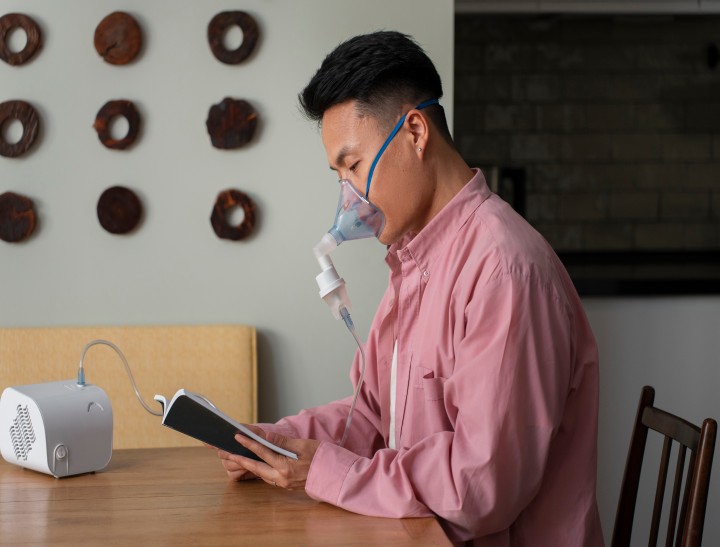
Inhalers remain one of the most common and effective treatments. Many people fear from inhalers initially because they think inhaler means serious. They assume that if doctor suggest inhaler that means the problem has grown and become a disease now. But doctors often recommend inhalers because they deliver medicine directly into the lungs and control inflammation better.
Some inhalers are used daily for long-term asthma management, while others provide quick relief during sudden breathing difficulty. Doctors may also prescribe:
- anti-allergy medicines
- bronchodilator medicines
- steroid-based medicines in controlled doses
In moderate or severe cases, regular follow-up and proper pulmonology care become important to prevent repeated flare-ups.
Breathing exercises and lifestyle changes are also commonly advised along with medicines.
How to accept the treatment process in daily life
This is the part many adults struggle with emotionally. People often feel frustrated after diagnosis because asthma feels like a long-term condition they must keep managing. But the reality is this, many people with asthma continue to live active and normal lives with proper care.
The key is consistency. Taking medicines only during severe attacks usually does not work well in long-term asthma management.
Doctors usually advise:
- taking medicines regularly
- avoiding known triggers
- carrying inhalers if prescribed
- staying physically active carefully
- getting proper sleep and nutrition
Once people understand their triggers and treatment routine, managing asthma becomes much easier. And honestly, many patients feel much better once the breathing symptoms finally come under control.
Let’s conclude
Asthma in adults often develops slowly, which is why many people ignore the symptoms for a long time. A cough that keeps returning, chest tightness, wheezing, or breathlessness after dust exposure should not always be dismissed as “normal.” The good thing is that proper asthma treatment, regular pulmonology care, and early attention to allergy and asthma triggers can help control symptoms effectively. And in many cases, understanding the condition properly reduces fear more than the treatment itself. Because once breathing becomes easier again, daily life starts feeling normal again too.
FAQs
1. Can asthma start in adulthood?
Yes. Asthma is not only a childhood condition. Many people develop asthma symptoms for the first time as adults, especially after allergies, pollution exposure, smoking, or repeated respiratory infections.
2. Is using an inhaler harmful for long-term use?
No. Inhalers are commonly used because they deliver medicine directly into the lungs in controlled amounts. Doctors often prefer inhalers as part of proper asthma treatment because they help control airway inflammation effectively.
3. Can stress or anxiety trigger asthma symptoms?
Yes. Stress and anxiety may worsen breathing discomfort in some people. Emotional stress can sometimes trigger chest tightness, wheezing, or breathing difficulty, especially in sensitive airways.
4. How do I know if my breathing problem is asthma or allergy?
Asthma and allergies are often connected, but they are not exactly the same. Symptoms like repeated wheezing, night-time cough, chest tightness, or breathlessness after dust exposure may suggest asthma. Proper pulmonology care helps confirm the exact cause.
5. Can adults with asthma exercise normally?
Yes. They can stay physically active with proper asthma management and treatment. Doctors may advise suitable exercises and breathing routines depending on symptom control and overall lung condition.