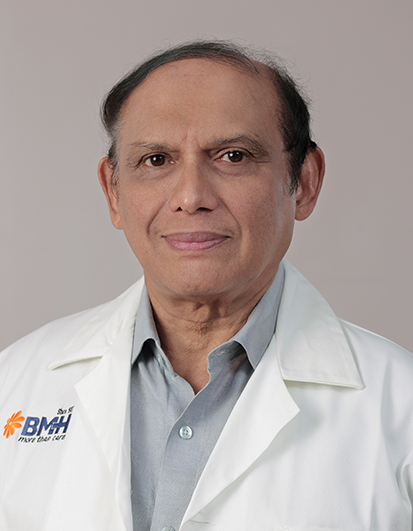
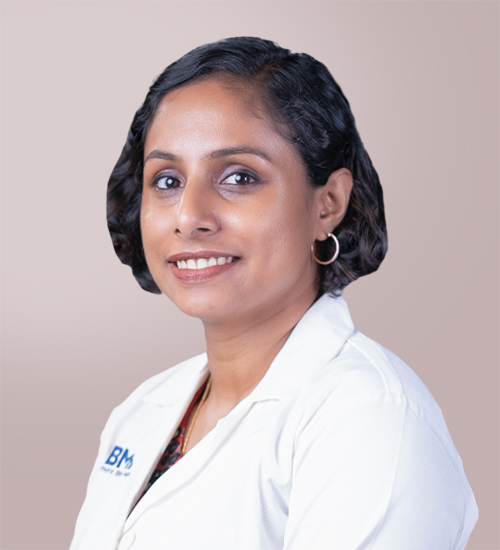
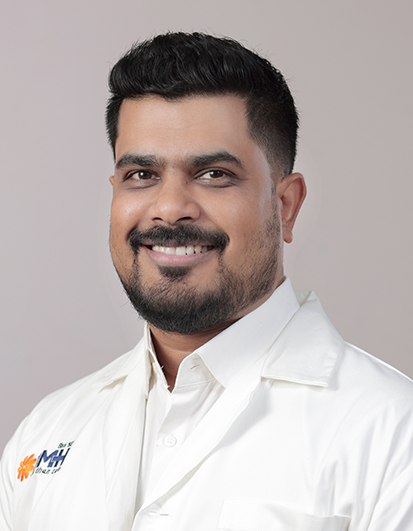
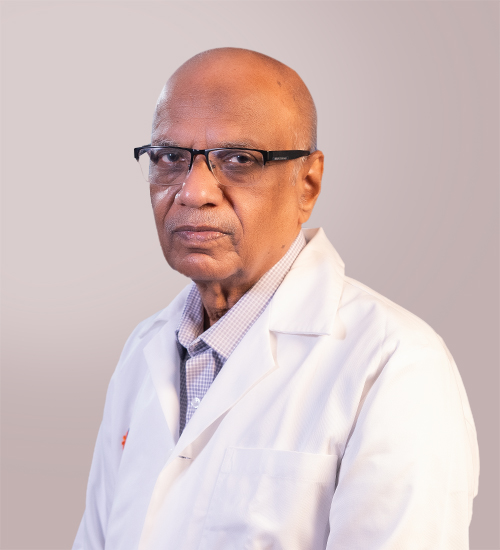
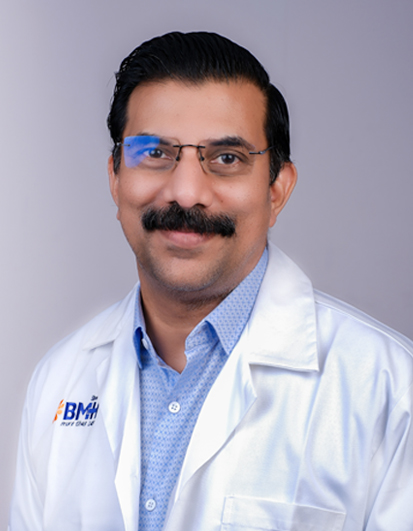
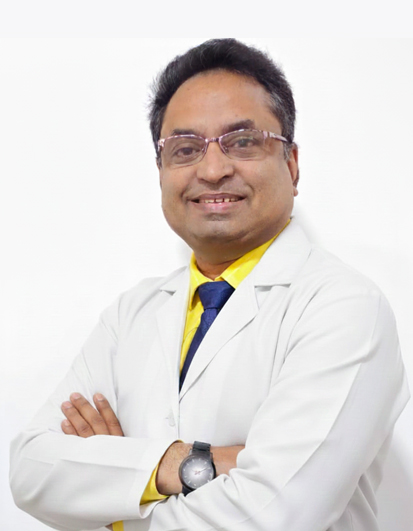
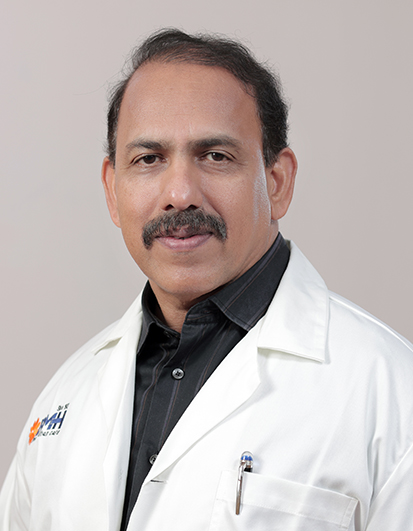
Published with the inputs from Javed Ahamed T P, Consultant, Neurology, Baby Memorial Hospitals- Kozhikode
Neuromuscular disorders are conditions that affect the nerves controlling voluntary muscles and the muscles themselves. These disorders may cause weakness, fatigue, numbness, and difficulty in movement. While many are chronic, early diagnosis, proper treatment, and rehabilitation can significantly improve quality of life.
What are neuromuscular disorders?
Neuromuscular disorders are conditions that impair the functioning of nerves, muscles, or the communication between them. Examples include:
Muscular dystrophy
Myasthenia gravis
Peripheral neuropathy
Spinal muscular atrophy
Motor neuron disease (e.g., ALS)
What are the common symptoms of neuromuscular disorders?
Muscle weakness and fatigue
Numbness or tingling in limbs
Difficulty walking, climbing stairs, or lifting objects
Muscle cramps or twitching
Problems with speech, swallowing, or breathing (in advanced cases)
How are neuromuscular disorders diagnosed?
Diagnosis may include:
Neurological examination
Nerve conduction studies (NCS) and electromyography (EMG)
Blood tests for muscle enzymes and antibodies
Muscle or nerve biopsy in some cases
Genetic testing (for inherited disorders)
How are neuromuscular disorders treated?
Treatment depends on the condition and may include:
Medications: Immunosuppressants, steroids, or targeted drugs (e.g., for myasthenia gravis or neuropathy)
Plasmapheresis or IV immunoglobulin (IVIG): For certain autoimmune neuromuscular diseases
Physiotherapy and occupational therapy: To maintain mobility and daily independence
Assistive devices: Braces, wheelchairs, or breathing support if needed
Lifestyle modifications: Nutrition, exercise, and rest tailored to the condition
Can neuromuscular disorders be cured?
The treatment depends on the type of disorder and the substrate affected. Most disorders can be controlled. Usually it involves measures to
Slow disease progression
Improve symptoms
Prevent complications
Enhance quality of life and independence
What kind of rehabilitation is needed for neuromuscular disorders?
Rehabilitation is a key part of management and may involve:
Physiotherapy: To strengthen muscles and improve mobility
Occupational therapy: For adapting daily activities
Speech and swallowing therapy: If speech or swallowing muscles are affected
Respiratory therapy: For breathing difficulties in advanced cases
Connect with Our Experts Today
If you or a loved one has symptoms of a neuromuscular disorder, the Neurology & Rehabilitation Team at Baby Memorial Hospital (BMH) provides expert diagnosis, advanced treatments, and personalized rehabilitation programs to help patients manage symptoms and live fuller lives.
👉Book an Appointment Online or visit BMH to consult our neurology specialists.
We use cookies to enhance your browsing experience and provide personalized content.
By continuing to use our website, you consent to our use of cookies.
Read our Cookie Policy