COPD or chronic obstructive pulmonary disease is a long-term lung condition that affects normal breathing of a person and gradually reduces airflow to the lungs resulting to hard breathing. It is not a single disease, but a group of lung conditions that make breathing difficult over time.
The two most common conditions linked to COPD are:
- chronic bronchitis
- emphysema
In chronic bronchitis, the airways remain inflamed and produce excess mucus. In emphysema, the tiny air sacs inside the lungs become damaged, making it harder for oxygen to move properly into the bloodstream.
Many people live with COPD symptoms for years without realising that their breathing problems are connected to a chronic lung disease.
That is why early diagnosis and proper COPD management become very important for protecting long-term lung health.
What Causes COPD?
Several factors may increase the risk of developing chronic obstructive pulmonary disease.
Smoking
Smoking is considered one of the leading causes of COPD. Cigarette smoke slowly damages the airways and lung tissues over time.
Even long-term passive smoking or regular exposure to second-hand smoke may affect lung function.
Air Pollution
Continuous exposure to dust, pollution, smoke, and harmful chemicals can irritate the lungs and contribute to breathing problems.
Recurrent Lung Infections
Frequent respiratory infections may weaken the lungs and increase inflammation inside the airways.
Allergies and Airway Sensitivity
Some people naturally have sensitive airways that react strongly to irritants, smoke, or pollutants.
Occupational Exposure
People working in factories, mines, construction areas, or dusty environments may develop lung damage after years of exposure.
How Would You Know That You Have COPD?
The symptoms of COPD usually develop gradually.
In the beginning, many people think it is only tiredness or a seasonal cough. But over time, breathing becomes more difficult.
Some common symptoms include:
Persistent Cough
A long-standing cough, especially with mucus production, is one of the early signs of chronic obstructive pulmonary disease.
Breathlessness
People often notice difficulty while climbing stairs, walking fast, or doing simple physical activity.
Wheezing
A whistling sound while breathing may occur because of narrowed airways.
Chest Tightness
Some patients feel heaviness or tightness in the chest, especially during breathing difficulty.
Frequent Respiratory Infections
People with COPD are often more vulnerable to repeated chest infections.
These symptoms should not be ignored, especially if they continue for several weeks or gradually worsen over time.
Can COPD Be Managed? If Yes, Then How?
Yes, proper COPD management can help control symptoms, improve breathing, and slow down the progression of the disease.
Treatment usually focuses on improving quality of life and protecting remaining lung function.
1. Stop Smoking Completely
This is the most important step.
Quitting smoking helps prevent further damage to the lungs and improves overall lung health over time.
Even people who have smoked for many years benefit after stopping.
2. Identify and Avoid Triggers
Dust, pollution, smoke, strong perfumes, and cold air can worsen symptoms.
Being aware of triggers helps reduce breathing discomfort and flare-ups.
3. Follow Regular Physical Activity
Simple activities like walking and breathing exercises help improve stamina and strengthen lung function gradually.
Exercise should always be done according to a doctor’s advice and comfort level.
4. Focus on Nutrition and Hydration
A balanced diet supports better energy levels and overall health.
Doctors often recommend:
- green vegetables
- fruits
- enough water
- high-fiber foods
Good nutrition becomes important because breathing itself requires extra effort in COPD patients.
5. Use Steam and Airway Care Carefully
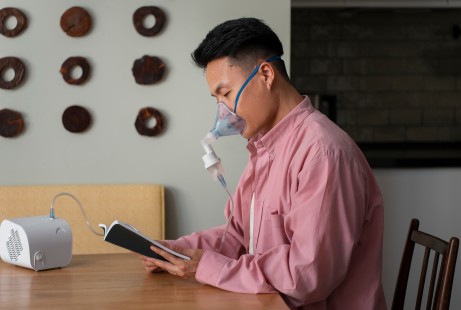
Warm steam inhalation may help loosen mucus and make breathing slightly easier in some people. However, it should be done carefully and not as a replacement for medical treatment.
6. Avoid Infections
People with chronic obstructive pulmonary disease are more likely to develop serious chest infections.
Avoiding crowded places during infections and maintaining hygiene becomes important.
7. Vaccination Helps Protect Lung Health
Doctors often recommend flu vaccines and pneumococcal vaccines for COPD patients.
These vaccines help lower the risk of severe respiratory infections.
Protecting lung health becomes much more important once COPD develops.
8. Medicines Play a Major Role
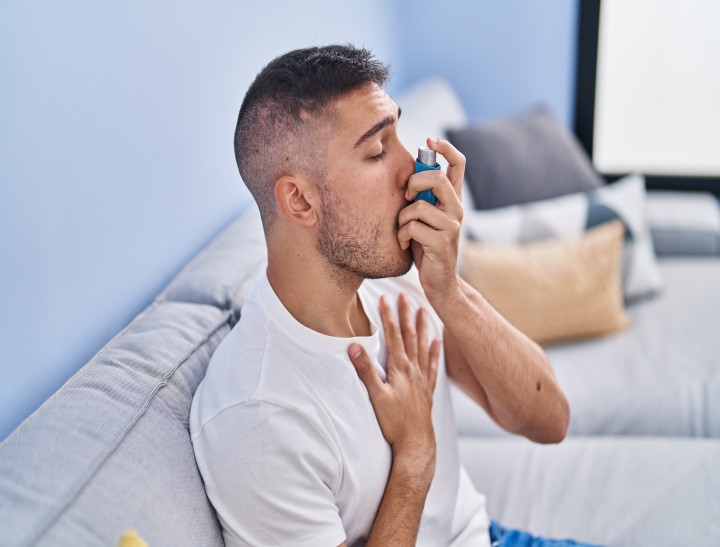
Doctors may prescribe:
- inhalers
- bronchodilator medicines
- steroid-based medications
Some medicines are used daily for long-term COPD management, while others provide quick relief during sudden breathing difficulty.
Following treatment regularly is important because stopping medicines suddenly may worsen symptoms.
9. Regular Pulmonologist Follow-Up Matters
Many patients only seek treatment when symptoms become severe. But regular pulmonologist advice helps monitor lung function and adjust treatment early before symptoms worsen.
A pulmonologist advice plan usually includes:
- symptom monitoring
- inhaler guidance
- breathing exercises
- lifestyle changes
This long-term monitoring helps improve disease control.
10. Surgery May Be Needed in Advanced Cases
In severe situations where medicines and supportive treatment are not enough, surgical options may be considered.
However, surgery is usually reserved for advanced cases after proper medical evaluation.
Final Thoughts
COPD is a long-term condition, but with proper care, many people continue to live active and comfortable lives.
The key lies in early diagnosis, lifestyle changes, regular treatment, and consistent COPD management.
Ignoring symptoms like chronic cough or breathlessness may allow the disease to progress silently over time.
At the same time, following proper pulmonologist advice, avoiding smoking, and protecting overall lung health can make a significant difference in symptom control and daily quality of life.
And in many cases, small lifestyle changes made early help prevent much bigger breathing problems later.
FAQs
1. Is COPD completely curable?
No, chronic obstructive pulmonary disease is a long-term lung condition and cannot be completely cured. But proper COPD management can help control symptoms, slow disease progression, and improve daily breathing comfort.
2. Can a non-smoker develop COPD?
Yes. Although smoking is one of the biggest causes, non-smokers can also develop COPD because of pollution, passive smoking, dust exposure, repeated lung infections, or workplace chemical exposure.
3. What are the early signs of COPD?
Early symptoms may include:
- long-term cough
- mucus production
- breathlessness during walking
- wheezing
- chest tightness
Many people ignore these signs in the beginning thinking it is normal tiredness or ageing.
4. Can exercise help COPD patients?
Yes. Simple activities like walking and breathing exercises may help improve stamina and support better lung health when done under proper medical guidance. Regular movement is often an important part of COPD management.
5. When should I consult a pulmonologist for breathing problems?
You should seek pulmonologist advice if you experience:
- repeated breathlessness
- chronic cough
- wheezing
- frequent chest infections
- difficulty doing normal daily activities because of breathing issues
Early treatment often helps control symptoms more effectively.