Glaucoma is an eye condition that damages the optic nerve. The optic nerve carries visual signals from the eye to the brain. If this nerve becomes damaged, vision slowly starts getting affected.
In many cases, the damage happens because of increased eye pressure inside the eye. The fluid inside the eye normally drains continuously. But when this drainage slows down or gets blocked, pressure begins building gradually. The higher the pressure remains over time, the more strain it places on the optic nerve.
Without proper glaucoma treatment, this damage may continue slowly and eventually lead to permanent vision loss.
Why glaucoma is called the “silent thief of sight”
One of the biggest challenges with glaucoma is that early symptoms are usually absent. This is why many people only discover glaucoma during a routine eye examination.
As the condition progresses, side vision or peripheral vision usually gets affected first. Some people begin noticing patchy blind spots or tunnel-like vision later.
In more severe or sudden forms of glaucoma, symptoms may appear more aggressively, including:
- severe eye pain
- headache
- nausea or vomiting
- blurred vision
- redness in the eye
These symptoms require urgent medical attention.
Who is more likely to develop glaucoma?
Glaucoma can affect anyone, but certain people carry a higher risk. The chances become higher if:
- there is family history of glaucoma
- age is above 40 or 50
- diabetes or high blood pressure is present
- long-term steroid medicines are used
- there is previous eye injury
This is why, it's clearly important to take regular ophthalmology care, especially for people with family history or other risk factors.
In most of the cases of glaucome, patients feel perfectly normal during the early stage of it, which makes routine screening even more valuable.
How glaucoma is detected
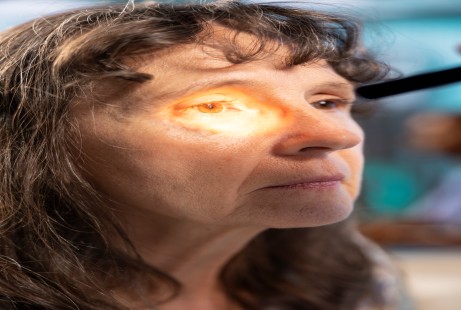
Glaucoma cannot usually be diagnosed through symptoms alone. A complete eye examination is needed. During the check-up, the eye specialist examines:
- the optic nerve
- peripheral vision
- internal eye pressure
- overall eye health
Several tests may be used depending on the patient’s condition.
Eye pressure testing
One of the most common glaucoma tests checks the internal eye pressure. This may be done using:
- air puff testing
- contact-based pressure measurement after numbing drops
- digital tonometry devices
These tests are generally quick, safe, and comfortable. Higher eye pressure does not always confirm glaucoma, but it becomes an important warning sign that needs further evaluation.
Optic nerve imaging and OCT scan
Doctors may also perform OCT scans. This is a computer-based imaging test that creates detailed pictures of the retina and optic nerve layers.
The scan helps detect very early nerve damage, sometimes even before noticeable vision loss begins. This is one reason why modern ophthalmology care helps diagnose glaucoma much earlier than before.
Visual field testing
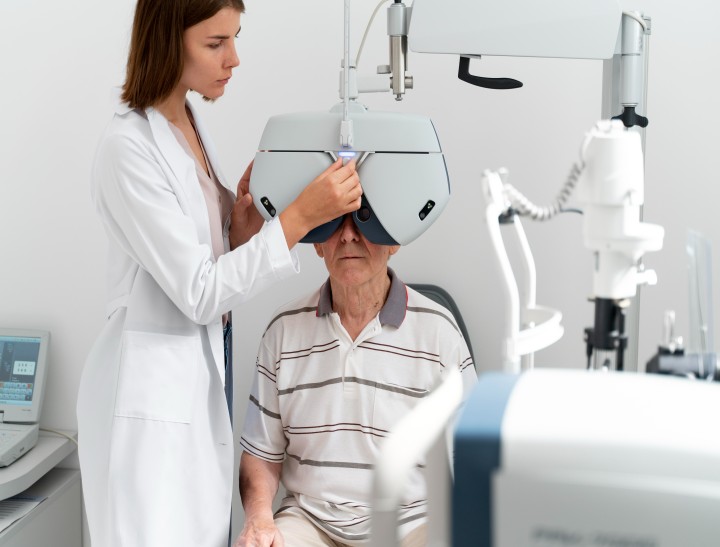
A visual field test checks side vision or peripheral vision. The patient looks into a machine and responds to light signals appearing in different areas. This testing helps doctors to identify blind spots or any vision loss patterns caused by glaucoma. Because glaucoma often affects side vision first.
Can glaucoma be treated?
Yes. Proper glaucoma treatment can definitely help slow down or control the damage further. But there is one important thing patients should understand very clearly:
Vision already lost from glaucoma cannot be restored (except some exception).
That is why early diagnosis matters so much.
The whole goal of the treatment is to protect the remaining vision and reduce further optic nerve damage.
Eye drops are usually the first treatment option
For many patients, prescription eye drops become the first step in glaucoma treatment. These drops work by:
- improving fluid drainage from the eye
- reducing fluid production inside the eye
- lowering internal eye pressure
Many people require long-term use of these drops. And honestly, consistency matters a lot here. Missing treatment repeatedly may allow pressure to rise again.
Oral medicines may also be used
Sometimes eye drops alone are not enough. In such situations, doctors may prescribe oral medicines to help reduce eye pressure further. This depends on how advanced the glaucoma is and how the eye responds to treatment.
Laser treatment and glaucoma surgery
If medicines do not control the pressure properly, additional procedures may be suggested. Laser treatment helps improve fluid drainage inside the eye. Some patients may require drainage implants or filtering surgeries to reduce pressure more effectively.
Modern minimally invasive glaucoma procedures are also available today in selected cases. These approaches often involve smaller recovery time and fewer complications compared to older surgical techniques. The choice depends on:
- glaucoma severity
- optic nerve condition
- pressure levels
- overall eye health
An experienced eye specialist decides which option is safest and most effective.
Why regular follow-up matters
Glaucoma treatment is usually long-term. Many patients stop medicines once symptoms feel controlled, but glaucoma often progresses silently. That is why regular follow-up visits remain extremely important. During follow-up, the doctor monitors:
- optic nerve health
- pressure control
- vision stability
This ongoing ophthalmology care helps detect progression early and adjust treatment when needed.
Final thoughts
Glaucoma is dangerous mainly because it develops quietly. A person may continue daily life normally while slow damage continues inside the eye without obvious warning signs. That is why regular eye examinations should never be ignored, especially after the age of 40 or when there is family history of eye disease.
Proper glaucoma treatment, regular pressure monitoring, and timely ophthalmology care can help protect vision for many years. Because when it comes to glaucoma, early detection often makes the biggest difference.
FAQs
1. Can glaucoma cause complete blindness?
Yes, if glaucoma is not treated on time, it can slowly lead to permanent vision loss and even blindness. The damage usually happens gradually, which is why regular eye check-ups are very important.
2. Is glaucoma always caused by high eye pressure?
Not always. Increased eye pressure is one of the biggest risk factors, but some people may still develop glaucoma even with normal eye pressure levels. That is why complete eye examination matters.
3. At what age should I start getting checked for glaucoma?
Doctors usually recommend regular eye examinations after the age of 40, especially if there is family history of glaucoma, diabetes, or high blood pressure.
4. Can glaucoma symptoms appear suddenly?
Most glaucoma cases develop slowly without early symptoms. But certain types can cause sudden symptoms like severe eye pain, redness, blurred vision, headache, nausea, or vomiting. These signs need urgent medical attention.
5. Will glaucoma treatment improve vision that is already lost?
Usually no. Vision already damaged by glaucoma cannot normally be restored. The main goal of glaucoma treatment is to protect the remaining vision and slow further optic nerve damage.
6. Do I need to use glaucoma eye drops for life?
Many patients need long-term or lifelong eye drops to keep eye pressure controlled. Stopping medicines without medical advice may increase pressure again and worsen optic nerve damage.
7. Is glaucoma surgery always necessary?
No. Many patients manage glaucoma with eye drops and regular monitoring alone. Surgery or laser treatment is usually considered when medicines are not controlling eye pressure properly.