Healthy skin does much more than simply improve appearance.
It protects the body from infections, controls temperature, and helps prevent harmful substances from entering the body. When skin health becomes weak or irritated, different symptoms begin to appear.
This is why basic habits matter more than people realise.
Good hydration, balanced nutrition, proper sleep, and gentle skin care routines often help the skin function better and recover faster. Harsh products, stress, pollution, and unhealthy habits usually make existing skin problems worse.
And while some skin conditions are temporary, others like psoriasis symptoms and eczema may continue for years if not managed properly.
Common skin disorders people often deal with
There are many different types of skin problems, but some conditions are seen much more commonly in dermatology clinics.
Acne
Acne is one of the most common skin conditions across all age groups.
It develops when hair follicles become blocked with oil and dead skin cells, leading to pimples, blackheads, or whiteheads.
Eczema
Eczema, also called atopic dermatitis, causes dry, itchy, red, and inflamed skin.
Many people experience flare-ups during weather changes, stress, or exposure to irritants. Proper eczema treatment often focuses on controlling inflammation and protecting the skin barrier.
Psoriasis
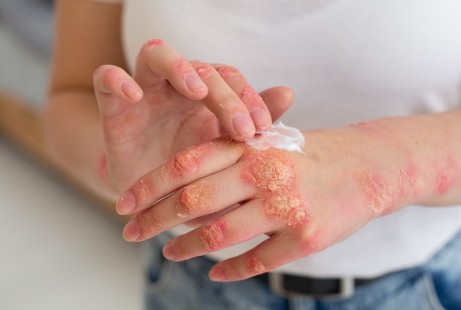
Psoriasis is an autoimmune skin condition where skin cells multiply much faster than normal.
This leads to thick, scaly, dry patches on the skin that may itch or crack.
Some patients notice symptoms mainly on the elbows, knees, scalp, or lower back. These visible psoriasis symptoms may come and go in cycles.
Cold sores
Cold sores are caused by viral infection and usually appear around the lips. They often begin with burning or tingling before blisters form.
Hives
Hives appear as itchy, raised patches on the skin and are commonly linked to allergic reactions.
Warts
Warts are small raised growths caused by viral infection and commonly appear on the hands, feet, knees, or face.
Rosacea
Rosacea usually affects the face and causes redness, visible blood vessels, and sometimes acne-like bumps.
Sunburn and pigmentation
Excessive sun exposure may lead to redness, irritation, pigmentation, and uneven skin tone over time.
Athlete’s foot
This fungal infection commonly affects the area between the toes and may cause itching, burning, or cracked skin.
Dandruff
Dandruff affects the scalp and causes white flaky skin along with itching.
Though common, persistent dandruff may sometimes need medical attention if it becomes severe.
What causes skin conditions?
Different skin conditions develop for different reasons.
Some are linked to genetics, while others are triggered by environmental or lifestyle factors.
Genetics
Conditions like psoriasis and eczema often run in families.
People with family history may naturally have more sensitive skin or immune-related skin issues.
Allergic reactions
Certain foods, chemicals, cosmetics, fabrics, or environmental allergens may trigger skin irritation and rashes.
This is commonly seen in eczema and urticaria cases.
Infections
Bacterial, fungal, and viral infections may lead to conditions like athlete’s foot, warts, and cold sores.
Lifestyle habits
Stress, poor sleep, dehydration, unhealthy food habits, and smoking often worsen skin problems.
Many patients notice flare-ups during emotionally stressful periods as well.
Hormonal changes
Hormonal imbalance can affect oil production in the skin and trigger acne or pigmentation problems.
Medical conditions
Health conditions like diabetes, thyroid disorders, and immune system diseases may also affect skin health in different ways.
Poor hygiene and harsh skin care
Using strong scrubs, harsh products, or ignoring proper skin cleaning can damage the skin barrier and worsen irritation.
Treating skin conditions
The treatment depends on the type and severity of the skin condition.
Some mild conditions improve with proper skin care and lifestyle changes. Others require long-term medical management and proper dermatologist consultation.
Topical medicines
Creams, gels, lotions, and ointments are commonly used in skin disorder treatment.
Doctors may prescribe:
- corticosteroid creams
- antifungal creams
- antibiotic ointments
- medicated moisturisers
These help reduce inflammation, itching, redness, and infection.
Topical medicines are commonly used in eczema treatment and for controlling mild psoriasis symptoms.
Oral medicines
In moderate or severe conditions, tablets or capsules may also be needed.
Doctors may prescribe:
- antihistamines
- antibiotics
- antifungal medicines
- immune-modifying medicines
This depends on the condition and how severe the symptoms are.
Lifestyle changes also matter
Medical treatment works better when daily habits improve too.
Doctors often advise:
- drinking enough water
- improving sleep
- reducing stress
- following balanced food habits
- avoiding smoking and alcohol excess
Healthy routines support faster skin recovery and reduce flare-ups.
Avoiding triggers is important
Many people notice that certain things repeatedly worsen their symptoms.
This may include:
- strong cosmetics
- perfumes
- dust
- harsh weather
- certain foods
- stress
Understanding triggers becomes an important part of long-term eczema treatment and psoriasis management.
Professional dermatology treatments
For stubborn or severe skin conditions, dermatologists may recommend advanced treatments such as:
- laser therapy
- phototherapy
- chemical peels
- specialised procedures for pigmentation or scarring
These treatments are usually planned after proper dermatologist consultation and skin evaluation.
Over-the-counter products
Some mild conditions improve with pharmacy-based products like:
- antifungal creams
- medicated shampoos
- anti-itch creams
But if symptoms continue for a long time or worsen repeatedly, self-treatment alone is usually not enough.
Wrapping up
Minor skin problems are extremely common, and most people experience some form of skin irritation or infection at some point.
But when symptoms continue for long periods, become painful, spread rapidly, or keep returning, proper skin disorder treatment becomes important.
Conditions like eczema and psoriasis are not simply cosmetic issues. They can affect sleep, confidence, comfort, and daily life if not managed properly.
The good thing is that early care, proper dermatologist consultation, and suitable treatment plans often help control symptoms effectively and improve long-term skin health.
FAQs
1. Is psoriasis contagious?
No. Psoriasis is not an infection and it does not spread from one person to another through touch or contact. It is an immune-related skin condition.
2. Can eczema go away permanently?
Eczema may improve for long periods in some people, but flare-ups can still happen again because of triggers like stress, weather changes, allergies, or skin irritation. Proper eczema treatment helps control symptoms better.
3. When should I consult a dermatologist for skin problems?
You should seek dermatologist consultation if:
- itching becomes severe
- rashes keep returning
- skin starts cracking or bleeding
- over-the-counter creams stop helping
- symptoms spread rapidly
Early treatment often prevents worsening of skin conditions.
4. Can stress make skin conditions worse?
Yes. Stress can worsen many skin problems including eczema, acne, hives, and psoriasis symptoms. Many people notice flare-ups during emotionally stressful periods.
5. Are home remedies enough for skin disorder treatment?
Mild skin irritation may improve with basic care and moisturising. But long-term or recurring skin conditions usually need proper medical evaluation and professional skin disorder treatment.
6. Why does psoriasis keep coming back?
Psoriasis is a chronic condition linked to the immune system. Symptoms often improve and worsen in cycles depending on triggers, stress levels, infections, weather, and overall health.
7. Can unhealthy food habits affect skin health?
Yes. Poor hydration, excess processed food, high sugar intake, and nutritional imbalance may worsen inflammation and affect overall skin health in many people.