A woman’s health journey changes with time. Teenage years bring hormonal shifts. The twenties and thirties often bring questions about fertility or pregnancy. Later years bring new changes like irregular cycles or menopause. Each phase needs a different kind of attention. That is where Obstetrics and Gynaecology becomes more than just a department in a hospital. It becomes continuous support through every stage of life.
Good care is not only about treatment. It is about timely guidance, routine screening, safe maternity services, and long-term follow-up.
It starts with regular women’s health checkups
Many women ignore small symptoms because they feel manageable. Irregular periods, mild pelvic pain, unusual discharge, or fatigue often get dismissed. But a routine women’s health checkup helps identify these changes early.
During a checkup, doctors review menstrual history, discuss hormonal symptoms, and recommend age-appropriate screenings. Cervical screening, breast evaluation, thyroid tests, and anemia screening are often advised depending on symptoms and age. These visits create a health baseline. So, if something changes later, it can be addressed quickly and safely.
Preventive care always reduces the chance of bigger complications later.
When pregnancy begins, structured prenatal care protects both lives
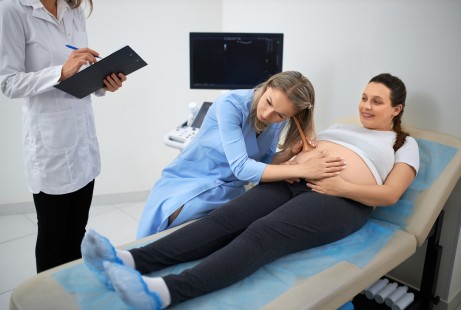
Pregnancy is natural, but it still needs medical supervision. Early prenatal care confirms the pregnancy, calculates due dates, and checks the mother’s overall health. From there, follow-up visits are scheduled at regular intervals to monitor growth and detect any risk factors.
Blood tests, urine tests, and ultrasound scans are not random investigations. They help detect anemia, infections, blood sugar issues, blood pressure problems, and fetal development concerns. When something is detected early, doctors can intervene before it becomes serious.
Prenatal visits also focus on nutrition guidance, weight monitoring, safe exercise advice, and emotional wellbeing. Pregnancy care is not only about the baby’s heartbeat. It is about keeping the mother strong and prepared for delivery.
Delivery planning is a process, not a last-minute decision
A safe delivery does not depend on luck. It depends on preparation. Discussions about birth plans, pain management, and possible complications happen during antenatal visits. If risk factors such as high blood pressure, gestational diabetes, or placenta-related concerns appear, the team plans accordingly.
Choosing the right maternity hospital matters here. Safe obstetric care requires trained specialists, proper fetal monitoring systems, emergency readiness, and neonatal support if required. When a system is prepared, decisions during labour are quicker and safer.
The goal is always a healthy mother and a healthy baby.
Post-delivery care is equally important
Many families think delivery ends the medical journey. In reality, postpartum care is crucial. The body undergoes major changes after childbirth. Bleeding patterns, wound healing, breastfeeding challenges, mood changes, and blood pressure fluctuations need monitoring.
Follow-up visits help assess recovery and emotional wellbeing. Discussions about contraception, spacing between pregnancies, and long-term health also happen during this period. When postpartum care is structured, recovery becomes smoother and future health risks reduce.
Gynaecology care continues beyond pregnancy
Obstetrics focuses on pregnancy, but gynaecology supports women throughout life. Conditions like ovarian cysts PCOS, fibroids, endometriosis, thyroid imbalance, and menopausal symptoms require timely evaluation. Hormonal changes affect mood, metabolism, bone health, and reproductive health.
Regular visits ensure early diagnosis and structured treatment plans. Managing these conditions early improves comfort, fertility outcomes, and overall quality of life.
Women’s health is not a one-time consultation. It is an ongoing partnership between patient and specialist.
Final words
Comprehensive Obstetrics and Gynaecology care means staying connected through every stage — prevention, pregnancy, delivery, recovery, and long-term wellbeing.
When care is systematic and continuous, problems are identified early, pregnancies are monitored safely, and women feel supported at every age. Structured guidance, regular checkups, and timely intervention together create safer journeys and stronger health outcomes.