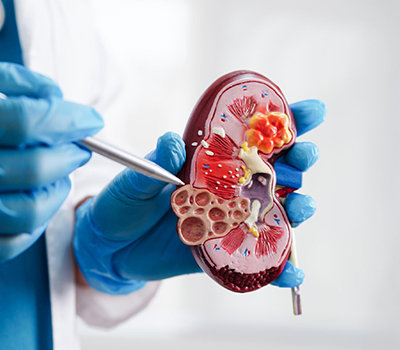
A urologist treats problems related to the urinary system and, in men, the prostate and reproductive organs. These issues are common but not normal, yet many people delay seeking help on time. Urinary symptoms usually feel embarrassing to talk about, or they seem easy to ignore at first. Over time, though, these symptoms and issues can affect comfort, sleep, work, and overall health of one.
Why your doctor (physician) may suggest a urology consultation
The urinary system helps remove waste and balance fluids in the body. When something goes wrong, the body gives signals. These signals are often subtle in the beginning.
You may be advised to see a urologist if you have ongoing urinary problems, repeated infections, kidney-related pain, or prostate symptoms. In many cases, medicines help. When symptoms continue, tests help find the cause so treatment can be more specific.
A urologist considers your symptoms, test results, age, medical history, and how much the problem affects daily life before suggesting a treatment plan.
Conditions commonly treated by a urologist
Urology covers a wide range of conditions. Some affect both men and women, while others are specific to men.
Urinary system conditions
These include problems related to the kidneys, bladder, and urinary tract:
- Repeated urinary tract infections
- Pain or burning during urination
- Blood in the urine
- Difficulty passing urine
- Frequent urination, especially at night
- Kidney stones and related pain
A kidney specialist in Kannur helps identify whether symptoms come from infection, stones, blockage, or other causes.
Prostate-related conditions
Prostate problems are common as men age. Symptoms may develop slowly and are often mistaken for normal ageing.
Common prostate conditions include:
- Enlarged prostate (benign prostatic hyperplasia)
- Difficulty starting or stopping urine flow
- Weak urine stream
- Feeling of incomplete bladder emptying
- Prostate infections
When needed, a urologist discusses prostate treatment options based on symptom severity and test findings.
Other urology concerns
Urologists also manage:
- Male infertility issues
- Erectile dysfunction
- Urinary incontinence
- Congenital urinary tract conditions
- Cancers of the kidney, bladder, or prostate
Not all conditions need surgery. Many improve with medicines and regular follow-up.
When you should visit a urologist
You should consider visiting a urologist if symptoms last more than a few days, keep returning, or interfere with daily activities.
Seek medical advice if you notice:
- Pain while urinating
- Sudden change in urine colour or smell
- Blood in urine, even once
- Severe pain in the lower back or side
- Trouble controlling urine
- Prostate-related symptoms affecting sleep or routine
Early consultation often prevents complications and keeps treatment simpler.
Tests commonly done in urology
Urology tests help confirm the diagnosis and guide treatment. Not everyone needs all tests. Your urologist chooses them based on symptoms.
Common tests include:
Urine and blood tests
These check for infection, kidney function, and other abnormalities.
Ultrasound or scans
Imaging tests help detect stones, blockages, prostate enlargement, or kidney issues.
Uroflowmetry
This measures the speed and strength of urine flow and helps assess bladder and prostate function.
Cystoscopy
In selected cases, a thin camera is used to look inside the bladder. This test provides clear information when symptoms remain unexplained.
Your doctor explains why a test is needed and what information it provides.
Treatment options: medicines or procedures?
Treatment depends on the cause and severity of the problem.
Medical treatment
Many urology conditions respond well to medicines, such as:
- Antibiotics for infections
- Medicines to relax the bladder or prostate
- Pain relief and stone-prevention medication
These treatments often improve symptoms gradually and require follow-up.
Procedures and surgery
When medicines do not help, or when blockage or structural problems are present, procedures may be recommended. These may include:
- Procedures to remove or break kidney stones
- Minimally invasive prostate procedures
- Surgical correction of urinary blockage
Modern urology focuses on minimally invasive techniques whenever possible, which usually means shorter hospital stays and faster recovery.
What to expect during your first urology visit
A urology visit usually begins with a discussion. The doctor asks about symptoms, their duration, and any previous treatment. You may also be asked about fluid intake, medications, and lifestyle habits.
A physical examination may follow. If tests are needed, they are planned based on urgency. Many people start treatment the same day.
After treatment: what recovery looks like
Recovery depends on the condition and the treatment used. Some people feel better within days. Others need time and regular follow-up.
You may receive advice on:
- Fluid intake
- Medicines and how long to take them
- Activity restrictions, if any
- Warning signs that need urgent attention
Regular follow-up visits help ensure that treatment is working and adjusted when needed.
Good questions to ask your urologist
Being informed helps you take part in decisions. You may want to ask:
- Is this condition temporary or long-term?
- Do I need medicines alone, or is a procedure likely to help?
- What changes should I make at home to support recovery?
- How often should I return for follow-up?
- What symptoms should prompt an urgent visit?
A brief reminder
Urinary and prostate problems are common and treatable. Ignoring symptoms often leads to discomfort and complications later. Early evaluation by a urologist in Kannur helps identify the cause and guide proper care.
Most urology conditions improve with timely treatment, steady follow-up, and simple lifestyle changes. Understanding the steps involved makes the process less stressful and helps recovery stay on track.
```