Most liver problems do not begin dramatically. People usually first notice tiredness, loss of appetite, bloating, or abnormal liver reports during a routine check-up. Some improve with medicines, diet changes, alcohol restriction, or proper treatment.
But there are situations where the liver slowly reaches a stage where it can no longer recover properly on its own.
That is when doctors begin discussing something much bigger, a liver transplant. For many patients and families, hearing the word “transplant” immediately creates fear.
People start thinking:
Will the surgery be dangerous?
Will the body accept another person’s organ?
Will life ever feel normal again?
These questions are natural. And understanding the process properly usually reduces fear much more than people expect.
Why liver transplant?
The liver has an amazing ability to repair itself. In early liver disease, lifestyle correction, medicines, and proper treatment often help the liver recover significantly. But when liver damage becomes severe and permanent, the liver slowly stops performing its important functions properly. This stage is commonly called end-stage liver disease. The liver may no longer be able to:
- clean toxins from the blood
- produce important proteins
- support digestion properly
- regulate body metabolism normally
At this point, replacing the damaged liver with a healthy liver becomes the safest long-term option in selected patients. That procedure is called a liver transplant. Doctors may recommend it in conditions such as:
- advanced cirrhosis
- liver failure
- severe fatty liver damage
- hepatitis-related liver failure
- certain liver cancers
- inherited liver disorders
The decision is never taken casually. A transplant is usually considered only after detailed evaluation.
Why can’t my liver get treated by just lifestyle changes or through medication?
This is one of the most common questions patients ask.
And honestly, it is an important question.
In early liver disease, medicines and lifestyle changes can absolutely help. In fact, many liver conditions improve significantly when treated at the right time.
But once large portions of the liver become permanently scarred, the situation changes.
Scarred liver tissue cannot function like healthy liver cells.
At advanced stages, medicines may temporarily control symptoms, but they cannot rebuild severely damaged liver tissue completely.
Doctors usually recognise this stage through:
- blood tests
- scans
- liver function reports
- fluid accumulation
- repeated complications
This is why patients with severe end-stage liver disease may continue becoming weaker even while taking medicines properly.
At that point, the focus shifts from “treating the damaged liver” to replacing it safely.
What happens during the surgery?
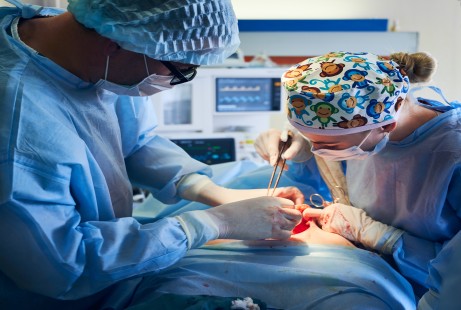
During liver transplant surgery, the diseased liver is carefully removed and replaced with a healthy donor liver.
The surgery is performed under general anesthesia, so the patient remains asleep throughout the procedure.
There are mainly two ways donor livers are used.
One is through a deceased donor transplant, where the liver comes from a brain-dead donor whose family has agreed to organ donation.
The second is a living donor transplant.
In this procedure, a healthy person donates a portion of their liver. The liver is one of the few organs in the body capable of regenerating, so both the donor’s and recipient’s liver tissue can grow back gradually after surgery.
This is why living donor transplant procedures are now commonly performed in suitable cases.
The surgery itself is complex and may take several hours because blood vessels and bile ducts must be connected very carefully.
After surgery, patients are shifted to intensive monitoring for recovery.
Will my body accept the new organ?
This is another major concern patients usually have.
The immune system naturally tries to recognise anything “new” inside the body. Because of this, the body may try to attack the transplanted liver.
To prevent this, patients receive medicines called immunosuppressants.
These medicines help the body accept the transplanted organ safely.
Doctors monitor patients very closely after liver transplant surgery to ensure the liver is functioning properly and adapting well inside the body.
Most patients gradually stabilise with proper monitoring and medicines.
What if I get more sick because of it?
A transplant is a major surgery, so recovery does take time.
Patients may initially feel:
- weakness
- fatigue
- discomfort
- emotional stress
- changes in appetite
There is also a risk of infections after surgery because anti-rejection medicines lower immune system activity.
That is why doctors monitor:
- temperature
- liver function
- wound healing
- infections
- overall recovery very carefully
But the important thing to understand is this:
the transplant is usually being done because the existing liver disease itself has already become life-threatening.
In properly selected patients, a transplant often improves both survival and quality of life significantly.
What if my body starts rejecting it?
Organ rejection is possible, but modern transplant medicine has improved enormously over the years.
Doctors regularly monitor liver function after surgery to detect even early signs of rejection.
If rejection happens, treatment adjustments are usually started quickly.
Many rejection episodes can be controlled successfully when detected early.
This is why regular follow-up after liver transplant surgery becomes extremely important.
Patients cannot stop medicines on their own or skip follow-up visits casually.
Long-term care plays a major role in protecting the transplanted liver.
How post-treatment feels like
Recovery after transplant happens gradually.
Initially, patients may feel physically weak because the body is healing from a major surgery.
Eating habits improve slowly. Walking becomes easier gradually. Energy levels slowly return over weeks and months.
Doctors usually advise:
- regular medicines
- infection precautions
- healthy diet
- hydration
- routine blood tests
- avoiding alcohol completely
The first few months require careful monitoring, but many patients slowly start noticing something important:
they begin feeling healthier than they had felt in years before the transplant.
Symptoms caused by severe liver failure often begin improving significantly once the new liver starts functioning properly.
Will I be able to live a normal life again?
This is usually the question patients emotionally care about the most.
And in many cases, yes — people do return to normal and active lives after a successful liver transplant.
Many patients gradually return to:
- work
- travel
- exercise
- family life
- normal eating routines with proper guidance
Of course, some lifelong discipline remains necessary because transplant medicines and follow-up continue long-term.
But for many people with severe end-stage liver disease, the transplant gives them something they were slowly losing before:
energy, stability, and the ability to live daily life again.
Wrapping up
A liver transplant is not simply a surgery. It is usually considered when the liver reaches a stage where recovery through medicines alone is no longer possible.
The process can feel emotionally overwhelming in the beginning, especially when patients hear terms like liver transplant surgery or living donor transplant for the first time.
But understanding the procedure properly often reduces fear.
Modern transplant care, better medicines, careful monitoring, and advanced surgical techniques have helped many patients recover successfully and return to meaningful daily life again.
And for patients struggling with severe end-stage liver disease, timely treatment can sometimes become life-saving as well as life-changing.
FAQs
1. How long does liver transplant surgery usually take?
A liver transplant surgery can take several hours because surgeons need to carefully remove the damaged liver and connect the new liver’s blood vessels and bile ducts properly.
2. Can a person live normally after a liver transplant?
Yes. Many patients gradually return to work, travel, exercise, and normal daily activities after proper recovery. However, regular medicines and long-term follow-up remain important.
3. What is a living donor transplant?
In a living donor transplant, a healthy person donates a portion of their liver to the patient. The liver has the ability to regenerate, so both the donor’s and recipient’s liver tissue can grow back over time.
4. Will I need medicines for life after a liver transplant?
Most patients need long-term medicines called immunosuppressants to help the body accept the transplanted liver and reduce the risk of rejection.
5. What are the signs that liver disease may be becoming serious?
Symptoms like swelling in the abdomen, jaundice, severe weakness, repeated vomiting, confusion, bleeding problems, or fluid buildup may suggest worsening liver disease and should not be ignored.
6. Can the body reject the transplanted liver?
Yes, rejection is possible because the immune system may try to attack the new organ. But modern medicines and regular monitoring help control rejection in many patients when detected early.
7. When is a liver transplant usually recommended?
Doctors usually consider a liver transplant when severe liver damage or end-stage liver disease reaches a stage where medicines, lifestyle changes, and other treatments are no longer enough to support proper liver function.