Burn injuries are more serious than many people realise. A small burn from hot tea may heal within days. But deeper burns can damage skin, nerves, muscles, blood vessels, and sometimes even deeper tissues inside the body. In severe situations, burns can affect breathing, fluid balance, body temperature control, and increase the risk of dangerous infections. That is why burn injuries are not judged only by how painful they look from outside. Doctors also look at:
- how deep the burn is
- how much skin is affected
- which body part is involved
- what caused the burn
- and how quickly treatment started
Proper burn treatment becomes important early because the first few hours after injury often influence healing, infection risk, and long-term scarring.
When a burn injury is being called serious
Not every burn needs hospital admission. Some minor burns heal with simple dressing and home care. But certain burn injuries are considered serious because they can damage deeper tissues or affect important body functions. A burn becomes more serious when:
- the burn area is large
- the skin turns white, black, or leathery
- blisters spread widely
- the face, hands, feet, chest, or private areas are involved
- breathing difficulty develops after smoke exposure
- the burn is caused by electricity or chemicals
Children and elderly individuals also need more careful monitoring because their skin is more sensitive and fluid loss happens faster. One important thing people should know is this:
pain alone does not decide burn severity.
Some deep burns may actually hurt less because nerve endings become damaged. That is why proper medical evaluation matters even if the person initially feels “manageable.”
How many types of burn injuries
Burns are mainly classified according to how deeply the skin is damaged.
First-degree burns
These are mild burns affecting only the outer skin layer. The skin usually becomes:
- red
- painful
- slightly swollen
Sunburn is a common example. These burns generally heal without permanent scarring if cared for properly.
Second-degree burns
These burns affect deeper skin layers. The skin may develop:
- blisters
- swelling
- severe pain
- wet or shiny appearance
in these type of burns healing takes longer compared to other superficial burns, and infection risk becomes higher if the wound is not protected properly.
addition to that, some second-degree burns may leave pigmentation or scars after healing. And that is normal.
Third-degree burns
These are severe burns involving full-thickness skin damage. The skin may appear:
- white
- charred
- dark brown
- leathery
Because in this type of burn nerve may get damaged, and due to that some areas may not feel painful despite serious tissue injury. Third-degree burns often require advanced burn surgery and long-term wound care.
Burns based on the cause
Burns are also identified according to what caused the injury. This includes:
- flame burns
- scald burns from hot liquids
- electrical burns
- chemical burns
- radiation burns
Electrical burns normally look smaller from the outside but can be serious from the inside like tissue damange underneath the skin.
Chemical burns are also a different kind of burn that require urgent cleaning because chemicals keep damaging skin until completely removed.
Treatment for different kinds of burns
Burn treatment can be completely different each type of burn. And the chnages totally depend on the cause of the burn, depth of the burn and the body area where the burn happen.
Immediate first aid
The first and foremost step after a burn injury is cooling the area with clean running water for several minutes.
This helps reduce heat damage inside the tissues.
Ice should not be applied directly because it may damage already injured skin further.
Tight clothing, rings, or accessories near the burned area should be removed carefully before swelling increases.
Treatment for mild burns
Small first-degree burns and mild superficial burns are usually treated with:
- cooling
- pain relief medicines
- burn creams
- protective dressing
The goal is to reduce pain, prevent infection, and support natural skin healing.
Treatment for deeper burns
Second-degree and third-degree burns often require more advanced medical care.
Doctors may use:
- sterile wound dressings
- fluid replacement
- antibiotics in selected cases
- pain management
- infection monitoring
Large burns may lead to significant fluid loss from the body. In such cases, IV fluids become extremely important during early burn treatment.
Burn surgery and skin grafting
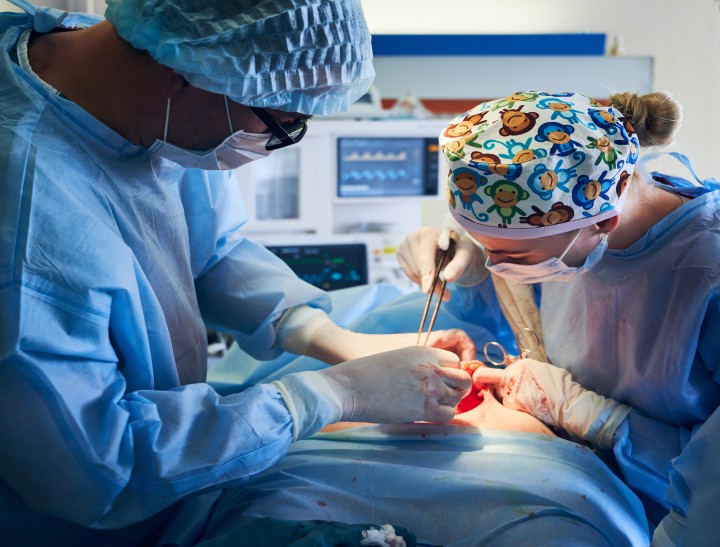
Severe burns sometimes damage skin beyond natural healing ability. This is where burn surgery becomes necessary.
One common procedure is skin grafting.
In this procedure, healthy skin from another body area is placed over the damaged region to help healing and reduce complications.
Patients with severe contractures or deformities after burns may later require reconstructive surgery to improve movement, function, or appearance.
For example:
- neck tightening after burns
- finger contractures
- facial burn reconstruction
- eyelid correction after burns
These procedures help restore both function and confidence.
How to minimize scar after treatment
Scarring depends on:
- burn depth
- infection control
- healing speed
- skin type
- wound care quality
Superficial burns may heal with minimal marks, while deeper burns are more likely to leave scars. But proper scar management can help improve healing significantly.
Proper wound care matters early
Keeping the wound clean and protected reduces infection risk, which directly affects scarring.
Repeated irritation or improper dressing may worsen scar formation.
Moisturising and skin protection
Once the skin starts healing, moisturisers and scar-care products may help reduce dryness and stiffness.
Sun protection also matters because newly healed skin becomes very sensitive to pigmentation changes.
Pressure garments and silicone therapy
For larger burns, doctors may recommend:
- pressure garments
- silicone sheets
- scar gels
These methods help flatten and soften thick scars gradually.
Physiotherapy and movement exercises
Burn scars near joints may tighten the skin and reduce movement.
Regular stretching and physiotherapy help prevent stiffness and maintain flexibility.
Reconstructive surgery for severe scars
Some scars affect:
- movement
- facial expression
- hand function
- eyelid closure
In these situations, reconstructive surgery may help improve both function and appearance. This is an important part of advanced long-term scar management after severe burns.
Wrapping up
Burn injuries can be a small simple burn to a life threatening damage. The severity depends on many factors like, pain, burn depths and which body area got affected.
Different types of burns need different types of emergency care and following correct wound care practices can make a major difference in healing.
Like, for deeper burns, advanced options such as burn surgery, skin grafting, and long-term scar management may help in recovery and quality of life. As we always say, early treatment saves skin and also helps preserve movement, comfort, and long-term confidence after healing.
FAQs
1. What should I do immediately after a burn injury?
The first step is to cool the burned area under clean running water for several minutes. Do not apply ice directly because it may damage the skin further. Remove tight clothing or jewellery near the burn before swelling starts.
2. When should a burn injury be treated in a hospital?
You should seek emergency care if:
- the burn is large
- blisters spread widely
- the skin turns white or black
- the face, chest, hands, or private areas are affected
- breathing difficulty happens after smoke exposure
These signs may indicate a serious burn injury.
3. Can burn scars be reduced after healing?
Yes. Proper scar management can help reduce the appearance and tightness of scars. Doctors may recommend moisturisers, silicone sheets, pressure garments, physiotherapy, or reconstructive surgery in severe cases.
4. Do all burns need surgery?
No. Mild burns often heal with dressings and medicines alone. Burn surgery is usually needed only for deeper burns where skin damage is severe or natural healing becomes difficult.
5. Why are electrical burns considered dangerous?
Electrical burns may look small on the outside but can cause serious tissue damage underneath the skin. That is why medical evaluation becomes important even if the outer burn appears minor.
6. How long does burn healing usually take?
Healing depends on the burn depth and body area involved. Mild burns may heal within days, while deeper burns can take weeks or months and may need long-term wound care.
7. Can burn injuries affect movement later?
Yes. Severe burns near joints may tighten the skin and affect movement during healing. Physiotherapy, stretching exercises, and reconstructive surgery may help improve flexibility and function later.