For many women, the hardest part of breast cancer treatment is not always the surgery itself.
Sometimes, it is what comes after.
A mastectomy removes the breast to treat or prevent cancer spread. Medically, the surgery may be necessary and life-saving. But emotionally, many patients struggle with the physical change that follows. Looking in the mirror feels different. Clothes fit differently. Confidence may quietly change in ways people around them may not fully understand.
This is where breast reconstruction surgery becomes an important conversation.
Not because reconstruction is compulsory. And not because it changes what someone has gone through.
But because some women want the option to restore breast shape after treatment — physically, emotionally, or both.
And today, reconstruction is not approached as “cosmetic correction” alone. Modern oncoplastic surgery focuses on both cancer treatment and body restoration together in a more balanced way.
What exactly is breast reconstruction surgery?
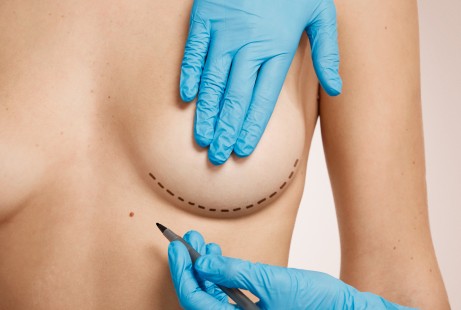
After a mastectomy, the removed breast can sometimes be rebuilt using implants, body tissue, or a combination of both.
That process is called breast reconstruction surgery.
The goal is not to create a “perfect” breast. The goal is usually to restore shape, balance, and comfort after cancer surgery.
Some women choose reconstruction immediately during the same operation as the mastectomy. Others decide months or years later after completing treatment.
Both approaches are completely valid.
The decision depends on:
- cancer stage
- overall health
- ongoing treatment plans
- emotional readiness
- personal comfort
And honestly, many women need time before deciding.
Reconstruction is not the same for everyone
This is important to understand early.
There is no single “best” reconstruction method that suits everyone equally.
Some women prefer implant-based procedures because recovery may feel simpler initially.
Others choose reconstruction using their own body tissue because it may feel more natural long-term.
The surgical team usually discusses:
- body structure
- skin condition
- previous treatments
- radiation history
- personal expectations
before planning reconstruction.
That conversation matters because reconstruction is not only about appearance. Comfort, healing, and long-term results matter equally.
Implant-based reconstruction
This is one of the commonly performed reconstruction methods.
In this procedure, a silicone or saline implant is used to recreate breast shape.
Sometimes the implant is placed immediately after mastectomy. In other situations, a temporary tissue expander is used first to gradually prepare the skin before placing the final implant.
Implant reconstruction generally involves shorter surgery time compared to tissue-flap reconstruction.
But implants may not suit every patient equally, especially if radiation therapy has affected skin quality.
Reconstruction using body tissue
Some patients undergo reconstruction using tissue taken from another part of the body, usually:
This tissue is shaped to recreate the breast naturally.
These procedures are more detailed because they involve both tissue transfer and reconstruction together.
But many women prefer this approach because the reconstructed breast may feel softer and more natural over time.
Modern plastic surgery techniques have improved these procedures significantly in recent years.
What is oncoplastic surgery?
This term confuses many patients initially.
Oncoplastic surgery combines cancer removal with reconstructive planning during the same surgical approach.
Instead of treating cancer surgery and cosmetic restoration as two completely separate things, both are planned together more thoughtfully.
This helps preserve breast shape as much as medically possible while still prioritising cancer treatment safely.
In some patients, only reshaping procedures are needed instead of complete reconstruction.
The approach depends entirely on the tumour size, breast size, and cancer location.
The first few days after surgery
The recovery period after reconstruction varies depending on the type of surgery performed.
Immediately after surgery, patients may notice:
- tightness
- swelling
- heaviness
- soreness around the chest area
Drains may temporarily remain in place to remove excess fluid.
Movement of the shoulders and arms may feel restricted initially, especially after larger procedures.
Doctors usually encourage gradual movement because gentle activity helps improve circulation and healing.
Pain is managed carefully with medicines during the early stage of mastectomy recovery.
Emotional recovery also takes time
This part is often underestimated.
Physical healing is visible. Emotional healing is slower.
Some women feel relieved after reconstruction. Others need time adjusting to the changes.
And honestly, that emotional response is normal.
The reconstructed breast may not look or feel exactly like the natural breast. Sensation may also feel different after surgery.
That is why realistic expectations matter before planning breast reconstruction surgery.
The purpose is restoration and healing — not perfection.
What about scars?
Scars are part of both mastectomy and reconstruction.
Their appearance depends on:
- the type of surgery
- skin healing
- radiation exposure
- individual skin quality
Over time, most scars gradually soften and fade.
Doctors may suggest:
- scar creams
- silicone sheets
- massage techniques
- laser support in selected cases
Modern plastic surgery approaches also try to place incisions carefully to improve cosmetic healing whenever possible.
Will daily life feel normal again?
For most patients, yes — gradually.
Recovery is not only about wound healing. It is about regaining comfort in daily movement, clothing, social confidence, and body acceptance again.
Many women slowly return to:
- work
- travel
- exercise
- regular routines
after proper recovery.
The timeline differs for everyone.
Some people recover physically faster. Others need more emotional adjustment time.
But with proper support, follow-up care, and realistic expectations, many patients eventually feel more comfortable in their body again after treatment.
Wrapping up
A mastectomy changes more than just the body.
And that is why conversations around reconstruction deserve sensitivity, patience, and proper understanding.
Breast reconstruction surgery is not about “fixing” someone after cancer treatment. It is about offering options for physical and emotional restoration after a difficult journey.
Today, advanced plastic surgery and oncoplastic surgery techniques allow doctors to plan reconstruction in safer and more personalised ways than before.
And while every woman’s decision will be different, understanding the options properly often helps the process feel less overwhelming and more manageable during long-term mastectomy recovery.
FAQs
1. Is breast reconstruction surgery compulsory after mastectomy?
No. Breast reconstruction surgery is completely a personal choice. Some women choose reconstruction immediately, some decide later, and some may not want reconstruction at all.
2. Can breast reconstruction be done at the same time as mastectomy?
Yes. In many cases, reconstruction can be planned during the same surgery as the mastectomy. This depends on the cancer stage, overall health, and treatment plan advised by the doctors.
3. Will the reconstructed breast look exactly like before?
Not exactly. The goal of reconstruction is usually to restore shape, balance, and comfort as naturally as possible. But the appearance and sensation may still feel somewhat different after surgery.
4. How long does recovery usually take after reconstruction surgery?
Recovery differs from person to person and also depends on the type of reconstruction performed. Some patients recover within weeks, while more detailed procedures may require longer healing and follow-up care.
5. What is the difference between implant reconstruction and tissue reconstruction?
Implant reconstruction uses silicone or saline implants to recreate breast shape. Tissue reconstruction uses the patient’s own body tissue, usually taken from areas like the abdomen or back.
6. Can scars improve over time after reconstruction?
Yes. Most scars gradually soften and fade over time. Doctors may also recommend scar creams, silicone sheets, massage techniques, or laser support to improve healing.
7. What is oncoplastic surgery?
Oncoplastic surgery combines breast cancer removal and reconstruction planning together in one surgical approach. The aim is to treat cancer safely while preserving breast shape as much as medically possible.