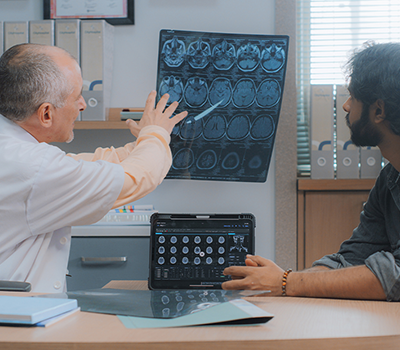
When something feels wrong with the brain or nerves, it can be unsettling. Headaches that don’t go away. Sudden weakness. Tingling in the hands. Memory lapses. Dizziness. Many people feel unsure at first. Is it stress? Is it temporary? Or is it something that needs medical care?
This is where a top neurologist in Kannur plays an important role. Neurologists help understand what is happening in the brain, spinal cord, and nerves—and guide treatment in a clear, steady way.
This guide answers the questions patients often have before seeing a neurologist, explains common symptoms, and outlines how neurological conditions are treated.
When do you really need to see a neurologist?
This is usually the first question. Not every headache or nerve pain needs specialist care. But some symptoms should not be ignored, especially when they repeat or worsen.
You may need to consult a neurologist if you notice:
- Frequent or severe headaches
- Sudden weakness in the face, arms, or legs
- Numbness, tingling, or burning sensations
- Dizziness or balance problems
- Memory loss or confusion
- Seizures or fainting episodes
- Tremors or involuntary movements
These are common nerve disorder symptoms. They can have many causes. A neurologist helps identify whether the issue is temporary or needs focused treatment.
What exactly does a neurologist do?
A neurologist treats conditions related to the brain, nerves, and spinal cord. They focus on how signals travel through the nervous system and what happens when those signals get disrupted.
A brain specialist in Kannur looks at both physical symptoms and how they affect thinking, movement, sensation, and daily function. Treatment often involves careful diagnosis, medication, lifestyle advice, and follow-up—not just procedures.
What problems do neurologists usually treat?
Neurology covers a wide range of conditions. Some develop suddenly, while others progress slowly over time.
Common conditions treated by neurologists include:
- Migraine and chronic headaches
- Stroke and post-stroke care
- Epilepsy and seizure disorders
- Parkinson’s disease and movement disorders
- Neuropathy causing numbness or pain
- Multiple sclerosis
- Memory disorders and dementia
- Back pain related to nerve compression
Many of these conditions benefit from early diagnosis. Timely neurology treatments in Kannur can reduce complications and improve quality of life.
What happens during a neurology consultation?
Most people feel nervous before their first visit. In reality, a neurology consultation is usually calm and detailed.
The doctor spends time listening. You will be asked about symptoms, when they started, how often they occur, and whether anything makes them better or worse. Medical history, medications, sleep, and stress levels also matter.
The neurologist may check:
- Muscle strength and reflexes
- Balance and coordination
- Sensation and nerve response
- Speech and memory
These checks help narrow down the cause before any tests are suggested.
When will you need tests?
Not always. Some conditions can be diagnosed based on symptoms and examination alone. When tests are needed, they are chosen carefully.
Common neurological tests include:
- Blood tests to rule out metabolic causes
- MRI or CT scans of the brain or spine
- EEG to assess seizure activity
- Nerve conduction studies for nerve damage
Your neurologist explains why a test is needed and what information it provides.
Is neurological treatment always long-term?
This depends on the condition. Some problems, like migraines or nerve inflammation, improve with treatment over time. Others, such as Parkinson’s disease or epilepsy, need long-term care.
The goal of treatment is not just symptom control. Neurologists also focus on preventing progression, reducing flare-ups, and helping patients stay independent.
Treatment plans often include:
- Medicines adjusted carefully over time
- Lifestyle and sleep advice
- Physiotherapy or rehabilitation, when needed
- Regular follow-up to track improvement
What if symptoms suddenly get worse?
Certain neurological symptoms need urgent care. Seek immediate medical help if you notice:
- Sudden weakness on one side of the body
- Difficulty speaking or understanding speech
- Sudden vision loss
- Severe headache with vomiting or confusion
- New seizures
Quick action can make a major difference, especially in conditions like stroke.
How do I choose the right neurologist in Kannur?
Choosing a neurologist is about trust, experience, and clear communication. A good neurologist takes time to listen, explains findings in simple terms, and guides you step by step without rushing into unnecessary tests. Long-term follow-up also matters, especially for conditions that need ongoing care.
At Baby Memorial Hospital, neurologists work closely with advanced diagnostic services and other specialties, allowing patients to receive well-coordinated care in one place, with decisions made carefully and thoughtfully.
Our top neurologist in Kannur will:
- Take time to listen
- Explain findings in simple terms
- Avoid rushing into unnecessary tests
- Offer clear guidance on next steps
- Support long-term follow-up when needed
Access to good diagnostic facilities and a multidisciplinary care setup also matter for comprehensive treatment.
What can I expect after starting treatment?
Many neurological conditions improve gradually. Some medicines take time to show effect. Follow-up visits help fine-tune treatment and manage side effects, if any.
You may be advised on:
- Medication timing and consistency
- Activity and rest balance
- Warning signs to watch for
- When to return for review
Open communication with your neurologist helps treatment stay on track.
A gentle reminder
Brain and nerve symptoms can feel frightening, but many are treatable when addressed early. Ignoring signs or waiting too long often makes recovery harder.
Consulting a brain specialist in Kannur helps bring clarity to confusing symptoms and offers a clear path forward. With the right guidance, many neurological conditions can be managed well, allowing people to continue daily life with confidence and support.
Frequently Asked Questions (FAQs)
1. When should I consult a neurologist?
You should consult a neurologist if you have frequent headaches, numbness, weakness, seizures, memory problems, dizziness, or other nerve-related symptoms that persist or worsen over time.
2. What conditions does a neurologist treat?
A neurologist treats disorders of the brain, nerves, and spinal cord. This includes migraines, stroke, epilepsy, Parkinson’s disease, nerve pain, movement disorders, and memory-related conditions.
3. Are neurological problems serious?
Some neurological problems are mild and temporary, while others need long-term care. Early diagnosis helps manage symptoms better and prevents complications in many cases.
4. What tests are commonly done in neurology?
Neurologists may recommend blood tests, MRI or CT scans, EEG, or nerve conduction studies depending on your symptoms. Not all patients need all tests.
5. How long does neurological treatment take?
Treatment duration depends on the condition. Some issues improve within weeks, while others require ongoing management. Regular follow-up helps adjust treatment as needed.