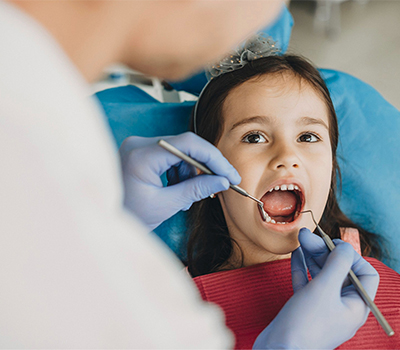
Choosing a pediatric dentist is about cavities that do not wait for adulthood. It is about pain that shows up at night. It is about a child who refuses brushing because it hurts. It is about eating on one side. It is about teeth that come in late, come in crooked, or come in with spots you can’t explain. It is about preventing small problems from turning into emergency visits.
Pediatric dentistry exists because children are not small adults. Their teeth, jaws, behavior, and risk patterns are different. Prevention has to start early and stay structured.
What a pediatric dentist does that a general dentist may not
A pediatric dentist is trained to manage:
- infant oral health and early risk assessment
- behavior guidance for anxious or uncooperative children
- growth and development monitoring (jaw, bite, tooth eruption patterns)
- preventive programs tailored to age and risk
- dental trauma in children
- care for children with special healthcare needs
A “best dentist” for a child is often the one who can deliver prevention and treatment without creating fear and without missing growth-related issues.
Milestones that changed children’s dental outcomes
1) Fluoride changed the baseline risk of decay
Community water fluoridation and topical fluoride became major public health interventions because they reduce caries risk at the population level. Fluoride is now a core prevention tool in children’s dentistry when used in age-appropriate amounts.
2) Sealants turned deep grooves into protectable surfaces
Pit-and-fissure sealants protect the chewing surfaces of molars, which are high-risk sites for decay in children. Modern preventive dentistry uses sealants strategically based on risk and eruption timing.
3) Early, scheduled preventive visits became the standard recommendation
Professional bodies recommend establishing a dental home early in life—often by the first birthday—because early visits allow risk assessment, guidance, and prevention before cavities start.
When your child should see a pediatric dentist
First visit
A strong standard is: first dental visit by age 1 or within 6 months of the first tooth.
Visit sooner if you notice:
- visible spots, pits, or brown lines on teeth
- tooth pain, sensitivity, or chewing avoidance
- bleeding gums or persistent bad breath
- trauma (tooth hit, chipped tooth, tooth pushed in/out)
- delayed eruption or unusual spacing
- mouth breathing, snoring, or thumb-sucking beyond early years
Prevention that actually prevents cavities
Prevention is not one lecture about sugar. It is a system.
1) Brushing and fluoride (age-specific)
For young children, the fluoride amount matters. Too little fails to protect. Too much increases fluorosis risk.
A common standard: smear/rice-sized fluoride toothpaste for children under 3, and pea-sized for ages 3–6, with supervised brushing.
2) Diet timing matters more than “never sugar”
Frequency and stickiness matter. Sipping sweet drinks over time is worse than a single exposure because it prolongs acid attacks.
3) Sealants at the right time
First permanent molars erupt around 6 years. That is when grooves become high risk. Sealants are most effective when placed early on susceptible surfaces.
4) Regular risk-based checkups
The interval is not the same for every child. High-risk children need closer monitoring, fluoride varnish, and reinforcement. Low-risk children still need surveillance during eruption phases.
Common pediatric dental treatments (and why they’re done)
- Fillings: For small to moderate cavities.
- Pulp therapy (baby tooth “root canal”) (Pulpectomy): Done when decay reaches the nerve. The goal is to keep the tooth until it is naturally replaced, maintaining space for permanent teeth.
- Crowns (often stainless steel crowns in baby molars): Used when decay is extensive and a filling won’t last. This is often a durability decision.
- Space maintainers: Used when a baby tooth is lost early. The goal is preventing crowding and eruption problems later.
- Orthodontic screening and early interceptive care: Not every child needs early braces, but many benefit from early identification of crossbites, severe crowding, or growth issues.
Dental anxiety: why pediatric dentists handle it differently
A child’s first few dental experiences set a pattern. A pediatric dentist typically uses:
- tell-show-do methods
- shorter visits with small wins
- desensitization strategies
- nitrous oxide sedation when appropriate
- referral pathways for deeper sedation when necessary and safe
The goal is not only treatment. The goal is a child who will accept care later without fear.
How to choose the best dentist for your child
When parents search “best dentist,” they often get marketing. Use practical filters instead.
Signs you are in the right place
- the dentist talks prevention and risk, not only fillings
- they examine eruption and bite, not only the painful tooth
- they show you exactly where decay is and why
- they give clear home instructions that you can execute
- the child is treated with calm structure, not force
- there is a plan for follow-up and maintenance
Red flags
- no discussion of fluoride, diet frequency, or sealants
- treatment plans that ignore behavior and fear
- repeated “temporary” fixes without addressing the cause
- dismissing early decay as “just milk teeth” (early decay predicts future risk)
Conclusion
Pediatric dentistry works when it stays early and structured: establish a dental home by age 1, assess risk before cavities start, use fluoride correctly, protect molars with sealants, and treat decay in a way that preserves function and prevents fear. The goal is not perfect teeth at age six. The goal is a child who grows up with fewer cavities, less dental anxiety, and a predictable path to lifelong oral health.
FAQs
1) Why should my child see a pediatric dentist instead of a regular “best dentist”?
Because children are not small adults in dentistry. A pediatric dentist is trained to assess early risk, manage behavior and fear, monitor jaw and eruption patterns, and deliver prevention in a child-friendly way that reduces trauma and improves long-term cooperation. The “best dentist” for a child is often the one who can treat and prevent problems without creating anxiety that lasts for years.
2) When should a child have their first dental visit, and what is the point if there are no cavities yet?
The first dental visit is ideally by age one or within six months of the first tooth, because prevention is most effective before decay starts. Early visits help identify feeding and brushing risks, teach parents how to use fluoride safely, check eruption patterns, and set a baseline so future problems are caught early rather than becoming emergency pain visits.
3) How can parents tell if a child’s tooth problem is urgent?
Night-time pain, chewing on one side, facial swelling, fever, or a child refusing brushing because it hurts should be treated as urgent rather than “wait and watch.” Visible brown lines, pits, or white spots that are spreading are also early warning signs. In children, small cavities can progress faster, so early evaluation prevents deeper infection and more invasive treatment.
4) If baby teeth will fall out anyway, why treat cavities aggressively?
Because baby teeth hold space for permanent teeth and allow normal eating, speech, and jaw development. Untreated decay can cause pain, infection, early tooth loss, and crowding later, and it also predicts higher risk of cavities in permanent teeth. Treating decay early is less traumatic and often simpler than waiting for the problem to reach the nerve.