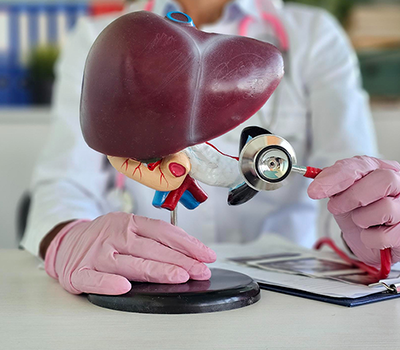
A liver transplant is not a decision anyone prepares for. It often comes after months or years of illness, hospital visits, and difficult conversations. For patients and families, it brings hope but also fear, confusion, and many unanswered questions. What will happen to the body? How risky is it? How much will it cost? What will life look like after surgery?
Here is a clear and honest guide to help you understand what to expect and how to prepare, step by step.
When is a liver transplant needed?
The liver performs vital functions—filtering toxins, producing proteins, and helping digestion. When it fails, the body cannot compensate for long.
A liver transplant is usually advised when liver failure treatment options no longer work and the damage becomes irreversible.
Common reasons include:
- Chronic liver disease and cirrhosis
- Acute liver failure
- Genetic liver disorders
- Liver damage due to infections or long-term alcohol use
- Certain liver cancers
At this stage, medicines can only manage symptoms. Replacing the liver becomes the only option for survival.
How does it feel to face a liver transplant?
Most patients experience a mix of relief and fear. Relief that there is a solution, and fear about surgery, recovery, and uncertainty.
Physically, liver failure often causes weakness, fatigue, breathlessness, poor appetite, swelling, confusion, and frequent infections. Emotionally, anxiety and stress are common for both patients and caregivers.
These feelings are normal. A good transplant team focuses not only on surgery, but also on emotional and psychological support before and after the procedure.
What happens before the transplant?
Before a transplant, patients undergo a detailed evaluation to ensure surgery is safe and likely to succeed.
This process usually includes:
- Blood tests and imaging scans
- Heart and lung evaluation
- Nutritional assessment
- Infection screening
- Psychological counselling
- Consultation with a transplant specialist and hepatology team
This phase also involves identifying a suitable donor—either a living donor or a deceased donor—depending on urgency and availability.
How is the liver transplant procedure done?
A liver transplant is a major surgery performed under general anaesthesia and usually takes several hours.
During the procedure:
- The damaged liver is carefully removed
- The healthy donor liver is placed in position
- Blood vessels and bile ducts are connected
- Blood flow is restored and liver function begins
After surgery, the patient is moved to the intensive care unit for close monitoring. Breathing and circulation are supported until the body stabilises.
Although complex, liver transplant surgery today follows established protocols with experienced teams and advanced technology.
What are the risks involved?
Like all major surgeries, a liver transplant carries risks. Understanding them helps families stay prepared without unnecessary fear.
Possible risks include:
- Bleeding or infection
- Rejection of the transplanted liver
- Bile duct complications
- Blood clots
- Side effects from anti-rejection medicines
Doctors monitor patients closely so that complications are detected and treated early. Most risks are manageable with timely care.
What challenges do patients face after surgery?
The first few weeks focus on recovery. Patients may feel tired, weak, and emotionally drained. Appetite and sleep patterns improve gradually.
A major adjustment is lifelong medication. Anti-rejection medicines must be taken exactly as prescribed. Skipping doses can be dangerous.
Regular follow-ups, blood tests, and lifestyle changes become part of everyday life. While overwhelming at first, most patients adapt with time and support.
What does post-transplant life look like?
For many patients, life after a liver transplant is significantly better than before. Energy returns, appetite improves, and mental clarity comes back.
Many patients resume work, travel, and family life.
Post-transplant care focuses on:
- Taking medicines on time
- Preventing infections
- Eating a balanced diet
- Avoiding alcohol completely
- Staying active with gentle exercise
- Attending regular follow-up visits
With consistent hepatology care, many patients live long and fulfilling lives after transplant.
How much does a liver transplant cost?
Cost is a major concern for most families. The total expense depends on several factors:
- Type of transplant (living or deceased donor)
- Length of hospital and ICU stay
- Complications, if any
- Medicines and follow-up tests
Costs usually include surgery, hospitalisation, donor and recipient care, medicines, and post-operative monitoring. Some expenses continue long-term due to lifelong medication.
Most hospitals offer financial counselling to help families plan and understand costs clearly in advance.
How can families support recovery?
Family support is essential for recovery and long-term success.
Caregivers can help by:
- Managing medication schedules
- Encouraging healthy meals
- Watching for warning signs like fever or swelling
- Providing emotional reassurance
Caregivers also need rest and emotional support. Transplant recovery is a shared journey.
Final words
A liver transplant is not an easy path, but it is often a life-saving one. Fear, doubt, and exhaustion are part of the process—but so are recovery, strength, and renewed life.
With the right transplant specialist, timely treatment, and consistent follow-up, many patients move beyond survival to stability and confidence. Knowing what lies ahead helps reduce fear and allows families to face the journey with clarity and hope.