Getting diagnosed with a brain tumor is not something you prepare for. It usually starts with confusion more than fear. You go in for symptoms that don’t feel serious enough…
and then suddenly, reports say something else.
At that point, everything moves fast. Scans, consultations, second opinions, and then somewhere in that conversation, brain tumor surgery comes up. And that’s the moment most people feel stuck.
Diagnosis doesn’t happen in one step (and that’s intentional)
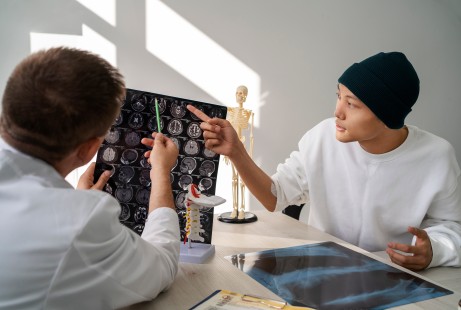
People expect a clear answer quickly. But brain tumor diagnosis doesn’t work like that. First, there’s imaging, usually MRI. That shows something is there. But what exactly it is… that takes more understanding.
Doctors look at:
- size
- location
- type (or suspected type)
Sometimes even after scans, they don’t rush into conclusions.
In places offering proper brain tumor diagnosis Kozhikode, the idea is to not hurry the decision.
Because treatment depends heavily on these details.
Not every tumor leads directly to surgery
This part surprises many people. You hear “tumor” and think surgery is immediate. But that’s not always the case. Some tumors are slow-growing. Some don’t cause symptoms right away. So doctors may monitor first. But when the tumor:
- starts affecting brain function
- causes pressure
- or shows signs of growth
then surgery becomes necessary.
What brain tumor surgery actually tries to do
People often think surgery means “remove everything.” That’s not always possible. And sometimes, not even safe. The goal is:
- remove as much tumor as possible
- protect normal brain tissue
- reduce pressure
That balance is very important. Especially in cases like glioma surgery Kerala, where tumors can mix with surrounding brain tissue. You can’t just remove aggressively. You have to be careful.
The surgery itself; not as chaotic as it sounds
From outside, it feels like a big, unpredictable process. But inside the operation theatre, it’s very controlled. Planned in detail. The surgeon uses imaging guidance to locate the tumor precisely. In many cases, procedures like craniotomy are used, opening a part of the skull to access the brain. In selected cases, techniques like endoscopic neurosurgery BMH are used. Smaller openings. Camera guidance. But again, not for every patient.
The first few days after surgery feel strange
Not painful in the way people expect… but unfamiliar. You wake up and things don’t feel fully clear. There may be:
- headache
- confusion
- fatigue
Sometimes even temporary difficulty in speech or movement. This depends on where the surgery was done. Doctors monitor closely. This phase is less about “recovery” and more about “stabilising.”
Recovery doesn’t move in a straight line
This is important to understand. Patients expect steady improvement. But that’s not how it works. One day feels better. Next day feels slower again. That’s normal. Healing in the brain takes time. Sometimes therapy is needed, not always, but often:
- physiotherapy
- speech therapy
- cognitive support
Progress may feel slow. But it’s still progress.
Life after surgery, different, but not stopped
This is what patients worry about the most. “Will I be normal again?” In many cases, yes, but not immediately. There are adjustments. Regular follow-ups. Monitoring. Lifestyle changes. But over time, routine comes back. Maybe not exactly the same as before… but manageable.
Risks; better understood than feared
It’s important to be clear here. Brain surgery does carry risks. There can be:
- infection
- swelling
- bleeding
- functional changes
But here’s what matters the most is, these risks are evaluated before surgery is recommended. Doctors don’t go ahead unless the expected benefit is higher. So it’s not a blind decision.
One thing patients realise later
Before surgery, everything feels uncertain. Too many questions. Too many possibilities. But after going through it, many patients say something similar like, the waiting was harder than the process itself. Because once things start, there is a plan. And that plan helps.
Final thought
Brain tumor surgery is not just a procedure. It’s a process. Diagnosis… decision… surgery… recovery. Each step takes time. And none of it feels easy in the moment. But with the right care, proper planning, and realistic expectations, patients do move forward. Not suddenly. But gradually. And sometimes, that’s enough.