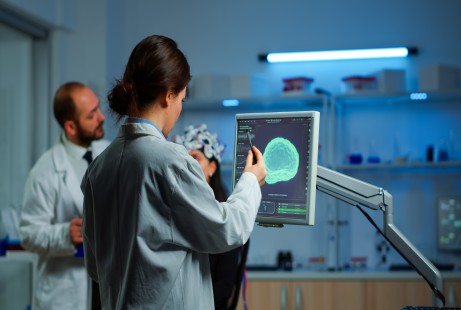
The moment someone hears “brain surgery”… everything changes. Even if you were expecting some kind of treatment, this feels different. It sounds serious. It sounds risky.
And honestly, it brings a lot of fear. People start imagining the worst. But here’s the thing, not every brain surgery is the same. And not every case is as complicated as it sounds. Understanding it properly helps reduce that fear a little.
Why brain surgery is even needed
Doctors don’t suggest brain surgery casually. It usually comes after tests, scans, and careful evaluation. There has to be a clear reason. Sometimes it’s a tumor. Sometimes it’s bleeding in the brain. Sometimes it’s pressure building up inside. In cases like brain tumor surgery India, the goal is to remove or reduce the tumor so it doesn’t affect normal brain function. It’s not always about complete removal.
Sometimes it’s about control.
Types of brain surgery (not all are the same)
People often think there is just one kind of brain surgery. But there are different approaches. One of the most common is called a craniotomy. In simple terms, a small part of the skull is opened so the surgeon can access the brain. This sounds intense… and it is. But it’s also a standard and well-practised procedure. There are also less invasive techniques used in certain cases. The choice depends on the condition, its location, and how complex it is.
What happens during the procedure
From the patient’s side, you won’t feel anything during surgery. You are under anesthesia. The surgical team works with precision, using advanced tools and imaging guidance. The brain is delicate, so every step is planned carefully. Even though the word “surgery” sounds overwhelming, these procedures follow a very structured and controlled process.
Risks; let’s talk about them honestly
This is the part people worry about the most. And it’s better to talk about it clearly. Yes, there are risks. With any brain surgery, possible risks may include:
- infection
- bleeding
- swelling in the brain
- temporary or permanent changes in function
The exact risk depends on where the surgery is happening in the brain. That’s why doctors explain everything in detail before proceeding. In cases like craniotomy Kerala risks and recovery, the focus is always on balancing benefit and safety.
The first few days after surgery
Recovery doesn’t feel normal immediately. You may feel:
- confusion
- tiredness
- headaches
- weakness
Doctors monitor you closely during this phase. They check how the brain is responding and make sure there are no complications. It can feel overwhelming… but this is expected.
Recovery takes time (and patience)
This is not a quick recovery process. Some people recover faster. Others take longer. It depends on:
- the type of surgery
- the area of the brain involved
- overall health
You may need:
- rest
- medicines
- sometimes rehabilitation or therapy
Progress may feel slow. But even small improvements matter.
Life after brain surgery
This is what most patients think about. “What will life look like after this?” In many cases, people return to their routine gradually. Some may need time to regain strength or adjust to changes. Follow-ups become important. Regular monitoring helps ensure everything is healing properly. And over time, life starts feeling more stable again.
Choosing the right specialist matters
This is not a decision to rush. Experience matters a lot in this field. Consulting a skilled neurosurgeon BMH or a trusted expert gives clarity and confidence. Because the decision itself is as important as the surgery.
Final thought
Brain surgery sounds complicated. And yes, it is a serious procedure. But it’s also a carefully planned step taken when needed. It’s not the first option - it’s usually the most appropriate one when other treatments are not enough. Understanding the process, knowing the risks, and preparing for recovery makes the journey less uncertain. Because sometimes, what feels most frightening at first… is actually the step that helps move forward.