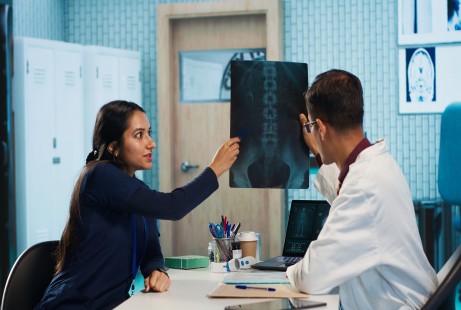
Back pain is confusing. Not because it’s rare, but because almost everyone has it at some point. Some days it’s just stiffness. Some days it’s sharp pain. And most of the time, it gets better on its own. So, when someone says you might need spine surgery, the first reaction is usually; Is it really that serious?
Also you think that “Why me? Everybody has back pain but not everybody is getting surgery.” Then why me!!!
Not all back pain leads to spine surgery
This is the first thing to be clear about. Most back pain doesn’t need surgery. In fact, doctors try everything else first.
Rest.
Medicines.
Physiotherapy.
Sometimes even simple posture correction helps. That’s what non-surgical back pain relief BMH or similar care focuses on, managing pain without going into surgery. And for many people, that works.
So when does it become something more?
The problem is not pain alone. It’s what comes with it. If pain is:
- getting worse instead of better
- staying for weeks or months
- affecting your ability to move
Then it needs attention. But even then, surgery is not immediate. Doctors look for something specific.
When nerves get involved, things change
This is where back pain becomes more serious. If a disc slips or bulges, what we call disc herniation; it can press on nerves. And that’s when symptoms change. It’s no longer just back pain. You may feel:
- pain shooting down the leg
- numbness or tingling
- weakness in the leg
This is different. And this is where doctors start evaluating more closely.
Conservative treatment; why doctors insist on it first
Many patients feel frustrated. They expect quick solutions. But spine issues don’t always need immediate surgery. Doctors usually give time for:
- the body to heal
- inflammation to settle
- symptoms to improve
This phase can last weeks… sometimes longer. Because in many cases, symptoms improve without surgery. And avoiding surgery when possible is always better.
Signs that conservative treatment is not enough
This is the turning point. Doctors start considering spine surgery when:
- Pain doesn’t improve even after proper treatment.
- Symptoms keep coming back again and again.
- There is noticeable weakness in the limbs.
- Daily activities become difficult.
And most importantly, when nerve compression starts affecting function. This is not about pain anymore. This is about preventing long-term damage.
What a spine specialist actually looks for
When you visit a spine specialist Kerala, they don’t just ask “where does it hurt?” They try to understand:
- what structure is affected
- whether nerves are involved
- how severe the compression is
MRI scans usually help here. Because symptoms alone don’t give the full picture.
Surgery; not the first option, but not something to fear
People often see surgery as a failure of treatment. But that’s not always true. Sometimes, it’s the right step. Especially when:
- nerve pressure is significant
- function is getting affected
- pain is not manageable
Modern spine surgery is more precise than before. Many procedures are minimally invasive. That means:
- smaller cuts
- faster recovery
- less tissue damage
But again, it depends on the condition.
Recovery; what people should realistically expect
Recovery is not instant. Even after surgery, the body needs time. Pain reduces gradually.
Movement improves slowly. Physiotherapy plays a big role. The goal is not just to fix the spine but to restore movement and strength.
One mistake many people make
They wait too long. They tolerate pain for months… sometimes years. By the time they see a doctor, the condition has worsened. On the other hand, some people panic too early and think surgery is the only option. Both extremes are not helpful.
So how do you decide?
This is where clarity matters. Ask yourself:
- Is the pain improving or getting worse?
- Is it affecting my daily life?
- Am I noticing numbness or weakness?
And most importantly, what is the doctor actually seeing in the scans? Because the decision is not based on pain alone. It’s based on cause + severity + impact.
Final thought
Back pain is common. But not all back pain is simple. The difference lies in how long it lasts… and how it behaves. Spine surgery is not something to rush into. But it’s also not something to avoid blindly when needed. The right approach is somewhere in between. Understand your symptoms. Try conservative care. But don’t ignore warning signs. Because in spine problems, timing often decides how simple or complicated the treatment becomes.