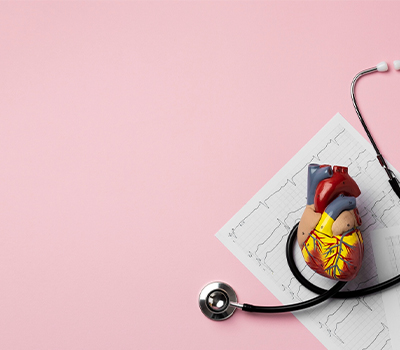
Heart problems are common. Almost every family today knows someone who has had a heart attack, a bypass, or a stent. The first reaction is usually fear: is the heart failing, is this the last warning, what if it happens again.
It helps to know that heart care has not stayed still. Over the last few decades, heart disease treatment has moved from limited tools to highly organised advanced cardiology care. Today’s systems are much better at finding problems early, opening blocked arteries quickly, and supporting recovery in a structured way.
Understanding this change is not a theory exercise. It is a way to lower anxiety and to see why a good heart specialist and the best cardiology hospital you can access make a real difference if trouble appears.
Heart disease treatment in the past
In earlier decades, heart care was mostly about observation and support. Doctors relied on listening with a stethoscope, checking the pulse and blood pressure, and reading a basic ECG or X-ray. Many heart problems came to light only when symptoms were obvious and severe.
During a heart attack, there was no standard way to open the blocked artery fast. Patients were treated with rest, oxygen, pain relief, and a few medicines. Some recovered. Others did not. Families were often told to “take it easy” and hope for the best.
It was not a lack of effort. The science and equipment simply had not matured. The heart was a black box that could be examined from the outside but not treated with precision from the inside.
Bypass surgery and open-heart treatment
The story changed once coronary artery bypass grafting (CABG) became routine. Surgeons learned to use veins and arteries from the leg or chest to create new routes for blood around blocked coronary arteries. Instead of living with a severe blockage, the heart could receive fresh supply beyond it.
This was a major shift for people with multivessel disease. Chest pain reduced. Exercise tolerance improved. Life expectancy often improved as well. For the first time, there was a planned, mechanical way to handle advanced blockages.
Bypass surgery was still a big operation. It involved a chest incision, a heart-lung machine in many cases, several days in the ICU, and weeks of recovery at home. Yet compared with the earlier era, it turned many “nothing more can be done” cases into treatable situations.
Angioplasty, stents, and smaller procedures
The next big step was the rise of angioplasty and stenting. Instead of opening the chest, heart arteries could now be treated from inside the vessel. A thin tube was introduced through an artery in the wrist or groin and guided to the heart under X-ray. A balloon opened the narrowing. A stent, a small mesh tube, kept it open.
For suitable patients, advantages were clear. Entry points became smaller. Pain reduced. Hospital stays shortened. Many people went home in a day or two after an uncomplicated procedure. For heart attacks, prompt angioplasty limited muscle damage and improved outcomes.
Bypass surgery stayed important for complex, widespread disease. Angioplasty became the preferred choice for one or a few well-placed narrowings. The focus began to shift from “big operation or nothing” to “choose what fits this pattern of disease best”.
Advanced cardiology care today
Today’s advanced cardiology care builds on both surgery and angioplasty but adds strong diagnostics and planned pathways. The goal is not only to fix a blockage but to understand the heart as a whole and protect it over the long term.
A modern heart specialist uses several tools:
- Echocardiography to see how well the heart pumps and how valves function
- Stress tests to watch how the heart behaves with controlled effort
- Coronary angiography or CT angiography to map artery narrowings precisely
- Cardiac MRI for special muscle and structural questions
- Holter and other rhythm monitors to detect silent rhythm issues
These tests change the quality of decisions. Instead of assuming how bad disease might be, the team can see its exact pattern: how many vessels, how tight, how the heart muscle is coping. That lets them decide whether medicines, angioplasty, bypass surgery, or a mix of approaches gives you the best balance of safety and benefit.
Modern heart medicines and prevention
A major part of today’s heart disease treatment is medical rather than procedural. Modern drugs quietly protect the heart over months and years. They reduce the risk of heart attack, stroke, and worsening heart failure.
Key goals include:
- Keeping blood pressure under control
- Lowering harmful cholesterol and stabilising plaque
- Preventing clots in high-risk patients
- Supporting a weak heart so it pumps more efficiently
A heart specialist adjusts these medicines based on age, kidney function, diabetes, weight, and lifestyle. Tablets are often combined with advice on food, movement, sleep, and stress. The idea is simple: reduce the chance that you ever land up with an emergency in the first place.
In earlier decades, treatment began mainly after the big event. Now, the emphasis is on preventing or delaying that event, and on softening its impact if it does occur.
What a heart specialist is like today
The heart specialist of today is more than an emergency doctor. They are the main coordinator of your heart care before, during, and after treatment.
In the clinic, they listen to your symptoms, review your history, and examine you. They decide which tests genuinely add value. They walk you through what is going on in your heart in language you can follow. This alone reduces a lot of anxiety.
When tests show disease, the heart specialist decides whether medicines alone are enough or whether angioplasty or surgery are needed. In complex cases, they discuss your films with cardiac surgeons and imaging experts. Together, they agree on a plan that suits your arteries and your overall health rather than forcing one standard template on everyone.
Over time, the same specialist sees how you respond, adjusts medicines, monitors numbers, and guides your return to work, travel, and daily activity. In a way, they become a long-term partner for your heart health, not just a one-time visitor during a crisis.
How the best cardiology hospital supports treatment
Even the best heart specialist needs the right environment. That is where the best cardiology hospital makes a direct, practical difference.
A strong heart centre usually has:
- A cath lab for angiography, angioplasty, and device procedures
- Cardiac operating theatres for bypass and valve surgery
- A dedicated cardiac ICU with continuous monitoring
- Trained nurses and technicians who handle heart cases every day
There are also clear protocols for heart attacks, heart failure, rhythm problems, and stroke. Timelines are defined. Roles are clear. Handovers between shifts are structured. Digital records keep your test results, allergies, and treatment history in one place.
All of this reduces delays and errors. It allows the heart specialist to make decisions faster, with better information in front of them. For you, it translates into quicker treatment in emergencies, fewer surprises during admission, and a smoother path from diagnosis to discharge.
The cardiology team behind the specialist
Heart care is always a team effort, even when you mainly interact with one doctor. Around the heart specialist, you will often find:
- Cath lab staff who operate imaging and assist during procedures
- ICU and ward nurses who watch your condition closely
- Cardiac surgeons and anaesthetists for surgical needs
- Physiotherapists who start safe movement and breathing exercises
- Dietitians who help you shift to heart-friendly food that fits your routine
When this team works in sync, treatment feels organised rather than chaotic. You know who is doing what, and the heart specialist can focus on the key decisions while trusting the team to handle crucial details of care and recovery.
When to see a heart specialist
You do not have to wait for severe pain to see a cardiologist. It is reasonable to meet a heart specialist if you notice:
- Chest discomfort, heaviness, or pressure with activity
- Breathlessness that feels unusual for your age and fitness
- Palpitations that feel fast, irregular, or worrying
- Swelling in your legs with tiredness or reduced stamina
- Diabetes, high blood pressure, high cholesterol, or a strong family history of heart disease
Often, the result of that first visit is reassurance and simple guidance. Sometimes, early tests pick up disease at a stage when it is very manageable. In either case, you move from vague worry to a clearer plan.
Living with heart disease in today’s age
Heart disease is still serious. It needs attention and respect. At the same time, you are living in the best period so far for heart health treatment. Bypass surgery, angioplasty, advanced imaging, modern medicines, and organised team care have all matured together.
If you or someone close to you is told that there is a heart problem, you are not facing it with the tools of the past. You can reach a heart specialist, in a best cardiology hospital setting, with systems designed around heart emergencies and long-term care.
Your role is to seek help early, ask questions until you are clear, follow the plan you agree on, and keep up with follow-up visits. The rest comes from decades of progress in cardiology, built to give your heart the best possible chance at staying strong for as long as it can.
FAQs
Q) What is “advanced cardiology care,” and how is it different from a regular cardiology visit?
Advanced cardiology care is a structured system—not just one doctor—where diagnosis, treatment, and recovery are coordinated using modern imaging, cath lab procedures, surgery support, ICU monitoring, and follow-up pathways. It reduces guesswork, speeds up decisions in emergencies, and improves continuity of care after discharge.
Q) How does a cardiologist decide between medicines, angioplasty/stent, and bypass surgery?
The decision is based on the pattern of disease (how many arteries are involved, how tight the blockages are, and where they are), how well the heart muscle is pumping, your symptoms, and your overall risk factors (diabetes, kidney health, age). In general, stents suit limited, well-placed narrowings; bypass is often preferred for complex multivessel disease; and medicines may be enough when blockages are mild or stable.
3) If someone had a stent or bypass, does that mean the heart problem is “fixed forever”?
A procedure treats the current blockage problem, but it does not erase the underlying tendency for plaque build-up. Long-term success depends heavily on risk control—blood pressure, cholesterol, diabetes, smoking, weight, activity, and the medicines your cardiologist prescribes. Think of the procedure as the “repair,” and prevention as the “protection plan.”
Q) When should I see a heart specialist—even if I’m not having “classic” chest pain?
See a cardiologist if you have activity-related chest heaviness, unusual breathlessness, palpitations, leg swelling with fatigue, or reduced exercise capacity that is new for you. Also consider an early consult if you have diabetes, high BP, high cholesterol, smoking history, or strong family history—because early disease is often manageable when caught before an emergency.
Q) Why does the “best cardiology hospital” matter if the cardiologist is good?
Because outcomes depend on speed, coordination, and infrastructure during testing, procedures, and emergencies. A strong heart centre typically has a cath lab, cardiac OT, cardiac ICU, trained cardiac nursing/tech teams, and standard protocols for heart attacks, rhythm issues, and heart failure. This reduces delays, improves monitoring, and makes the patient journey more predictable and safer—especially when minutes matter.