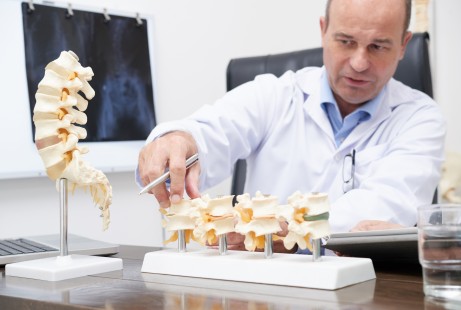
Back pain is very common. Almost everyone experiences it at some point. Long sitting hours, bad posture, lifting something wrong, and suddenly your back starts hurting. Most of the time, it settles. But sometimes… it doesn’t. The pain stays. It spreads to your legs. It starts affecting how you walk, sit, even sleep. That’s when people start hearing this line “You may need spine surgery.” And that’s where confusion and fear both begin.
Not all back pain needs surgery
This is the first thing to understand. Most back pain improves with:
- Rest
- Medicines
- Physiotherapy
- Posture correction
- Lifestyle modifications
Surgery is not the first option. Doctors always try non-surgical treatments first. Only when these stop working, they start considering back pain surgery. So, if someone suggests surgery, it usually means the problem has reached a certain level.
What actually goes wrong in the spine?
The spine is not just bones. It has discs, nerves, joints, all working together to support movement. Over time or due to injury:
- Discs can slip or bulge
- Nerves can get compressed
- Bones can wear out
When a nerve gets compressed, that’s when pain becomes sharp, shooting, or radiating.This is not just “normal pain” anymore.
Signs that it may not be a simple back issue
This is where you need to pay attention. If you notice:
- Pain going down your leg (like electric shock)
- Numbness or tingling in legs or feet
- Weakness while walking
- Difficulty standing for long
- Loss of control over bladder or bowel (rare but serious)
- Back pain with fever
These are not symptoms to ignore. They often indicate nerve involvement, and that’s when a spinesurgeon consultation becomes important.
When do doctors actually recommend spine surgery?
Doctors don’t rush into surgery. They usually consider it when:
- Pain is severe and long-lasting
- Medicines and therapy are not helping
- Daily life is getting affected
- Weakness is progressing
- Bowel and bladder involvement
It’s not about the scan alone. It’s about how much the problem is affecting your life.
What types of spine surgery are done?
Not all surgeries are big or complicated. Depending on the condition, procedures may include:
- Removing the part of disc pressing on nerve
- Stabilising the spine with screws or rods
- Creating more space for nerves
- Replacing the damaged disc with new one
Some surgeries are now minimally invasive, which means:
- Smaller cuts
- Less pain after surgery
- Faster recovery
But again, the type depends on the condition.
What happens on the day of surgery
Most people feel anxious before this step. You are given anesthesia, so you don’t feel pain during the procedure. The surgeon works carefully around nerves and spine structures to correct the issue. The duration depends on the complexity, but everything is planned in advance. Once the surgery is done, recovery begins and that’s where patience is needed.
Recovery is gradual, not instant
This is something people should understand clearly. In the first few days:
- You may feel soreness
- Movement will be limited
- You will need support
But slowly:
- Sitting becomes easier
- Walking improves
- Pain starts reducing
Physiotherapy plays a big role here. It helps regain strength and flexibility. Recovery takes time, but progress is steady.
Life after spine surgery
This is what most patients ask. Will I be able to move normally again? In many cases, yes. People return to:
- Walking comfortably
- Daily activities
- Work (depending on type of job)
But some changes are important:
- Maintaining proper posture
- Avoiding heavy lifting
- Staying active
- Regular exercise
- Healthy and balanced diet
Surgery fixes the problem, but long-term care keeps it from coming back.
Risks, what you should know
Every surgery has risks, and it’s better to know them honestly. Possible risks include:
- Infection
- Bleeding
- Nerve-related complications
- Slow recovery in some cases
- cerebrospinal fluid (CSF) leak
The risk level depends on the condition, overall health, and type of surgery. Doctors explain all this before moving ahead.
So, do you really need spine surgery?
This is not a decision to take quickly. If your pain:
- is manageable
- improves with therapy
- doesn’t affect daily life much
then surgery may not be needed. But if pain is controlling your life, limiting movement, and not improving, then surgery becomes a reasonable option.
Final words
Back pain is common. But not all back pain should be ignored. There is a point where it stops being a simple issue and becomes something that needs proper attention. Spine surgery is not about fear, it’s about restoring movement when nothing else is working. The key is understanding the difference. And acting at the right time.