A blocked nose feels normal at first. You think it’s just a cold. Give it a day or two, it will go away. But then the pressure starts. Around your eyes… your forehead… even your cheeks. Breathing feels heavy. Head feels full. And suddenly, it’s not “just a cold” anymore. That’s usually how sinusitis begins; slowly, then all at once.
What exactly is sinusitis?
Inside your face, there are small air-filled spaces called sinuses. When they are clear, you don’t even notice them. But when they get blocked and filled with mucus, that’s when sinusitis happens. The blockage can be due to:
- Infection
- Allergy -Nasal polyp
- Cold that didn’t settle properly
Once blocked, pressure builds up. That’s where the pain and heaviness come from.
Why sinus problems keep coming back
This is something people struggle with. You treat it once, feel better… and then it returns. Common reasons:
- Frequent colds
- Dust and pollution
- Allergies
- Weak immunity
- Structural issues in the nose
- Poor hygyne and sedentry lifestyle
Sometimes the root cause is never addressed, only the symptoms are treated. That’s why proper sinusitis treatment is important, not just temporary relief.
Symptoms that clearly point to sinusitis
It doesn’t feel like a regular cold. There are some clear differences. You may feel:
- Facial pain or pressure
- Blocked nose that doesn’t clear
- Thick nasal discharge
- Headache, especially around forehead
- Reduced sense of smell
- Feeling of heaviness in the head
- Post nasal drip
Some people also feel tired or slightly feverish. It’s not just discomfort, rather it starts affecting your daily routine.
When should you see an ENT doctor?
Most people wait too long. You don’t need to rush for every cold, but you shouldn’t ignore ongoing symptoms either. Visit an ENT doctor if:
- Symptoms last more than a week
- Pain keeps increasing
- Sinus issues keep coming back
- Breathing through nose feels difficult
- You rely on medicines again and again
- Loss of Smell and loss of taste
Recurring sinus problems always need proper evaluation.
What actually helps in sinusitis treatment
Treatment depends on the cause and severity.
Mild cases
Sometimes simple care helps:
- Steam inhalation
- Staying hydrated
- Rest
These are common sinus infection remedies people try at home. They can give relief, especially in early stages.
Moderate cases
If symptoms don’t settle, doctors may suggest:
- Medicines to reduce inflammation
- Nasal sprays
- Medication for infection (if required)
- Aleergy Control
This helps clear the blockage and reduce pressure.
Chronic or repeated sinusitis
This is where proper treatment matters more. If sinusitis keeps coming back, doctors may recommend:
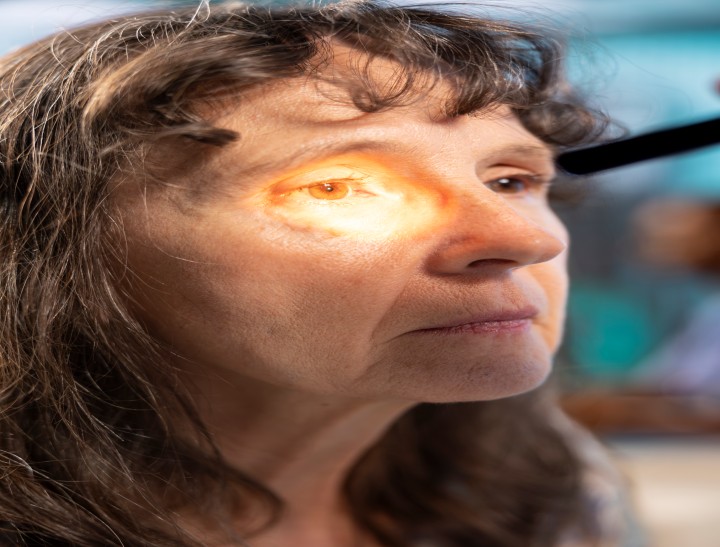
- Detailed evaluation / DNE (Diagnostic Nose Endoscopy)
- Imaging (like CT scan, CT.PNS)
- In some cases, minor procedures to clear sinuses
- FESS (Endoscopic Sinus Surgery)
These procedures are usually safe and help improve long-term breathing.
What you feel during recovery
Relief usually starts gradually. First, the pressure reduces. Then breathing becomes easier. Head feels lighter. But recovery is not always instant. If sinusitis has been there for long, it may take a few days or weeks to settle completely. Consistency with treatment matters.
Can sinusitis be prevented?
Not completely, but yes, you can reduce the chances. Simple habits help:
- Avoid dust and pollution exposure
- Treat allergies early
- Stay hydrated
- Don’t ignore frequent colds
- Maintain good nasal hygiene
These small steps support long-term sinus health.
Final words
Sinusitis doesn’t start as something serious. It begins like a normal cold. But when it stays… when pressure builds… when breathing feels difficult, that’s when it needs attention. Ignoring it only makes it come back stronger. The good part is, with the right sinusitis treatment, most people find real relief. You just need to stop treating it as “just a cold.”
Those who are diabetic on medication should have a good glycemic control, otherwise there is a change of developing Fungal Sinusitis