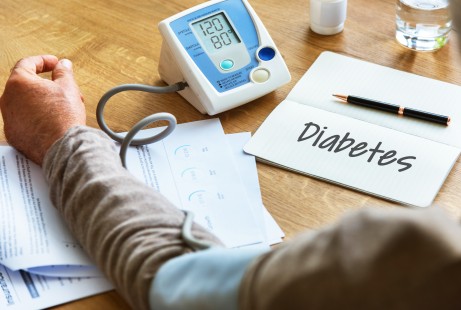
Diabetes and high blood pressure don’t usually feel serious in the beginning. There are no symptoms. No immediate warning. No sudden stop in daily life. That’s why most people don’t take them seriously at first. But over time, these two conditions slowly affect the body, heart, kidneys, nerves, eyes… everything. And the real challenge is not just diagnosing them. It’s managing them every single day. This is where internal medicine plays a very important role.
Why diabetes and hypertension often go together
You’ll notice something common. Many patients who have diabetes also have high blood pressure. This is not a coincidence. Both conditions are connected through:
- Lifestyle habits
- Metabolism
- Blood vessel health
When blood sugar stays high for a long time, it affects blood vessels. When blood pressure stays high, it puts stress on the same system, and consequently on important target organs. So instead of treating them separately, doctors often manage them together. That’s where structured chronic disease care becomes important.
The real problem is not the disease; it’s long-term control
Getting diagnosed is just the first step. The real work starts after that. Many people take medicines for a few weeks, feel better, and then stop being consistent. That’s where things go wrong. Both diabetes and hypertension:
- Need regular monitoring
- Need lifestyle changes
- Need long-term discipline
They don’t improve with short-term efforts. And this is exactly why patients need continuous guidance, not just one-time treatment.
How internal medicine helps in managing both together
An internal medicine doctor doesn’t just look at one number. They look at:
- Blood sugar levels
- Blood pressure
- Weight
- Diet
- Lifestyle habits
- Other existing conditions
Everything is connected. Instead of giving isolated treatment, they create a plan that works together. That’s the core of diabetes management and hypertension treatment — not separate, but combined.
Step 1: Understanding your numbers
Before managing anything, you need clarity. Most patients don’t fully understand:
- What their sugar levels mean
- What BP readings indicate
- What is normal vs concerning
An internal medicine specialist explains this clearly. Because when you understand your numbers, you take better decisions. And that changes everything.
Step 2: Medicines are important; but not enough
This is where many people misunderstand treatment. Medicines help control levels. But they don’t fix the root cause alone. Without lifestyle changes:
- Sugar fluctuates
- BP keeps rising
- Complications slowly build
So treatment always includes both:
- Medication
- Lifestyle correction
Not one without the other.
Step 3: Small lifestyle changes that actually work
You don’t need extreme changes. You need consistent ones. For diabetes management:
- Regular meal timing matters
- Avoiding excessive sugar and processed food helps
- Staying active improves control
For hypertension treatment:
- Reducing salt intake is important
- Managing stress helps
- Regular physical activity supports blood pressure
These don’t sound big. But over months and years, they make a real difference.
Step 4: Monitoring; the most ignored step
Many patients take medicines but don’t track progress. That’s a mistake. Regular monitoring helps:
- Adjust treatment
- Prevent complications
- Understand what’s working
You don’t need daily hospital visits. But periodic checks are necessary. That’s how proper chronic disease care works, consistent follow-up.
Step 5: Preventing complications before they start
This is the most important goal. Diabetes and hypertension don’t harm immediately. They damage slowly. If uncontrolled, they can affect:
- Heart (heart disease)
- Kidneys (kidney failure)
- Eyes (vision problems)
- Nerves (neuropathy)
The aim of treatment is not just to control numbers. It’s to prevent these complications. And early management makes that possible.
Why patients struggle with long-term management
Let’s be honest. Staying consistent is hard. People:
- Get tired of medicines
- Ignore diet after some time
- Skip follow-ups
- Feel “normal” and stop care
That’s natural. But that’s also risky. Internal medicine care focuses on keeping patients on track, not just medically, but practically.
The role of regular doctor follow-ups
This is not just routine. Follow-ups help:
- Adjust medicines when needed
- Catch early warning signs
- Keep control stable
Even if you feel fine, follow-ups matter. Because these conditions don’t always show symptoms when things go wrong.
Living with diabetes and hypertension
This is something people worry about a lot. “Will I have to live like this forever?” The answer is - yes, but not in a negative way. With proper care:
- You can live normally
- You can stay active
- You can avoid complications
The goal is not restriction. The goal is balance.
Final words
Managing diabetes and hypertension is not about doing something big once. It’s about doing small things consistently. Taking medicines on time. Eating a little better. Moving your body regularly. Checking your levels. And most importantly; not ignoring it. With the right internal medicine approach, both conditions can be managed effectively. Because in the end, good chronic disease care is not about control for a few days. It’s about control for life, in a way that still lets you live fully.