When someone says “you may need a kidney transplant” … it may sound very scary . But later, when you sit alone, that’s when it starts sinking in. Questions don’t come one by one. They come all together. Is this serious? Will surgery be safe? What happens after?
And somewhere in between all this, there’s also a small thought,
will life go back to normal again?
Who actually needs a kidney transplant?
Not every kidney problem leads to a transplant. A lot of people manage with medicines. Some continue with dialysis for years. But when kidneys stop doing their basic job — filtering waste properly — that’s when things change. At that stage, dialysis helps… but only to a point. It supports life, yes. But it doesn’t replace normal function completely. That’s usually when doctors start discussing kidney transplant as a more long-term solution. Not immediately. Not casually. But when it becomes necessary.
Eligibility is not just about kidneys
This is something many people misunderstand. You don’t qualify for transplant just because your kidneys are failing. Doctors look at the whole body. Heart condition matters. Infections matter. Diabetes control matters. Because transplant is not just a surgery, it’s something your body has to accept. And then there’s the donor part. Sometimes it’s a family member. Sometimes not. Matching has to be done carefully like blood group, tissue compatibility, all of that. It takes time. It can feel slow. But honestly, this is one part you don’t want rushed.
Before surgery — a lot happens (and it feels like too much)
You go through tests. Then more tests. At some point it feels like, why so many? But each one has a purpose. Doctors are not just checking if you need surgery, they are checking if you can handle it. You meet different teams. Different specialists. Same questions asked again and again. It can feel tiring. Slightly overwhelming too. But this entire phase is about making the transplant surgery safer.
The surgery itself: what actually happens
On the day of surgery, things move fast. You’re given anesthesia. You won’t feel pain during the procedure. The new kidney is placed in your lower abdomen, not exactly where your original kidneys are. That surprises a lot of people. The surgeon connects it to blood vessels and the urinary system. Once blood flow starts, the kidney may begin working. Sometimes immediately. Sometimes it takes a little time. The surgery takes a few hours. But honestly, for patients… it feels like everything just happened in one blur.
The first few days after surgery feel different
You wake up, and things feel… strange. There’s relief, yes. But also weakness.
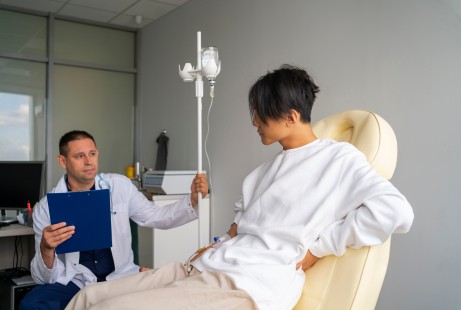
Doctors keep a close eye during this time. They check how the new kidney is functioning. They monitor urine output, blood levels, everything. And then medicines begin. These medicines are important. Very important. They help your body accept the new kidney.
Let’s talk about risks (because it matters)
No surgery is risk-free. And it’s better to be clear about that. There can be:
- infection
- bleeding
- rejection of the new kidney
Now, rejection sounds scary. And yes, it is serious. But it doesn’t always mean failure. With proper medicines and monitoring, many cases are managed. The key is not ignoring follow-ups. That’s where most problems begin.
Life after kidney transplant; not what people expect
Many people think, “after surgery, everything becomes normal.” That’s not exactly how it works. Life does improve. A lot. You may feel more energetic. You’re no longer dependent on regular dialysis. Daily routine becomes easier. But there’s a new responsibility. Medicines become part of your daily life. You can’t skip them. Follow-ups continue. Not forever at the same frequency, but they don’t stop completely. It’s a different kind of normal.
Not difficult… but not careless either.
Recovery is not just physical
This part is real, and often ignored. After everything — diagnosis, waiting, surgery — there’s a mental impact. Some days feel positive. Some days feel heavy. That’s normal. You’re not just recovering from surgery. You’re adjusting to a new phase of life. Support matters here. More than people realise.
Long-term care reflects small things, big impact
After a while, things settle. You get used to the routine. Taking medicines on time. Going for check-ups. Being a little careful with infections. Nothing extreme. Just consistent. And over time, this consistency protects the kidney.
Final thoughts
A kidney transplant is not just a medical procedure. It’s a journey. From doubt… to decision… to surgery… to recovery… and then learning how to live again, slightly differently. It’s not easy. But it’s also not the end of normal life. For many people, it’s actually the beginning of feeling better again. Not instantly.
But gradually… and in a very real way.