Urology deals with conditions affecting the kidneys, ureters, bladder, prostate, and male reproductive organs. Over the last decade, technology has significantly improved how these conditions are treated. Advanced Robotic and Laser Urology represents a shift toward greater precision, smaller incisions, and faster recovery.
Many patients worry that newer technology means higher risk. But, in reality, these techniques are designed to improve safety, reduce pain, and enhance surgical accuracy. The future of surgery is already here.
What Is Advanced Robotic and Laser Urology?
This field combines two major innovations: robotic-assisted surgery and laser-based procedures. Both fall under minimally invasive urology, which means treatment is performed through small openings or natural passages rather than large surgical cuts.
Robotic systems allow surgeons to operate using high-definition 3D visualization and finely controlled instruments. Laser technology uses concentrated light energy to remove or treat diseased tissue with accuracy.
The objective is to treat the problem effectively while preserving surrounding healthy structures.
How Robotic Surgery Works
During robotic surgery, the surgeon sits at a console and controls robotic arms equipped with delicate instruments. The system translates hand movements into smaller, steadier actions inside the body.
The advantages of robotic systems include:
- Enhanced precision in tight spaces
- Better visualization of nerves and blood vessels
- Reduced hand tremor
- Greater flexibility compared to traditional laparoscopy
These features are particularly valuable in prostate, kidney, and bladder surgeries, where preserving nerve function and continence is important.
Laser Technology in Urology
Lasers are widely used to treat urinary stones and prostate enlargement. Instead of cutting tissue with a blade, focused laser energy breaks stones into small fragments or removes excess prostate tissue.
Laser prostate surgery is commonly used for benign prostatic hyperplasia (BPH), a condition where the prostate enlarges and obstructs urine flow. The laser vaporizes or enucleates obstructing tissue, improving urinary symptoms.
Laser procedures often result in minimal bleeding and shorter catheter duration compared to conventional surgery.
Conditions Commonly Treated
Advanced robotic and laser techniques are used for:
- Prostate cancer
- Kidney tumors
- Bladder tumors
- Enlarged prostate
- Kidney and ureteric stones
- Urinary tract obstruction
Each treatment plan is tailored to the patient’s diagnosis, overall health, and disease stage.
Benefits of Minimally Invasive Urology
The growth of these techniques is largely due to consistent clinical outcomes. Key robotic surgery benefits and laser advantages include:
- Smaller incisions
- Less blood loss
- Reduced post-operative pain
- Lower infection risk
- Shorter hospital stay
- Faster return to normal activity
In cancer cases, robotic surgery also supports precise tumor removal while attempting to preserve urinary control and sexual function when medically appropriate.
What Happens Before the Procedure
Before surgery, patients undergo blood tests, imaging scans such as ultrasound or MRI, and detailed consultation. The urologist explains the diagnosis, treatment options, expected results, and possible risks.
Medication history is reviewed carefully, especially blood thinners. Fasting instructions and hospital admission details are provided in advance.
Clear understanding of the plan reduces uncertainty and improves preparedness.
During the Procedure
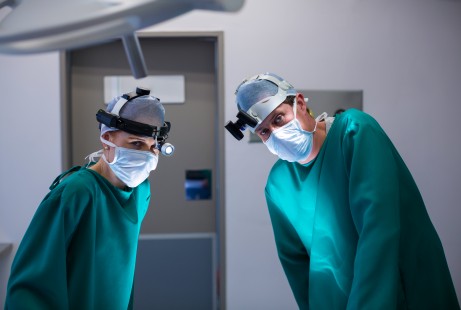
Robotic surgeries are performed under general anesthesia. Small ports are inserted into the abdomen to introduce instruments and a camera. The surgeon controls movements from a console while viewing a magnified 3D image.
Laser procedures for stones or prostate conditions are often done through the natural urinary passage, avoiding external incisions entirely.
The length of surgery depends on the complexity of the case.
Recovery and Aftercare
Most patients begin walking within hours after robotic surgery. Oral intake resumes gradually. Discomfort is usually manageable with medication.
For laser prostate surgery, urinary flow often improves soon after catheter removal. Mild burning during urination may occur temporarily but settles with time.
Follow-up appointments monitor healing and ensure the condition has been fully addressed.
Are There Risks?
All surgical procedures carry some degree of risk. These may include infection, bleeding, urinary leakage, or anesthesia-related issues. However, minimally invasive approaches generally lower the frequency of complications compared to traditional open surgery.
Suitability depends on individual factors such as tumor size, prior surgeries, and overall medical condition.
A thorough evaluation ensures that the chosen technique offers the best balance of safety and effectiveness.
A Clear Outlook
Advanced Robotic and Laser Urology reflects how surgical care continues to evolve. Technology supports precision, but successful outcomes still depend on experienced surgeons and careful patient selection.
For many urological conditions, minimally invasive options provide effective treatment with shorter recovery and improved comfort. Understanding the procedure, recovery expectations, and long-term follow-up helps patients move forward with clarity and confidence.