Hormone problems do not always announce themselves clearly. Hormone problems come in very confusing way. Weight changes without reason. Constant tiredness. A lump in the neck. Blood pressure that stays high despite medicines. These signs often feel confusing and slow to connect. But when a doctor suggests some necessary tests and the results finally point to an endocrine gland issue, all the confusing symptoms begin to make sense.
Endocrine surgery is done to treat hormone-producing glands when medicines alone are not enough. Understanding what the surgery involves, how it feels, and what recovery looks like helps reduce fear and brings clarity to the process.
Why endocrine surgery is sometimes needed
Endocrine glands control hormones that affect nearly every part of the body. When one of these glands becomes overactive, underactive, enlarged, or develops a growth, hormone balance is disturbed.
Most endocrine disorders are treated with medicines at first. Surgery is advised when there is a tumour/nodule with cancer risk, pressure symptoms, uncontrolled hormone excess, or suspicious scan/FNAC results
The most common glands treated with endocrine surgery include the thyroid, parathyroid, adrenal glands, and pancreatic neuro endocrine tumors.
Conditions commonly treated with endocrine surgery
Many patients are surprised to learn how common these conditions are.
Problems related to the thyroid gland may cause neck swelling, difficulty swallowing, voice changes, or hormone imbalance. In such cases, thyroid surgery may be advised to remove part or all of the gland.
Parathyroid disorders can lead to high calcium levels, bone pain, kidney stones, or fatigue. Removing the overactive gland often brings quick relief.
Adrenal tumours like pheochromocytoma cause severe blood pressure spikes with sweating and palpitations, Conn’s syndrome causes persistent high blood pressure with low potassium, and Cushing’s syndrome leads to weight gain, diabetes and muscle weakness.Adrenal gland surgery is done when these glands produce excess hormones or develop tumours.
Each condition is evaluated carefully before surgery is advised.
How patients usually feel before surgery
Before surgery, emotions tend to fluctuate. Relief that a cause has been found often mixes with anxiety about the operation. Patients worry about pain, scars, hormone changes, and recovery time.
Physically, symptoms from hormone imbalance may already be affecting daily life. Fatigue, sleep disturbance, or mood changes are common. These symptoms often improve once the gland causing the imbalance is treated.
What happens on the day of surgery
On the day of surgery, things move in a calm, planned manner.
You change into hospital clothing. Monitoring pads are placed gently to track heart rate and oxygen levels. A small IV line is inserted. Medicines help you relax. The surgical area is cleaned and prepared.
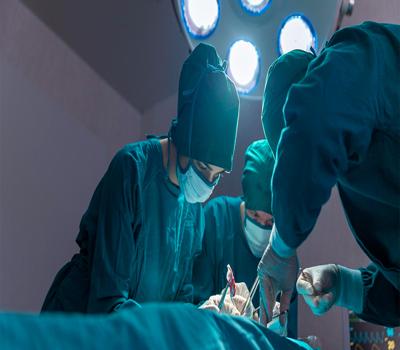
You do not feel pain during surgery. You are under general anaesthesia. The surgeon works carefully around delicate structures to remove the affected gland or part of it. Once the procedure is complete, you are moved to recovery for close observation.
Waking up after surgery: what patients notice
As you wake up, you may feel groggy. Throat discomfort is common, especially after thyroid surgery, due to the breathing tube used during anaesthesia. This usually settles within a day or two.
Mild pain or tightness near the surgical area is expected. Pain medicines keep this manageable. Nurses monitor blood pressure, calcium levels, and hormone balance closely.
Most patients are surprised that discomfort is less than they expected.
Understanding the risks without fear
All surgeries carry some risk, but endocrine surgeries are generally safe when done by experienced teams.
Possible risks include infection, bleeding, temporary voice changes, or shifts in hormone levels. Some patients may need hormone supplements after surgery, depending on how much of the gland is removed.
Doctors watch closely for these issues and manage them early if they occur.
The first few days of recovery
Recovery usually begins quickly. Many patients sit up and walk within a day. Eating starts with light food and progresses as comfort improves.
Tiredness is common after anaesthesia and a hospital stay. This improves gradually. Hospital stay is often short, depending on the procedure and individual recovery.
Follow-up visits help review reports, adjust medicines, and check hormone levels.
Daily life in the weeks after surgery
At home, recovery feels steady rather than sudden. Energy returns step by step. Swelling reduces. The surgical area heals quietly.
Many patients resume routine activities in 1–2 weeks after uncomplicated thyroid/parathyroid surgery; heavier work may take longer.
If hormone medicines are prescribed, taking them regularly becomes part of routine. Over time, most patients feel better than they did before surgery.
How families can support recovery
Family support helps recovery feel easier. Simple help with medicines, meals, and reminders makes a difference. Emotional reassurance matters just as much as physical care.
Patients often regain confidence faster when they feel supported and understood.
Final words
Endocrine surgery is not about removing a gland alone. It is about restoring balance to the body. For many patients, it brings relief from long-standing symptoms and a return to normal daily life.
Knowing what to expect before, during, and after surgery removes much of the fear. With careful evaluation, experienced surgical care, and steady follow-up, Endocrine Surgery becomes a clear and manageable step toward better health.
Frequently Asked Questions (FAQs)
-
What is endocrine surgery?
Endocrine surgery is done to treat hormone-producing glands when medicines are not enough. It involves removing part or all of a gland causing hormone imbalance.
-
Which conditions need endocrine surgery?
Endocrine surgery is commonly done for thyroid disorders, parathyroid problems, adrenal gland conditions, and some hormone-related tumours.
-
Is thyroid surgery safe?
Yes. Thyroid surgery is generally safe when done by experienced surgeons. Most patients recover well with proper follow-up.
-
Will I need lifelong medicines after endocrine surgery?
After total thyroidectomy lifelong thyroxine is needed, after parathyroid surgery usually no lifelong hormone replacement is required, and after adrenal surgery steroid tablets may be needed depending on the disease type and whether one or both glands are removed. After hemithyroidectomy, many patients may not need thyroid hormone tablets, because the remaining thyroid lobe can often take over the body’s hormone needs.Your doctor will guide you based on test results.
-
How long does recovery take after endocrine surgery?
Most patients recover within a few weeks. Light activities can resume early, while full recovery happens gradually.
-
Are there risks involved in endocrine surgery?
Like all surgeries, there are risks such as infection, bleeding, or temporary hormone changes. These are usually manageable with close monitoring.
-
When should I see a specialist for endocrine problems?
You should see a specialist if you have ongoing symptoms like unexplained weight changes, neck swelling, fatigue, or hormone imbalance that does not improve with medicines.