Neurology problems rarely arrive with a neat label. A hand goes numb. Speech feels “stuck” for a few seconds. A headache changes its pattern. Someone collapses for a minute and wakes up confused. These moments are scary because the brain and nerves control everything that includes our movement, speech, memory, balance, and even breathing.
Modern Neurology care handles these situations in a step-by-step way. The goal is simple: identify what’s happening fast, protect the brain early, and build a long-term plan that reduces repeat events and improves daily life.
Step 1: Treat sudden symptoms like an emergency, not a “wait and see”
Some neurological symptoms need immediate action because minutes matter.
Go to emergency care right away if there is:
- sudden facial droop, arm weakness, slurred speech
- sudden loss of balance, severe dizziness, or new vision loss
- a new seizure, or a seizure that lasts longer than usual
These are classic red flags for stroke or acute brain events. Public health guidance emphasizes acting quickly with stroke warning signs (FAST/BE FAST).
Step 2: The first hospital goal is “rule out the dangerous causes”
In complex neuro cases, doctors don’t guess. They stabilise first, then confirm the cause.
Typical early steps include:
- checking blood pressure, sugar, oxygen, temperature
- a focused neurological exam (speech, strength, reflexes, coordination)
- rapid brain imaging when stroke is suspected (to differentiate types and guide treatment)
This structured start prevents delays and keeps care safe.
Step 3: Stroke management works best when it runs like a system
Stroke care is not just one decision, or just one step, but it’s a chain of correct steps done quickly.
What usually happens in stroke management
- Recognise stroke signs early (Face/Arm/Speech/Time or BE FAST).
- Emergency imaging to confirm stroke type and guide next steps.
- Acute treatment decisions based on eligibility and timing (this is where modern stroke systems make a big difference). Updated AHA/ASA guidance covers care from pre-hospital evaluation through early in-hospital treatment and secondary prevention.
- Early prevention after stabilisation — controlling BP, sugar, cholesterol, and starting appropriate secondary prevention to lower recurrence risk.
- Rehab planning (physio, speech therapy, occupational therapy) to regain function steadily.
The most important point: stroke outcomes improve when people reach a stroke-ready team quickly.
Step 4: Epilepsy treatment starts with “what type of seizure is this?”
A seizure is a symptom — not a final diagnosis. Good epilepsy care begins by identifying the seizure type and cause.
How epilepsy evaluation usually works
- A detailed history (what happened before, during, after the episode)
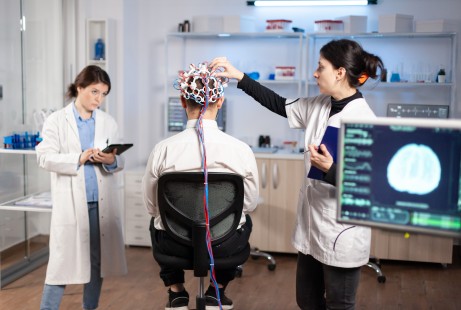
- EEG testing when indicated, to look at brain electrical activity patterns
- Brain imaging in selected cases to check for structural causes
- Choosing the right treatment plan based on seizure type and patient profile
Treatment commonly includes anti-seizure medicines; other options exist for people who don’t respond well to medication alone.
Step 5: When seizures don’t come under control, advanced options are real
Some people continue to have seizures even after trying medications properly. In such cases, specialists may consider:
- Epilepsy surgery evaluation (for selected patients)
- Brain stimulation therapies such as vagus nerve stimulation (VNS) or other device-based therapies, depending on suitability
- Diet-based therapy like a ketogenic diet in carefully chosen situations (often guided closely)
The key is careful selection. “Advanced” doesn’t mean aggressive — it means precise.
Step 6: Complex neurology needs a team, not one person
Many neurological problems overlap with other systems heart rhythm, blood pressure, endocrine issues, infections, nutrition, sleep, mental health. That’s why complex care works best when neuro-specialists coordinate with:
- emergency physicians and ICU teams
- radiology for rapid CT/MRI decisions
- physiotherapy, speech therapy, occupational therapy
- internal medicine/cardiology/endocrinology when risk factors drive the condition
This team model is especially important in stroke pathways and refractory epilepsy care.
Step 7: Brain health after discharge is where long-term success happens
People often feel relieved after the crisis passes, but brain and nerve care continues at home.
A solid follow-up plan usually includes:
- strict control of risk factors (BP, diabetes, cholesterol) after stroke
- medication adherence and safety counselling after seizures
- sleep, stress management, and rehab routines
- knowing exactly when to return urgently (new weakness, repeated seizures, confusion, severe headache)
Long-term brain health is built on small, consistent steps, not on just one hospital visit.
Final words
Complex neurology cases can feel frightening because symptoms affect identity — speech, movement, memory, independence. But modern Neurology care is organised for exactly this: act fast in emergencies, confirm the diagnosis carefully, and build a long-term plan that protects function.
If symptoms feel sudden, new, or repeatedly “not normal,” don’t self-manage. Early evaluation by neuro-specialists is often the safest and smartest next step, especially for stroke management and epilepsy treatment pathways.