Most people don’t think about their eyes until something feels “off.” A little blur while reading. Headlights start to glare at night. One eye feels weaker than the other. And suddenly you realise—vision is not just about seeing clearly. It’s about feeling confident and safe in daily life.
Modern Ophthalmology makes that journey easier. Today, eye care is not only about checking a number on a chart. It’s about finding the real cause, choosing the right treatment, and correcting vision in a way that fits your eyes and your life.
Step 1: Start with the right eye check, not random eye drops
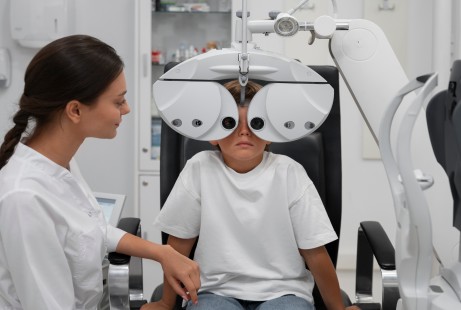
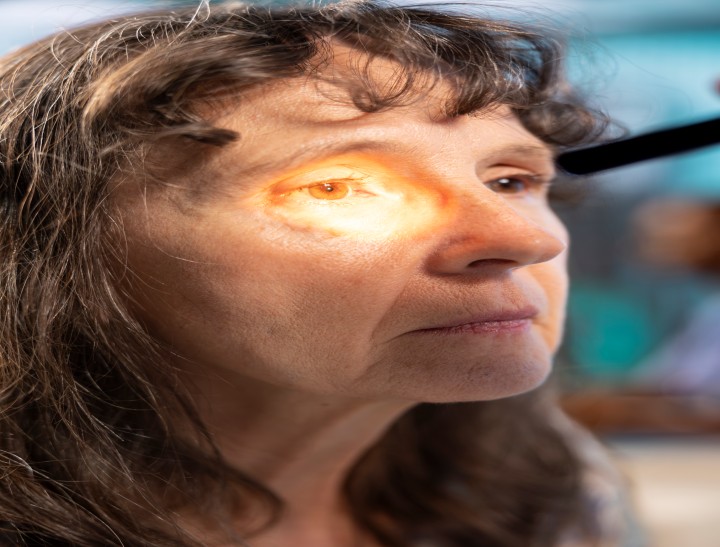
A proper eye evaluation usually includes:
- checking your vision (distance and near)
- measuring eye pressure (important for glaucoma treatment decisions)
- examining the front of the eye (cornea, lens)
- examining the retina and optic nerve (your long-term “wiring” for sight)
This step matters because many problems look similar from outside. Dry eye can feel like allergy. A cataract can feel like “just my glasses got weak.” Glaucoma can stay silent for years.
Step 2: Know what problem you’re dealing with
If your vision is blurry and lights feel harsh at night: This often points to cataract changes, especially if glasses are no longer helping much.
If you see fine, but your eye pressure is high or optic nerve looks stressed: That is where glaucoma treatment becomes important, even if you don’t feel pain.
If you’re tired of spectacles and contacts, and your cornea is suitable: Vision correction procedures like LASIK may be an option after screening.
Step 3: Cataract surgery, explained in a simple, real way
A cataract is a cloudy natural lens. It doesn’t “go away” with drops. When it starts affecting daily life (driving, reading, glare), surgery becomes the effective solution. The most common modern method is small-incision phacoemulsification with an intraocular lens (IOL), usually as an outpatient procedure.
What happens step-by-step (what you can expect):
- Your eye is numbed, so you don’t feel sharp pain (you may feel gentle pressure).
- The surgeon makes a tiny opening.
- The cloudy lens is broken into small pieces using ultrasound (phaco) and removed.
- A clear artificial lens (IOL) is placed inside the eye.
- You rest for a short time and go home with drops and instructions.
A small but important note:
Months or years later, some people get a cloudy layer behind the new lens (posterior capsule opacification). It can feel like the cataract “came back,” but it’s usually treatable with a quick laser procedure.
Step 4: LASIK, step-by-step, without the hype
LASIK is a laser vision correction procedure that reshapes the cornea to reduce dependence on glasses or contact lenses. It isn’t for everyone, and that’s completely okay. Screening is where the decision becomes safe.
What happens step-by-step:
- Your eye is numbed with drops.
- A thin corneal flap is created and lifted.
- An excimer laser reshapes the cornea based on your prescription.
- The flap is placed back, and it acts like a natural bandage.
What “advanced” means here:
It means careful eligibility checks (corneal thickness, dryness, stable power) and technology that makes treatment more precise.
Step 5: Glaucoma treatment, before vision loss becomes permanent
Glaucoma is mainly about pressure and optic nerve damage. Many people don’t feel symptoms early, which is why regular checks matter.
Treatment usually follows a step plan:
- Eye drops to reduce pressure (often the first step).
- Laser trabeculoplasty (commonly used in open-angle glaucoma) to help fluid drain better and lower pressure.
- Surgery when pressure stays high despite medicines/laser, or when the optic nerve needs stronger protection.
Glaucoma care is long-term. The goal is steady pressure control, because once optic nerve damage happens, it usually can’t be reversed—so prevention is the real win.
Step 6: Choosing the right eye specialist and the right treatment plan
A good eye specialist doesn’t rush you into a procedure. They:
- explain your diagnosis in simple language
- tell you the safe options (and who should avoid them)
- match the treatment to your lifestyle (work, screen time, driving, age)
- plan follow-ups (especially for glaucoma and post-surgery care)
Advanced eye care is not just equipment. It’s good decisions, good timing, and good follow-through.
Final words
Eyes don’t ask for much. They just need timely attention. Whether it’s cataract surgery, LASIK, or glaucoma treatment, the best outcomes usually come from one simple habit: don’t wait until vision becomes a daily struggle. Start with a proper eye check, understand the cause, then take the next step with confidence.