
Lung cancer is the most commonly diagnosed cancer among Indian men and one of the leading causes of cancer-related death in the country. According to data published in the Indian Journal of Medical Research by ICMR, India is projected to see over 81,000 new lung cancer cases in 2025 alone, a figure that has nearly doubled from a decade ago, driven by rising tobacco use, air pollution, and occupational exposures.
Yet despite the scale of the challenge, most patients and families walk into their oncologist's office with a single, pressing question: How much will this cost?
The honest answer is that lung cancer treatment costs in India vary widely from around INR1.3 lakh for early-stage, localised surgery to upwards of INR 15–20 lakh for advanced multi-modality treatment involving immunotherapy or targeted drugs.
Understanding why costs differ, and what factors you can actually plan for, is the first step toward making calm, informed decisions in what is already an emotionally overwhelming time. This guide walks you through every layer of the cost picture treatment-wise, stage-wise, and city-wise, without fluff or false reassurance.
Why Lung Cancer Treatment Costs Vary So Much?
No two patients receive the same treatment plan, which is exactly why no two bills look alike. The cost of lung cancer treatment in India depends on a combination of clinical, logistical, and hospital-level factors:
-
Stage of diagnosis: Early-stage disease (Stage I–II) generally involves localized surgery or SBRT, costing significantly less than metastatic disease.
-
Surgical Approach: Robotic surgery (RATS) is the most expensive upfront option due to specialized consumables, though it often reduces the total bill by cutting hospital stays down to 4–5 days and minimizing blood loss.
-
Hospital accreditation: NABH-accredited centers like BMH maintain higher operational standards and infection control, which prevents the “hidden costs” associated with post-operative complications and secondary infections.
-
Drugs and biologics: CDSCO/DCGI-approved immunotherapy agents (like Pembrolizumab) and targeted oncology drugs significantly impact overall costs, though the 2026 market for Indian generics has expanded, making these therapies more accessible.
-
Patient comorbidities: Existing conditions like cardiac disease or chronic obstructive pulmonary disease (COPD) may necessitate additional specialist consultation and prolonged ICU monitoring, slightly increasing the perioperative expense.
Understanding the approximate cost of each component helps patients and families plan treatment more realistically.
Treatment-Wise Cost Breakdown (India, 2026)
Lung oncology treatment in India is generally far more affordable than in Western countries, but the total expense still depends on whether the patient requires surgery, chemotherapy, radiation, targeted therapy, immunotherapy, or a combination approach. Advanced therapies and prolonged treatment durations can substantially increase overall costs.
The table below provides an approximate breakdown of common lung cancer treatment costs in India for 2026.
| Treatment Type | Approximate Cost in India |
|---|---|
| Surgery (Lobectomy / VATS) | INR 2.5 lakh – 5.5 lakh |
| Chemotherapy (per cycle) | INR 50K – 2 lakh |
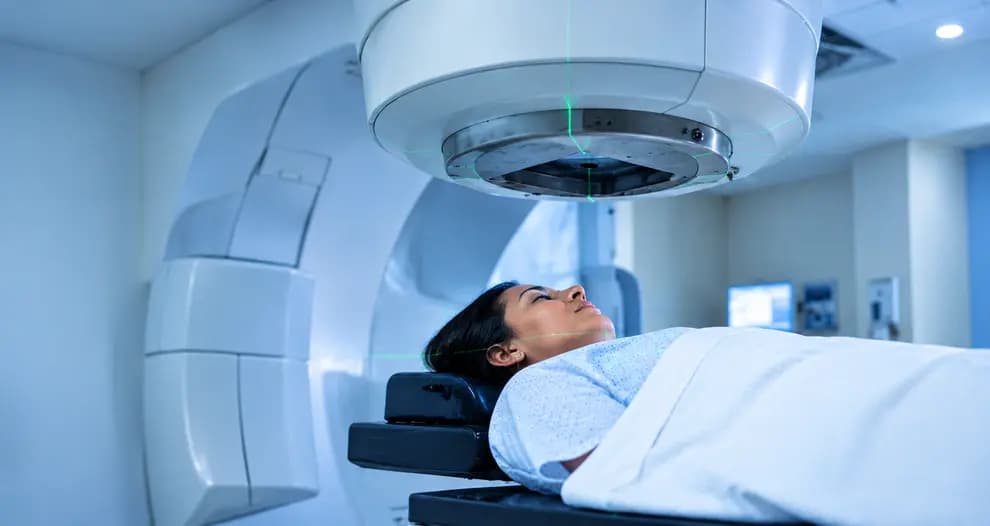
| Radiation Therapy (full course) | INR 1.5 lakh – 4 lakh |
| Targeted Therapy (per month) | INR 80K – 3 lakh |
| Immunotherapy (per cycle) | 1.5 lakh – 4 lakh |
| SBRT / Stereotactic Radiotherapy | INR1.5 lakh – 3.5 lakh |
| Diagnostic Workup (initial) | INR 67K – 1.5 lakh |
Note: These are indicative figures. Actual costs depend on the patient's diagnosis, cancer stage, hospital, and personalised treatment plan.
Overall, the average total cost of lung cancer treatment in India ranges from approximately INR 1.3 lakh to INR 7.5 lakh for standard treatment, and may exceed INR 15–20 lakh for prolonged or complex multi-modality treatment regimens.
Stage-by-Stage Cost Expectations
Understanding cost by stage helps with realistic financial planning:


Stage I & II (Localised): Surgery is the primary treatment. Where minimally invasive VATS is possible, costs are lower and recovery is faster. Total cost in the ₹2.5 lakh – ₹6 lakh range is typical.
Stage III (Locally Advanced): Treatment usually involves concurrent chemoradiation, sometimes followed by immunotherapy maintenance. Costs climb to ₹5 lakh – ₹12 lakh depending on the number of cycles and duration.
Stage IV (Metastatic): This is where costs are hardest to predict. Targeted therapy (if a driver mutation like EGFR or ALK is present) or immunotherapy becomes the backbone of treatment.
Monthly costs can be substantial, and treatment is often ongoing rather than time-limited. Biomarker testing upfront is critical here, identifying an actionable mutation can not only improve outcomes but sometimes reduce overall costs compared to non-targeted chemotherapy.
Financial Assistance & Insurance Coverage Options
Lung cancer treatment can become financially challenging when surgery, chemotherapy, radiation, and long-term medicines are combined. Baby Memorial Hospital offers multiple support pathways to help reduce this burden for both Indian and international patients.
Government Health Schemes (KASP & PM-JAY)
Ayushman Bharat (PM-JAY), implemented in Kerala through KASP, provides eligible families with coverage of up to INR 5 lakh annually. As an empanelled hospital, BMH Kozhikode offers cashless access to standard lung cancer surgery, radiation, and selected chemotherapy treatments. A dedicated KASP helpdesk assists with eligibility checks, approvals, and documentation.
Private & International Insurance
BMH works with major insurers including Star Health and Allied Insurance, Niva Bupa, and HDFC ERGO. For overseas patients, the International Patient Services (IPS) team supports pre-authorisation, medical documentation, and cost estimates. Many insurers now cover robotic surgery, targeted therapy, and immunotherapy when clinically indicated.
Patient Access Programs (PAP)
To reduce the cost of immunotherapy and targeted therapy, BMH coordinates with pharmaceutical-sponsored Patient Access Programs. These may include discounted cycles, helping lower treatment expenses by 30–40% for eligible patients.
Even when treatment costs are lower, choosing the right cancer centre remains critical. Long-term outcomes in lung cancer depend not only on affordability, but also on multidisciplinary expertise, advanced diagnostics, precision treatment planning, and structured recovery support.
Why Choose Baby Memorial Hospital for Lung Cancer Care?
At Baby Memorial Hospital, lung cancer care is designed around an integrated oncology model that combines advanced technology, evidence-based treatment planning, and supportive rehabilitation services under one system.
Through the NAVA Cancer Institute, patients have access to specialised diagnostics, multidisciplinary cancer specialists, modern radiation infrastructure, and post-treatment recovery programmes, while still benefiting from the affordability advantage of a Tier-2 healthcare destination like Kozhikode.
But advanced infrastructure alone does not improve outcomes, coordinated clinical decision-making is equally important.
Every lung cancer case at BMH is reviewed by a multidisciplinary team of surgical, medical, and radiation oncologists. This collaborative model helps ensure patients receive evidence-based treatment while reducing unnecessary procedures and avoidable expenses.
For many families, however, the total cost of treatment also depends on where the hospital is located.
Choosing BMH Kozhikode over larger metro cities can significantly reduce non-medical expenses such as accommodation, hospital room charges, diagnostics, and support services without compromising NABH-accredited care standards.
If you or a loved one has been diagnosed with lung cancer, the oncology team at BMH can help you understand your treatment options, expected costs, and whether surgery, radiation, targeted therapy, or immunotherapy is the right approach for your specific case.
Get Expert Lung Cancer Guidance at Baby Memorial Hospital.
Conclusion
Lung cancer treatment in India is far more accessible today, especially when patients receive early staging and molecular testing to guide the right treatment plan from the beginning. Costs can range from approximately INR 1.3 lakh for early-stage treatment to INR 15 lakh or more for advanced, multi-modality care, depending on the cancer stage and therapy required. With government schemes, insurance coverage, and institutional support, quality cancer care is becoming more financially reachable for many families.
Speak with the oncology specialists at Baby Memorial Hospital for personalised treatment guidance and cost planning.