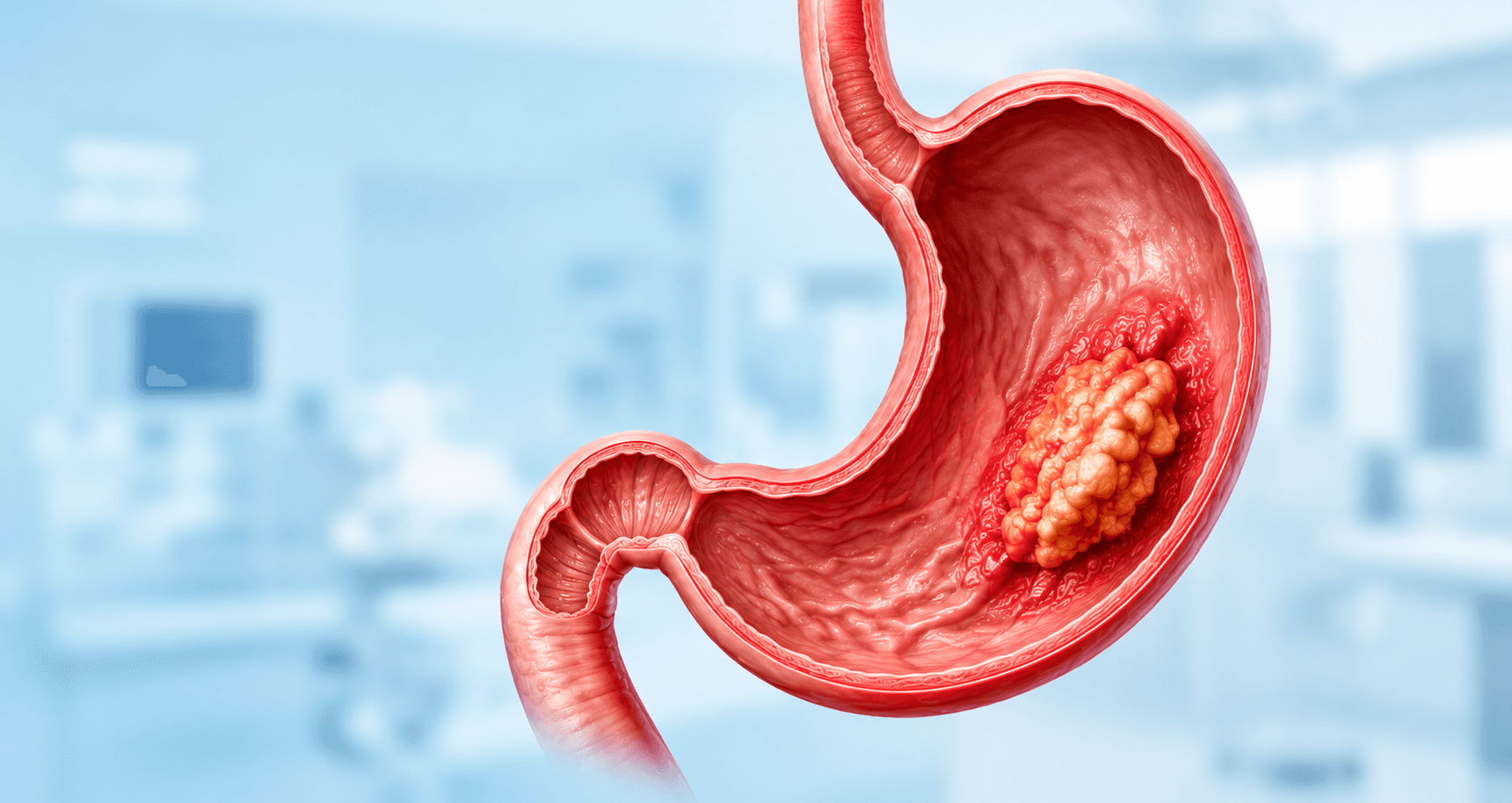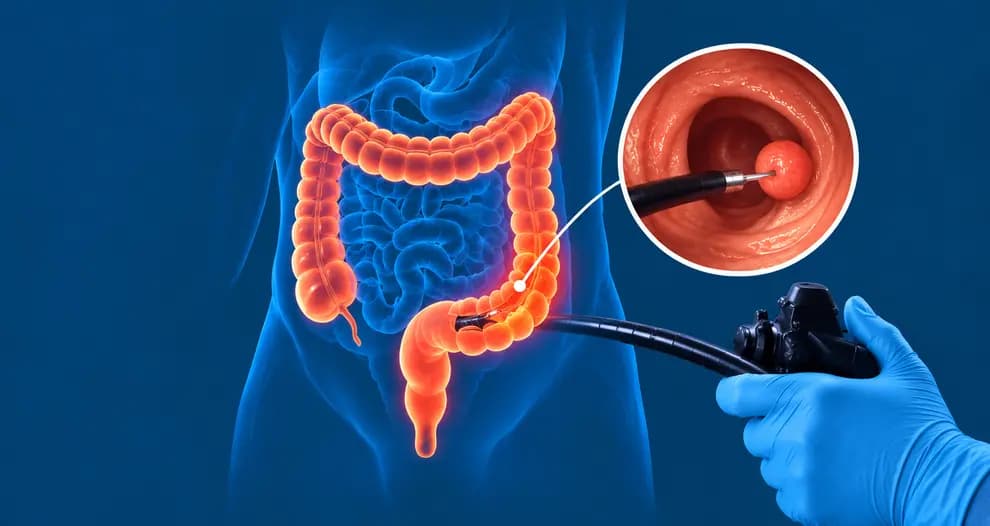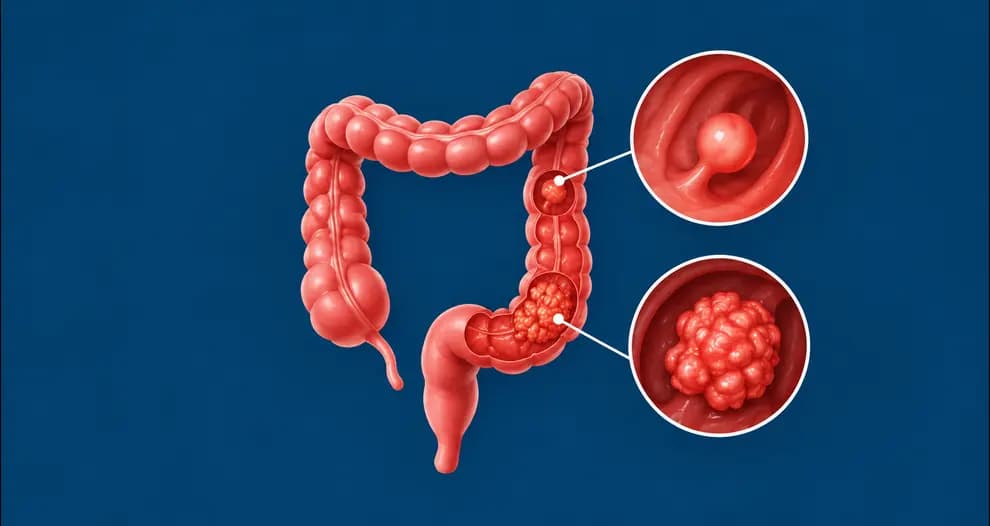

Every year, millions of people face one of the hardest questions in medicine: What kind of cancer treatment is right for me? With rapid advances in oncology, patients today have more options than ever before, but that also means more complexity. Two treatments that frequently come up in this conversation are targeted therapy and chemotherapy.
According to research published in PMC, patients with advanced non-small cell lung cancer who received targeted therapy had a median progression-free survival of 13.1 months, compared to just 7.2 months in patients who received standard chemotherapy, nearly double the survival benefit.
This difference matters enormously, not just in numbers, but in quality of life. Yet despite these advances, chemotherapy continues to save lives for millions of patients worldwide. Neither treatment is universally superior; the right choice depends on the cancer type, its molecular profile, stage, and the patient's overall health.
This article breaks down both treatments in plain language: how they work, how they differ, their side effects, costs, and what questions to ask your oncologist before choosing a path forward.
What Is Chemotherapy?
Chemotherapy is one of the oldest and most widely used cancer treatments in modern medicine. It uses powerful chemical drugs that travel through the bloodstream to destroy cancer cells throughout the body. Its core principle is targeting rapidly dividing cells, a defining characteristic of cancer.
Because cancer cells divide at unusually fast rates, chemotherapy drugs interrupt this process, preventing them from multiplying. However, chemotherapy cannot distinguish between cancerous cells and healthy fast-dividing cells, such as those in hair follicles, the lining of the digestive tract, and bone marrow. This is why side effects are common and can be severe.
How Chemotherapy Is Delivered
- Intravenously (IV): Infused through a vein, often in cycles at a clinic or hospital
- Orally: Taken as tablets or capsules at home
- Combination regimens: Often paired with surgery, radiation, or targeted therapy for greater effectiveness
Oncologists typically design chemotherapy in cycles, periods of treatment followed by rest to allow the body time to recover between rounds.
What Is Targeted Therapy?
Targeted therapy is a newer, more precise form of cancer treatment. Rather than attacking all fast-dividing cells, it focuses specifically on genetic mutations, abnormal proteins, or molecular pathways that drive cancer cell growth, leaving most healthy cells unharmed.
The concept is straightforward: cancer cells often have unique mutations that cause specific proteins to behave abnormally and signal uncontrolled growth. Targeted therapy drugs are designed to block these specific faulty signals.
As the National Cancer Institute (NCI) explains, most targeted therapies work by interfering with specific proteins that help tumours grow and spread, something traditional chemotherapy cannot do selectively.
The Two Main Types of Targeted Therapy
1. Monoclonal Antibodies
These are large protein-based drugs that target receptors or proteins on the surface of cancer cells. They can block growth signals, mark cancer cells for immune destruction, or deliver toxic substances directly to the tumour. Names of these drugs often end in "-mab" (e.g., trastuzumab, bevacizumab, rituximab).
2. Small-Molecule Inhibitors
These are smaller compounds that can enter cancer cells and block signals from within. They typically target enzymes called kinases that drive cell division. Their names often end in "-ib" (e.g., imatinib, erlotinib, gefitinib).
Understanding how these two cancer treatments differ can make treatment decisions feel far less overwhelming.
Targeted Therapy vs Chemotherapy: A Side-by-Side Comparison
While both treatments are used to destroy cancer cells, they work in very different ways and come with different side effects, timelines, and outcomes. Knowing these differences can help you better understand what your doctor may recommend for your specific cancer type and stage.
Here’s a clear comparison of targeted therapy and chemotherapy across the factors patients most commonly want to understand:
| Feature | Chemotherapy | Targeted Therapy |
|---|---|---|
| Mechanism | Attacks all fast-dividing cells | Targets specific cancer mutations |
| Precision | Broad / non-selective | Highly selective |
| Side effects | Often severe (hair loss, nausea, fatigue) | Generally milder but distinct (rash, hypertension, liver changes) |
| Administration | IV infusion or oral | IV infusion, oral tablets/capsules |
| Who it works for | Most cancer types | Only cancers with specific mutations |
| Resistance | Develops over time | Can develop; combination therapy helps |
| Cost | Generally more affordable | Typically more expensive |
| Testing required | Not always required | Genetic/biomarker testing essential |
| Systemic reach | Full body (systemic) | Systemic, but molecularly targeted |
Treatment effectiveness is important but for many patients, day-to-day quality of life matters just as much during cancer care.


Side Effects: What Patients Actually Experience
Both chemotherapy and targeted therapy can cause side effects, but the type, severity, and frequency often differ significantly from one patient to another. Your experience may also depend on the cancer type, treatment duration, dosage, and overall health condition.
Here’s a closer look at the side effects patients commonly report with each treatment approach:
Chemotherapy Side Effects
Because chemotherapy affects healthy cells alongside cancer cells, side effects can significantly impact daily life:
- Fatigue: one of the most commonly reported and debilitating effects.
- Nausea and vomiting: often manageable with modern anti-nausea medications.
- Hair loss (alopecia): temporary in most cases; regrowth typically occurs after treatment ends.
- Lowered immunity: damage to bone marrow reduces white blood cells, increasing infection risk
- Mouth sores (mucositis): painful ulcers in the mouth and throat
- Peripheral neuropathy: tingling, numbness, or pain in hands and feet
- Anaemia: caused by reduced red blood cell production
Targeted Therapy Side Effects
While generally considered less harsh than chemotherapy, targeted therapy still carries real risks:
- Skin rashes: very common, particularly with EGFR inhibitors; usually manageable
- High blood pressure (hypertension): especially with VEGF inhibitors like bevacizumab
- Liver toxicity: elevated liver enzymes requiring regular monitoring
- Gastrointestinal issues: diarrhoea, nausea, loss of appetite
- Fatigue: present in most targeted therapy patients though typically milder
- Wound healing problems: some targeted drugs affect blood vessel growth, slowing healing
For many families, the financial impact of cancer treatment becomes an important part of the treatment decision process.
Cost Considerations: An Honest Look
One of the most practical, and often under-discussed, factors is cost. Targeted therapy, due to its complexity, the need for prior biomarker testing, and its newer development, tends to be significantly more expensive than conventional chemotherapy.
The cost difference can be substantial. In many healthcare systems, targeted therapies can cost several times more per treatment cycle than standard chemotherapy regimens.
However, several factors affect affordability:
- Generic and biosimilar availability: As patents expire, some targeted drugs are becoming more affordable
- Hospital expertise and sourcing: Experienced cancer hospitals with established pharmaceutical networks often have better procurement pricing
- Combined approach: Using targeted therapy only when genetically indicated avoids unnecessary cost
- Medical tourism: For international patients, high-quality cancer treatment in countries like India can offer comparable outcomes at a fraction of the cost seen in Western healthcare systems
Not every cancer responds to the same treatment approach, which is why doctors carefully personalise treatment plans for each patient.
When Is Each Treatment Used?
Chemotherapy and targeted therapy are used in different clinical situations depending on the cancer type, stage, genetic profile, and overall treatment goals. In some cases, doctors may even combine both treatments to improve outcomes.
Your oncologist will likely recommend chemotherapy when:
- The cancer type lacks a known targetable mutation
- Cancer has spread rapidly and requires immediate systemic treatment
- The goal is to shrink a tumour before surgery (neoadjuvant)
- You are receiving post-surgery treatment to reduce recurrence risk (adjuvant)
- The cancer is a blood malignancy (leukaemia, lymphoma, multiple myeloma)
Your oncologist will likely recommend targeted therapy when:
- Biomarker testing confirms a specific actionable mutation (EGFR, ALK, BRAF, HER2, RAS, etc.)
- The cancer is at an advanced stage with a known molecular driver
- Reducing systemic side effects is a priority (e.g., elderly patients, fragile health)
- First-line chemotherapy has stopped working and a targeted agent is available
- The cancer type has an established targeted therapy protocol (e.g., CML, certain lung, breast, or colorectal cancers)
The success of cancer treatment depends not only on the medication itself, but also on the expertise and infrastructure behind your care.
Getting Cancer Treatment Right: Why the Hospital You Choose Matters
Cancer treatment is not just about selecting the right drug. It is about having the right team, the right diagnostic infrastructure, and the right experience to personalise treatment for each patient's unique biology.
At Baby Memorial Hospital (BMH) in Kozhikode, Kerala, oncology patients benefit from a multidisciplinary cancer care team, including medical oncologists, surgical oncologists, radiation oncologists, and molecular pathologists, who work together to evaluate each case and recommend the most appropriate treatment protocol. BMH is equipped with advanced diagnostic facilities for biomarker and genetic testing, ensuring that patients who are candidates for targeted therapy are identified early and accurately.
BMH is one of the most trusted hospitals in South India, known for delivering world-class oncology care at affordable costs, making it a destination of choice for both domestic patients and international patients from the Gulf, Southeast Asia, and beyond. For families navigating the difficult terrain of a cancer diagnosis, having a hospital that combines clinical expertise with compassionate, cost-transparent care makes an enormous difference.
To speak with an oncology specialist at BMH, contact us here, a first consultation is the right first step.