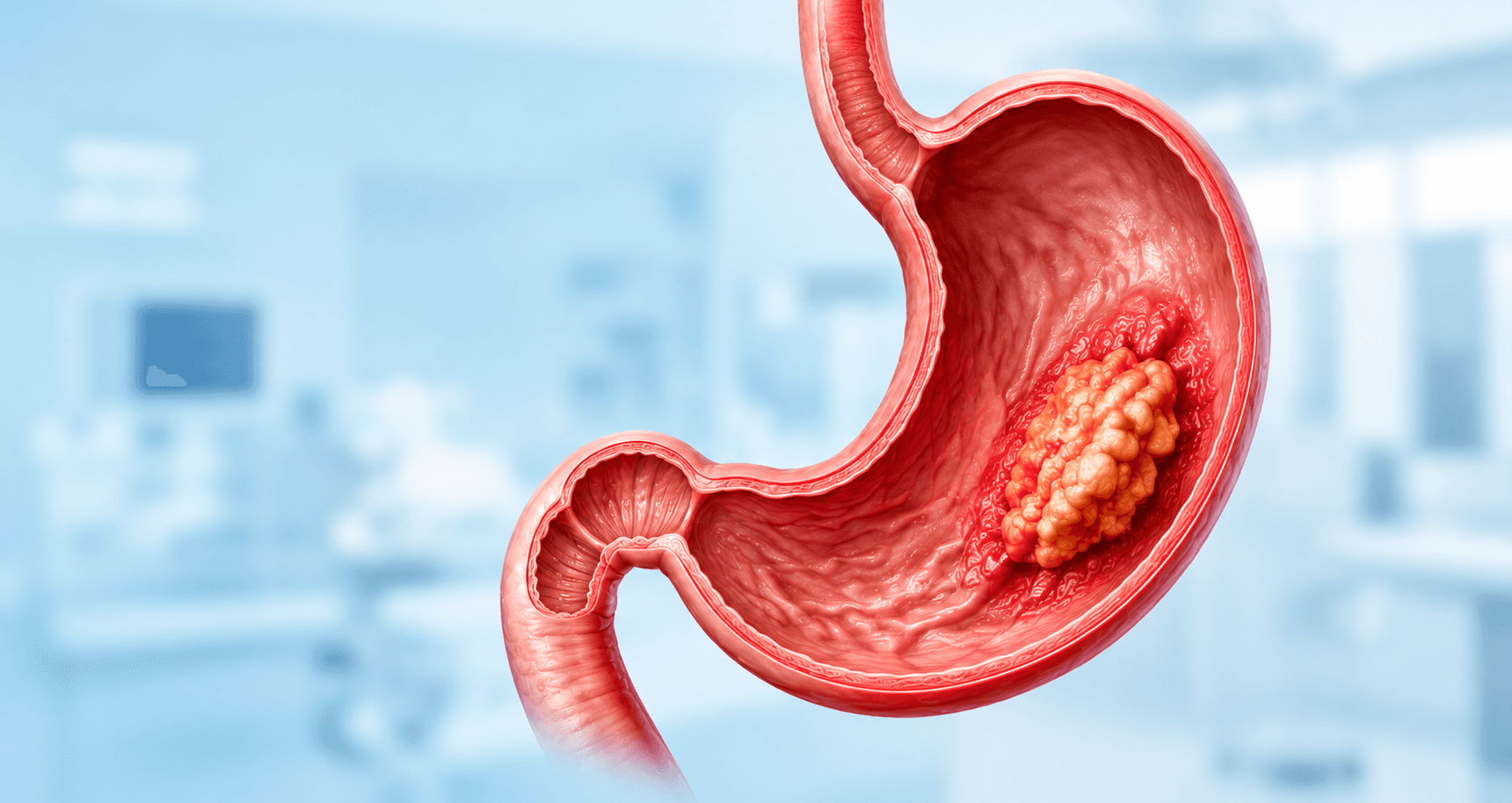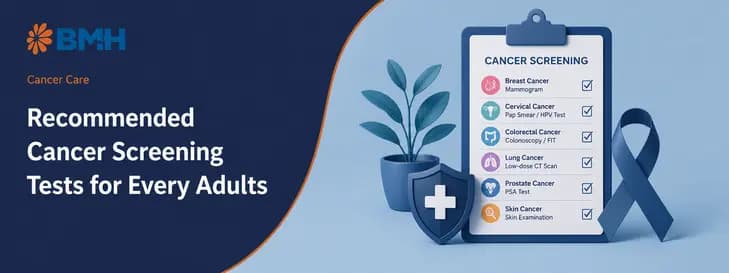

Cancer remains a growing public health concern in India, making early detection more important than ever. Cancer screening tests are designed to identify cancers or precancerous changes before symptoms appear, when treatment is often less complex, more effective, and associated with better outcomes.
However, many adults are unsure which screenings they need, when to begin, or how frequently they should be repeated.
This guide provides a clear, evidence-based overview of the cancer screening tests recommended for adults, including age-specific guidelines, risk factors that may require earlier screening, and what to expect from each test, helping you make informed decisions about your long-term health.
What Is Cancer Screening and Why Does It Matter?
Cancer screening means testing for signs of cancer before any symptoms appear. It's one of the most powerful tools in preventive medicine, not because it eliminates risk, but because it shifts the odds dramatically in your favor.
Screening is not the same as diagnosis. A positive screening result doesn't mean you have cancer, it means further diagnostic tests are needed to find out. Think of it as an early warning signal, not a verdict.
Why does catching cancer early matter so much?
- The 5-year survival rate for many cancers detected at Stage I exceeds 90%
- That same rate can drop below 20% at Stage IV, when the cancer has spread
- Earlier detection generally means less aggressive treatment, better quality of life, and more options
The CDC, alongside the U.S. Preventive Services Task Force (USPSTF), affirms that recommended cancer screening tests carry more benefits than harm, finding cancer early, when treatment is most likely to succeed.
Early detection only works if you know which tests to get, when to start, and how often to repeat them.
Cancer Screening Tests Recommended for Adults by Cancer Type
Guidelines evolve, starting ages have shifted, and new tests have entered the picture. Here's a clear, updated breakdown of what's recommended, and for whom.
The following recommendations align with global guidelines from the American Cancer Society (ACS), U.S. Preventive Services Task Force (USPSTF), and Indian oncology councils, adapted for the Indian adult population.
Here's what current evidence recommends, broken down by cancer type:
1. Breast Cancer Screening (Women)
Breast cancer is the most common cancer among Indian women, and one of the most treatable when caught early. Mammography remains the cornerstone of screening, with guidelines recently updated to start earlier than before.
- Who: Women aged 40 and above (average risk)
- Test: Mammogram, the gold standard. Digital mammography ± digital breast tomosynthesis (DBT)
- Frequency: Every 2 years from age 40–74 per USPSTF 2024 guidelines; many centres recommend annually from age 40
- Clinical insight: Most breast cancers found through screening are smaller and have not spread, dramatically changing treatment options and outcomes.
To support early detection of breast cancer, BMH offers comprehensive breast oncology screening packages, including the Executive Health Check-up – Advanced (For Women) and Master Health Check – Female, featuring mammography alongside other preventive health assessments.
2. Cervical Cancer Screening (Women)
Cervical cancer is one of the most preventable cancers, because pre-cancerous changes can be detected and treated years before cancer develops. Screening protocols have become more streamlined and, as of 2025, more accessible than ever.
- Who: Women aged 21–65
- Tests: Pap smear (cervical cytology) + HPV co-testing
- Frequency: Pap smear alone every 3 years (ages 21–29); HPV test alone or co-test every 5 years (ages 30–65)
- Note: Screening can stop at age 65 with adequate prior negative results
BMH provides cervical cancer screening through packages such as the Well Women Health Check-up and Well Begin – Onco Care, helping support early detection and preventive care.
3. Colorectal Cancer Screening (Men & Women)
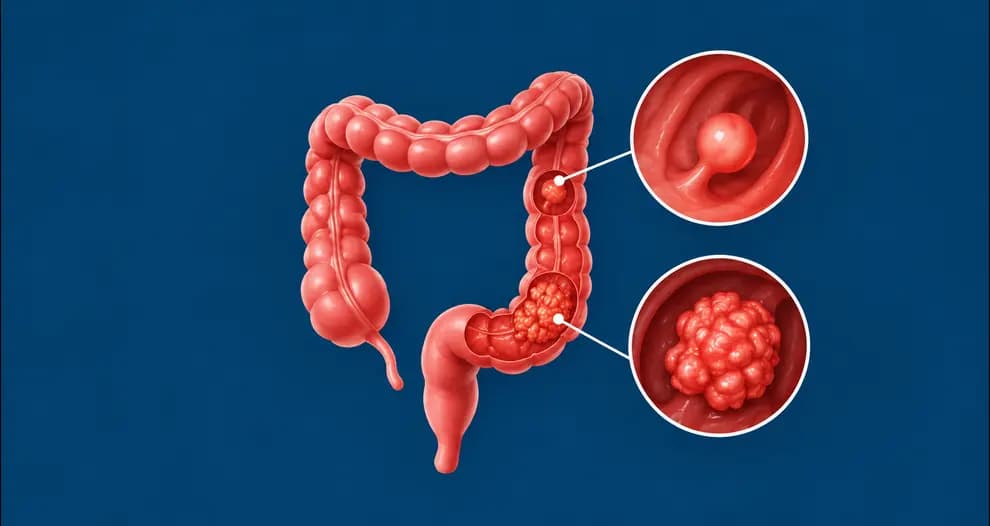
Colorectal cancer doesn't always cause symptoms in its early stages, making scheduled screening essential. The good news: there are now more testing options than ever, including a first-of-its-kind blood-based test.
- Who: Average-risk adults from age 45 (ACS 2026 guideline reaffirmation)
- Preferred tests:
- Colonoscopy every 10 years (ages 45–75) — the most comprehensive option
- Stool-based tests (FIT, stool DNA tests) as alternatives
- High Risk: Those with a family history or prior polyps may need to start screening at 40 or earlier
- Important: Colorectal cancer rates are rising in adults under 50 — don't delay.
To aid in the early detection of colorectal cancer, BMH offers NAVAyug Cancer Screening (Male) and NAVAyug Cancer Screening (Female) packages, which incorporate colorectal screening markers alongside other cancer-focused evaluations.
4. Lung Cancer Screening (Men & Women)
Lung cancer is often diagnosed late, because symptoms like persistent cough or chest pain tend to appear only after the disease has progressed. For high-risk individuals, one annual scan can make all the difference.
- Who: Adults aged 50–80 with a significant smoking history (20+ pack-years), currently smoking or who quit within the past 15 years.
- Test: Annual low-dose CT (LDCT) scan of the chest.
- Why LDCT: It can detect small tumours in the lung long before symptoms appear.
- Not recommended for non-smokers at average risk, the benefit does not outweigh radiation exposure.
BMH offers comprehensive preventive health packages, including Well Begin – Active Life and selected Executive Health Check-up programs, which incorporate chest imaging as part of a broader health and cancer risk assessment.
5. Prostate Cancer Screening (Men)
Prostate cancer grows slowly in many cases, but in others, it's aggressive. Knowing your risk profile helps determine when to start the conversation with your doctor.
- Who: Men aged 50+ (average risk); age 45 for Black men or those with a first-degree relative diagnosed before 65; age 40 for those with multiple first-degree relatives diagnosed with prostate cancer.
- Test: PSA (Prostate-Specific Antigen) blood test ± digital rectal exam
- Important: Prostate screening is a shared decision between patient and doctor. PSA levels can be elevated for non-cancerous reasons, discuss your risk tolerance and health history before screening.
BMH offers a dedicated Prostate Health Checkup package that includes prostate cancer screening and evaluation as part of a comprehensive assessment of men's prostate health.
6. Skin, Thyroid & Other Screenings Worth Knowing
Not every cancer has a formal mass-screening programme, but that doesn't mean risk should go unmonitored. These screenings are especially relevant for specific risk groups and regional populations.
- Skin cancer: No formal mass-screening guideline exists, but annual skin self-checks and dermatologist examinations are recommended for adults with multiple moles, a history of significant sunburn, or a family history of skin cancer
- Thyroid cancer: Rates are rising among women in Kerala. No universal screening guideline exists for average-risk adults, but neck ultrasound may be included in comprehensive packages for those with symptoms or thyroid nodules
- Oral cancer: Highly relevant for tobacco and betel nut users across India, an annual oral examination by a doctor is strongly advised
- Ovarian cancer: No reliable general-population screening test currently exists; screening is reserved for high-risk individuals, such as BRCA carriers
Also Read: Which is the Best Hospital for Thyroid Cancer Treatment in Kerala?
Knowing which test applies to you is only half the equation, the other half is knowing when to start.
Who Needs Cancer Screening and When? (Quick-Reference Guide)
Guidelines vary by age, gender, and personal risk factors, and the right time to start screening isn't the same for everyone. Use this table as a quick reference to see where you stand.


Here's a snapshot of current recommendations at a glance:
| Cancer Type | Who | Starting Age | Test | Frequency |
|---|---|---|---|---|
| Breast | Women | 40 | Mammogram | Every 1–2 years |
| Cervical | Women | 21 | Pap / HPV test | Every 3–5 years |
| Colorectal | Men & Women | 45 | Colonoscopy / Stool test | Every 1–10 years |
| Lung | High-risk smokers | 50 | LDCT | Annually |
| Prostate | Men | 50 (40–45 if high risk) | PSA test | Per doctor recommendation |
| Oral | Tobacco/betel users | Any adult | Clinical oral exam | Annually |
A table tells you what to screen for, but knowing what to expect on the day can make all the difference between booking that appointment and putting it off.
What Actually Happens During a Cancer Screening?
For many people, uncertainty about the process is what delays screening the most. Here's a plain-language walkthrough of the most common tests, so there are no surprises. Each screening is straightforward, quick, and far less daunting than most people expect:
1. Mammogram (Breast Cancer Screening)
Your breast is briefly compressed between two plates while an X-ray captures a clear image, the whole appointment takes under 20 minutes. Most women experience mild pressure at most, not pain. Results are reviewed by a radiologist within a few days, and a callback for additional imaging is common and rarely cause for alarm.
2. Pap Smear + HPV Test (Cervical Cancer Screening)
A small sample of cervical cells is collected using a soft brush during a routine pelvic exam, the collection itself takes under two minutes. Mild pressure is possible but discomfort is brief. Results return within 1–2 weeks, and an abnormal result most often indicates cell changes that need monitoring, not cancer.
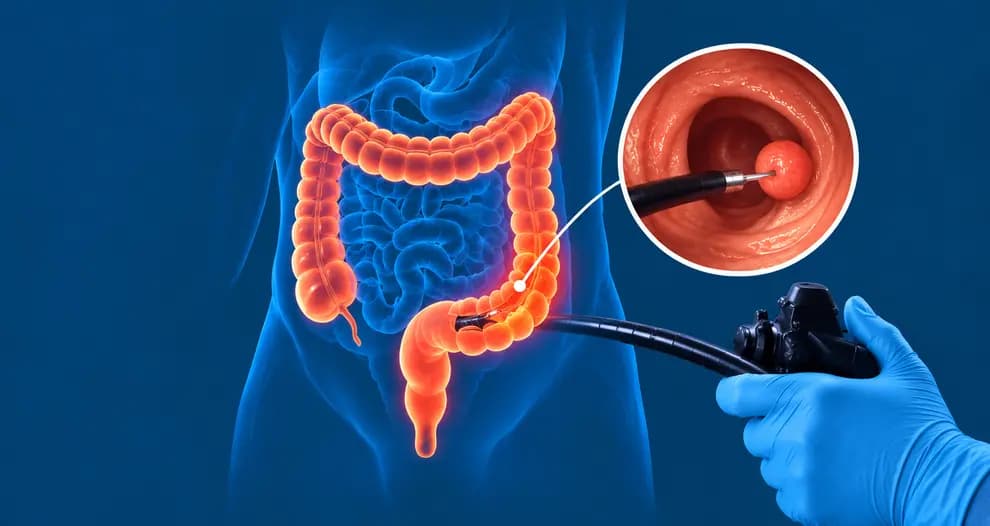
3. Colonoscopy (Colorectal Cancer Screening)
A thin, flexible camera is guided through the colon while you're under sedation, most patients feel nothing and remember little. The procedure takes 30–60 minutes, though the bowel-cleansing preparation the day before is what most people find most demanding. If polyps are found, they can often be removed on the spot during the same procedure.
4. Low-Dose CT Scan (Lung Cancer Screening)
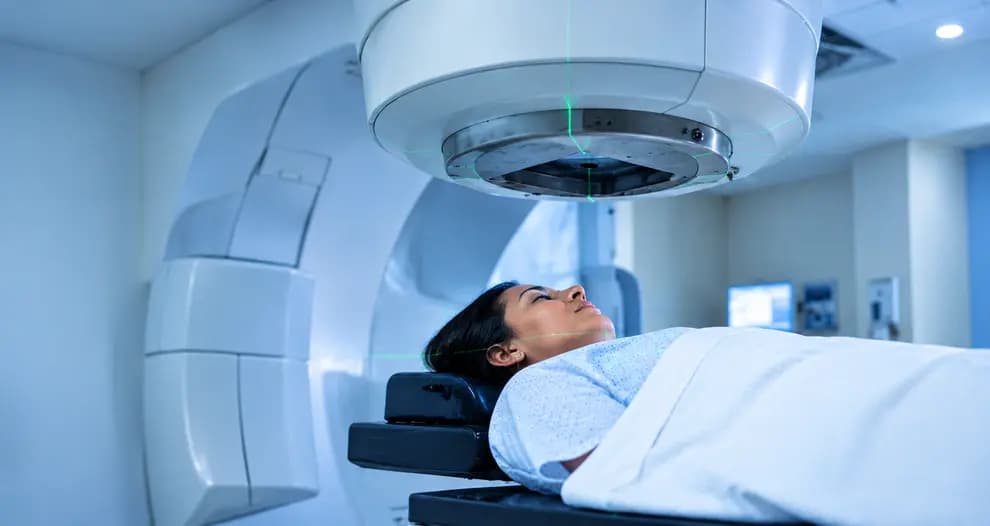
You lie still on a table that passes through a ring-shaped scanner, no injections, no dye, no discomfort, and it's over in under 10 minutes. The scan captures detailed images of the lungs using a low radiation dose. A radiologist reviews the images for nodules or abnormalities, and most findings turn out to be benign.
5. PSA Blood Test (Prostate Cancer Screening)
A standard blood draw, a brief pinch, five minutes, done. The sample is tested for PSA levels, which can signal prostate changes worth investigating. An elevated result doesn't mean cancer; your doctor will interpret it alongside your age and health history before recommending any next step.
Also Read: Which Is the Best Oncologist in Kozhikode for Expert Cancer Treatment?
Knowing what to expect from a screening is important, but where you screen shapes the quality of every result that follows.
BMH Cancer Screening Programs: Designed for Early Detection
Not all screening facilities are equal. In a state with India's highest cancer burden, the difference between a good facility and the right one can directly affect what gets detected, and how quickly care follows.
Baby Memorial Hospital has built one of the most comprehensive cancer screening ecosystems in the region, and here's what sets it apart:
-
Dedicated Cancer Screening Packages: BMH offers purpose-designed packages; Cancer Screening (Male & Female), NAVAyug Cancer Screening, Well Begin – Onco Care, and Master Health Check with Mammogram, covering the full spectrum of screenable cancers for Indian adults. There's no piecing together separate tests; each package is built as a complete clinical picture.
-
Radiologist-Read Mammography: BMH uses digital mammography with results interpreted by experienced radiologists, a critical quality differentiator. Reader expertise directly affects detection accuracy, and that expertise is built into every scan.
-
Oncology Depth: Behind Every Screening Unlike standalone diagnostic centres, BMH's screening is backed by a full oncology department. If a result requires follow-up, the same hospital can take the next step, no referrals, no delays, no starting over.
-
Gender-Specific Packages: Separate, thoughtfully designed packages for men and women cover thyroid, ovarian, prostate, lung, and other markers specific to each, so nothing clinically relevant is left off the list.
-
Integrated Doctor Consultation: Screening results are explained in clinical context by a doctor as part of most packages, not handed over as a raw lab report. That conversation is where screening becomes genuinely actionable.
-
Five-City Presence Across Kerala: With centres in Kozhikode, Kannur, Thodupuzha, Payyanur, and Vadakara, BMH brings structured screening access to the population most at risk, across North and Central Kerala, without the need to travel far for quality care.
Explore BMH's full range of health care packages for cancer screening, designed for men, women, and every stage of adult health, and book the one that fits your age, risk profile, and schedule.
Conclusion
Cancer does not announce itself. It grows quietly, often for years, before a symptom appears, and by then, the window for the easiest, most curative treatment may have already closed. The cancer screening tests outlined in this guide exist because early detection works.
A mammogram, a colonoscopy, a PSA test, each is a small investment of time that can return decades of life. If you have been putting off your screening, make this the month you schedule it. Your future self will thank you.
Chat with our assistant at BMH today and she will help you figure out which cancer screening tests are right for your age, gender, and health history.
Medical disclaimer This article is intended for general informational purposes only and does not constitute medical advice, diagnosis, or treatment. Screening recommendations vary based on individual health history, family risk, and clinical judgement, always consult a qualified doctor or specialist before making any healthcare decisions. Baby Memorial Hospital's packages are listed as reference; actual screening protocols will be determined by your treating physician at the time of consultation.