
A cancer diagnosis rarely comes with a single, clear path. Treatment plans can vary significantly depending on the specialist, hospital, and available technology. This uncertainty is exactly why a second opinion plays a critical role in cancer care.
Studies indicate that treatment recommendations change in 12% to 69% of cancer cases after a second opinion. Yet, only around 29% of patients seek one, often due to logistical challenges, cost concerns, or limited access to specialists.
Remote consultations now make expert advice accessible worldwide. India has become a preferred destination for affordable, high-quality oncology care.
Baby Memorial Hospital (BMH) has reimagined this process through remote oncology consultation. Based in Kerala and NABH-accredited for quality and patient safety, BMH now provides online oncology consultation in India that connects patients worldwide with over 40 specialised oncologists in a single coordinated review.
Following the 2026 launch of the NAVA Cancer Institute, this service has been upgraded to include real-time molecular pathology review and 4D-radiation planning audits. This article explores why second opinions matter, how remote consultation works, and how BMH's multi-disciplinary approach brings world-class cancer expertise to your location, without the cost or delay of international travel.
Why Second Opinion for Cancer Matters: Expert Guidance When You Need It?
A second opinion is a formal clinical assessment of your cancer diagnosis and proposed treatment plan by an independent, qualified oncologist. Unlike a casual discussion with a friend, a medical second opinion involves a detailed review of pathology reports, imaging scans (CT, MRI, PET-CT), laboratory results, and the clinical history, followed by an expert written analysis.
In 2026, this also includes an audit of genomic markers, including PD-L1, EGFR, and ALK, to ensure targeted therapies are used appropriately.
The Indian Society of Oncology (ISO) and guidelines aligned with the National Cancer Grid of India recommend second opinions, particularly in these scenarios:
- Rare or unusual tumour types (e.g., sarcomas or neuroendocrine tumours)
- Treatment recommendations that differ significantly from standard protocols
- Early-stage disease where treatment intensity choices are complex
- Metastatic (advanced) cancer requiring multi-modality therapy
- Patients under 50 years with newly diagnosed malignancy
There are different types of second opinions depending on your needs:
- Diagnostic second opinion: Focuses on confirming the accuracy of your cancer diagnosis
- Treatment second opinion: Evaluates and refines your current treatment plan
- Multidisciplinary tumour board review: A team of specialists (medical, surgical, and radiation oncologists) jointly assess your case for a more comprehensive strategy
Importantly, a second opinion does not replace your primary oncologist. Instead, it complements their advice, helping you make more informed, confident decisions about your care.
Before you decide on a treatment path, it is important to understand why a second opinion can significantly impact outcomes and decision-making in cancer care.
Why a Second Opinion Matters in Oncology
A second opinion is a critical safeguard in cancer treatment planning. It helps ensure that your diagnosis is accurate, your treatment approach is appropriate, and all available options have been considered. In many cases, it can directly influence outcomes, costs, and quality of life.
Here’s how a second opinion makes a meaningful difference:
1. Improves Accuracy of Diagnosis
Studies show that 11–15% of cancer pathology reports contain major discrepancies, which can significantly impact treatment decisions . Broader research also reports diagnostic differences in up to 25% or more cases, highlighting the need for expert review .
2. Optimises Treatment Plans
Second opinions lead to clinically meaningful treatment changes in over one-third of patients . Treatment or diagnosis refinement occurs in a significant proportion of cases, ensuring more appropriate care pathways.
3. Reduces Overtreatment or Undertreatment
Second opinions help avoid unnecessary aggressive treatments and reduce missed interventions. Evidence shows they improve diagnostic agreement and reduce both over- and under-treatment risks .
4. Provides Confidence and Clarity
Cancer decisions are complex. A second opinion offers reassurance, clarity, and better understanding of your condition, helping you make informed choices with reduced anxiety. Many diagnoses are refined rather than completely changed, improving decision confidence .
5. Access to Specialised Expertise
For rare or complex cancers, second opinions from specialised centres or tumour boards provide deeper clinical insights and more accurate treatment strategies, often identifying additional findings or missed details .
Before you explore where to seek a second opinion, it is important to understand how remote oncology consultations make expert cancer care accessible, without the need to travel.
What Is Remote Oncology Consultation?
A remote oncology consultation is a virtual second opinion delivered through telemedicine, allowing you to connect with experienced cancer specialists from anywhere in the world.
It removes geographical barriers while ensuring you still receive expert clinical evaluation.
A typical remote consultation includes:
- Medical report review: Detailed assessment of your diagnosis, lab reports, and treatment history
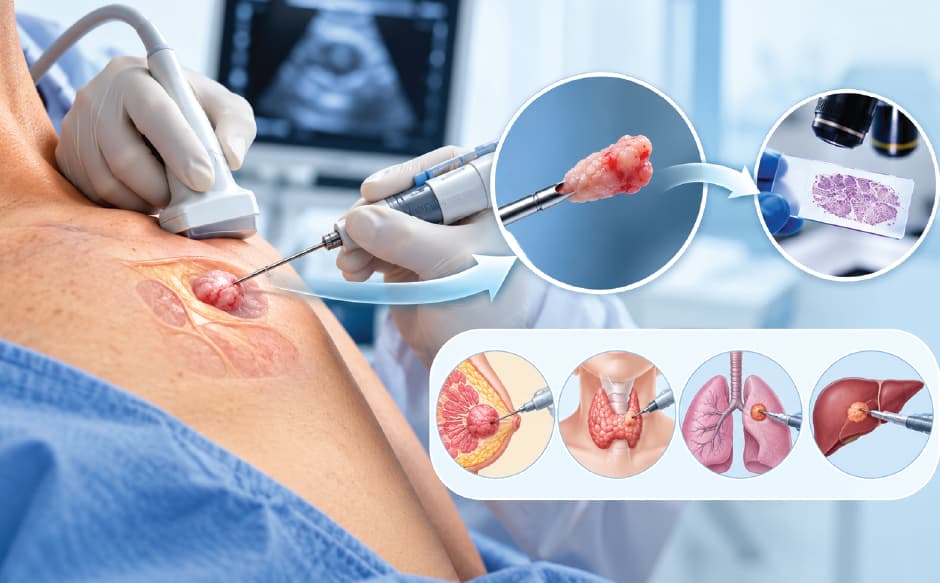
- Imaging and pathology analysis: Re-evaluation of scans (CT, MRI, PET) and biopsy results
- Video consultation with an oncologist: Direct interaction to discuss findings, clarify doubts, and explore next steps
Before choosing where to get your second opinion, it is important to understand how a hospital’s expertise, technology, and consultation process directly impact the quality of insights you receive.
Online Oncology Consultation in India: BMH's Remote Expert Services
BMH's online oncology consultation in India is not a telehealth chat or a cursory email review. It is a structured, multi-specialist assessment delivered over a secure, encrypted platform that meets India's Clinical Establishments Act requirements for data security and patient confidentiality.
The consultation process includes:
1. Document submission and preliminary review: Patient uploads pathology reports, imaging studies, laboratory results, and clinical summaries via BMH's secure patient portal.
2. Multi-disciplinary expert analysis: The case is reviewed by oncologists specialising in the relevant cancer type (breast, gastrointestinal, haematological, thoracic, etc.), supplemented by input from surgical and radiation oncology specialists as needed.
3. Detailed written report: A comprehensive, point-by-point assessment of the diagnosis, staging, and recommended treatment options, delivered in 5–7 working days.
4. Live consultation (optional): Patients can schedule a one-to-one video call with the lead reviewing oncologist to discuss the findings, ask questions, and clarify next steps.
Before choosing a hospital, it is important to understand the quality standards that ensure reliable and safe cancer care.
BMH's NABH Accreditation and Quality Standards
NABH (National Accreditation Board for Hospitals) accreditation is India's gold standard for hospital quality, patient safety, and infection control.
BMH holds current NABH 5th Edition accreditation, meaning all clinical staff, including remote consulting oncologists, adhere to standardised protocols for case review, documentation, and ethical practice.
This ensures that the remote opinion you receive is as rigorously documented as an in-person visit.
All BMH oncologists are registered with the National Medical Commission (NMC) and comply with the Code of Ethics for Indian Physicians, which mandates evidence-based practice, informed consent, and patient confidentiality.
When you receive a second opinion from BMH, you are receiving input from doctors bound by India's highest professional and ethical standards, ensuring that "financial toxicity" is minimized by avoiding redundant tests.
Let's now understand why India is considered highly cost-effective for remote oncology consultations.
Cost of Remote Cancer Second Opinion in India for International Patients
Remote cancer second opinions in India are significantly more affordable compared to global standards, while still offering access to experienced oncologists and multidisciplinary expertise.
On average, the cost typically includes:
- Basic online consultation: INR 800 – INR 3,000 depending on the oncologist and platform
- Structured second opinion services: Around INR 2,999 – INR 10,000 for detailed case reviews
This pricing also positions international patients favourably if they decide to pursue treatment in India.
Many patients use a remote second opinion from BMH as a stepping stone: they gain confidence in a diagnosis and treatment plan, then transition to in-person treatment at BMH or another affiliated centre in India, where treatment costs are 40–60% lower than in Western nations.
By getting the opinion remotely first, patients can apply for their e-Medical Visa with a confirmed treatment plan already in hand.
A structured process makes it easier to seek expert guidance without delaying your cancer treatment decisions.
How to Get a Remote Second Opinion at Baby Memorial Hospital
Getting a remote cancer second opinion at Baby Memorial Hospital is designed to be simple, especially for patients who cannot travel immediately. You can share your reports digitally, consult specialists online, and receive guidance on the next steps before deciding on treatment in India.
Step 1: Initial contact and case eligibility review
Contact BMH's oncology department through the hospital's official website or call the remote consultation desk. Provide a brief clinical summary: cancer type, stage, date of diagnosis, and location of current treatment. BMH staff will confirm that your case type falls within their expertise and provide a cost estimate.
Step 2: Documentation submission
Gather the following documents:
- Pathology report and, if possible, scanned pathology slides or digital images
- Imaging reports (CT, MRI, PET-CT scans, ultrasound) with radiologist's impression
- Lab reports (complete blood count, biochemistry, tumour markers like CEA or CA-125)
- Treatment recommendations from your treating oncologist
- Clinical history summary: age, gender, comorbidities, prior treatments, family cancer history
Upload these to BMH's secure, encrypted patient portal.
Step 3: Fee payment and consent


Pay the consultation fee through BMH's online portal (INR, credit card, or bank transfer). Sign the digital consent form, which outlines confidentiality protections, the scope of the review, and the timeframe for report delivery.
Step 4: Expert review
BMH assigns your case to a lead oncologist specialising in your cancer type, plus supporting specialists from other oncology disciplines as needed. The team reviews all documents, cross-references current ICMR-endorsed protocols and international guidelines (NCCN/ESMO), and prepares a comprehensive written assessment.
Step 5: Report delivery and follow-up
Receive your detailed second-opinion report via secure email within 5–7 working days. The report is formatted for easy sharing with your treating physician. If you've opted for a live consultation, BMH will schedule your video call with the lead oncologist within 7 days of report delivery.
Timeline expectations From submission to report delivery, allow 7–10 working days under normal circumstances. For urgent cases, BMH offers express review (48–72 hours). Emergency same-day reviews are not offered, as they compromise the rigour required for complex cancer assessment.
Patient-Centric Multi-Disciplinary Approach
A hallmark of BMH's second-opinion service is the multi-disciplinary tumour board review. Rather than a single oncologist providing their view in isolation, complex cases are presented to a panel that includes medical, surgical, and radiation specialists. This collaborative approach reduces bias and ensures all viable treatment pathways are considered, including organ-sparing surgeries or de-escalated radiation protocols.
For example, a patient with locally advanced lung cancer might receive input from a thoracic surgeon (regarding resectability), a medical oncologist (regarding neoadjuvant immunotherapy), and a radiation oncologist (regarding concurrent chemoradiotherapy). The patient receives a unified, coordinated recommendation rather than siloed opinions.
Using the Second Opinion in Shared Decision-Making
Once you receive BMH's second opinion, schedule a follow-up appointment with your treating oncologist to discuss alignment or any differences. Many times, the second opinion reinforces the original plan, which provides immense reassurance. If there are differences:
- Ask your treating oncologist to explain how their recommendation differs and why
- Request clarity on evidence supporting each approach (e.g., survival rates vs. quality of life)
- Ask whether they are open to adjusting the plan based on the second opinion
- Consider a three-way discussion (you, your oncologist, and the second-opinion specialist via video call) if major differences exist
Accessing BMH's Ongoing Support
Beyond the formal second-opinion report, BMH offers follow-up consultation packages for patients who use the second opinion to inform treatment decisions. If you later begin treatment elsewhere and have questions about your plan or wish to discuss management of side effects, BMH's oncologists remain available for remote follow-up at a discounted consultation fee.
For patients who elect to proceed with treatment at BMH itself, the second opinion becomes the foundation of your treatment plan, and the reviewing oncologist often transitions to your primary care role with full continuity of information, avoiding the need for redundant "first-visit" tests.
Conclusion
A cancer diagnosis demands certainty. In an era where diagnostic accuracy, treatment options, and prognostic information evolve rapidly, a second opinion for cancer in India is a rational, evidence-based step toward informed decision-making.
For international patients and diaspora communities, the barrier to accessing expert second opinions has historically been distance, cost, and time.
Baby Memorial Hospital's remote oncology consultation service dismantles these barriers. By using secure digital infrastructure, a large and experienced multi-disciplinary oncology team, and NABH 5th Edition quality standards, BMH brings expert second opinions within reach of patients worldwide.
In the complex world of oncology, the "best" treatment is the one that is accurately tailored to the unique biology of your tumor. BMH’s remote experts ensure you find that path.