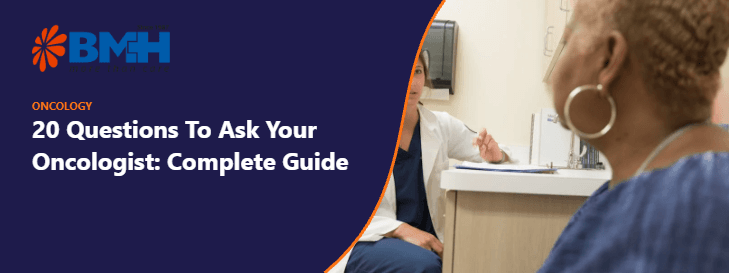

A cancer diagnosis can feel overwhelming, and many patients leave their first oncology appointment remembering less than half of what was discussed. Studies show this is a common response to stress and information overload.
Preparing a written list of questions can help you better understand your diagnosis, treatment options, side effects, costs, and next steps. This guide covers 20 essential questions to ask your oncologist helping patients, caregivers, and those seeking a second opinion approach every appointment with greater clarity, confidence, and control.
How to Prepare Before You See Your Oncologist?
Preparing in advance can help you make the most of your oncology appointment and reduce the stress of trying to remember everything in the moment.
- Bring a support person: A trusted family member, caregiver, or friend can take notes, ask follow-up questions, and help you process important information.
- Ask about recording the appointment: Many cancer centres now allow audio recordings of consultations. Confirm the clinic’s policy beforehand.
- Organise your medical records: Carry pathology reports, CT/MRI/PET scans, blood test results, and a complete list of medications and supplements.
- Prioritise your questions: You may not have time to cover every concern in one visit. Place your most urgent questions at the top of your list.
- Prepare a brief health summary: Include past surgeries, medical conditions, allergies, and any family history of cancer.
- Note personal concerns too: Questions about fertility, work, finances, emotional wellbeing, or family responsibilities are important and should be discussed openly with your care team.
Understanding your diagnosis is the first step toward making informed treatment decisions and reducing uncertainty during an overwhelming time.
Questions About Your Cancer Diagnosis & Stage
Before discussing treatment options, it is important to clearly understand the type of cancer you have, how advanced it is, and what it means for your health. Many medical terms used during early oncology appointments can feel confusing or rushed, which is why asking the right foundational questions matters. These initial questions help you build a clearer picture of your diagnosis, prognosis, testing results, and overall treatment direction.
Below are the first six essential questions every patient or caregiver should consider asking during an oncology consultation.
1. What type of cancer do I have, and where exactly is it located?
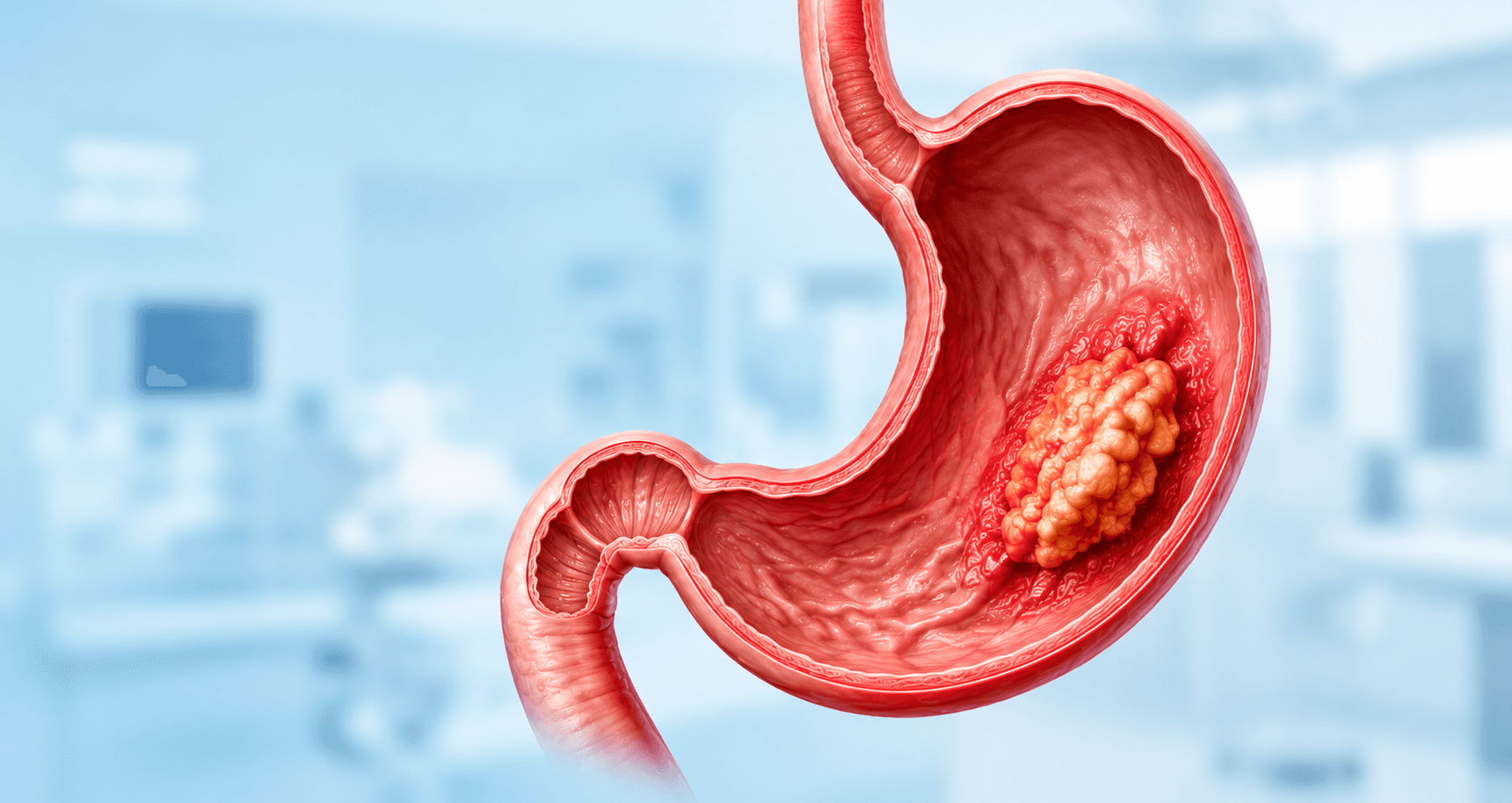
Cancer names reflect their cell origin. For example, adenocarcinoma means the cancer began in glandular cells, whilst squamous cell carcinoma begins in flat surface cells. Your oncologist should confirm the tissue of origin and exact anatomical site, as this determines eligibility for specific drugs and procedures. Understanding the primary site is vital because even if the cancer spreads, it is still named after the original organ (e.g., breast cancer that spreads to the lungs is still treated as breast cancer).
2. What is the stage and grade of my cancer?
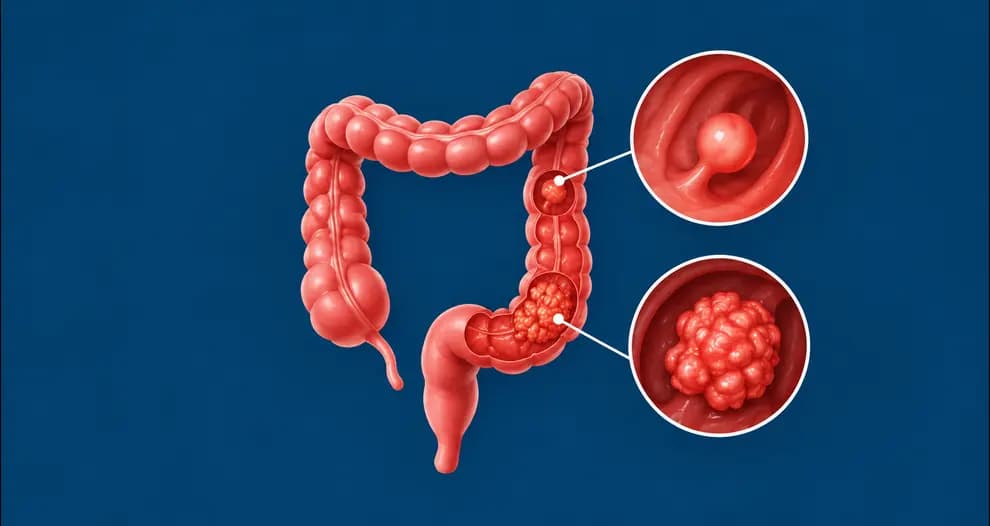
Stage describes how far the cancer has spread (localised, regional, or metastatic), whilst grade indicates how abnormal the cancer cells appear under the microscope. Staging systems vary by cancer type; for example, colorectal cancers use the TNM system (Tumour, Node, Metastasis), whilst lymphomas use a different classification. A high-grade tumor (Grade 3) often grows more aggressively than a low-grade tumor (Grade 1). Request a written summary of your stage and grade for your personal records.
3. Has my cancer spread to other parts of my body?
This question clarifies whether your cancer is localised (confined to one area) or metastatic (spread to distant organs). Metastatic disease typically requires systemic treatment such as chemotherapy or targeted therapy, whereas early-stage cancers may be managed with surgery alone or combined modality therapy. Knowing if the lymph nodes are involved is a critical part of this answer.
4. What tests were used to diagnose and stage my cancer?
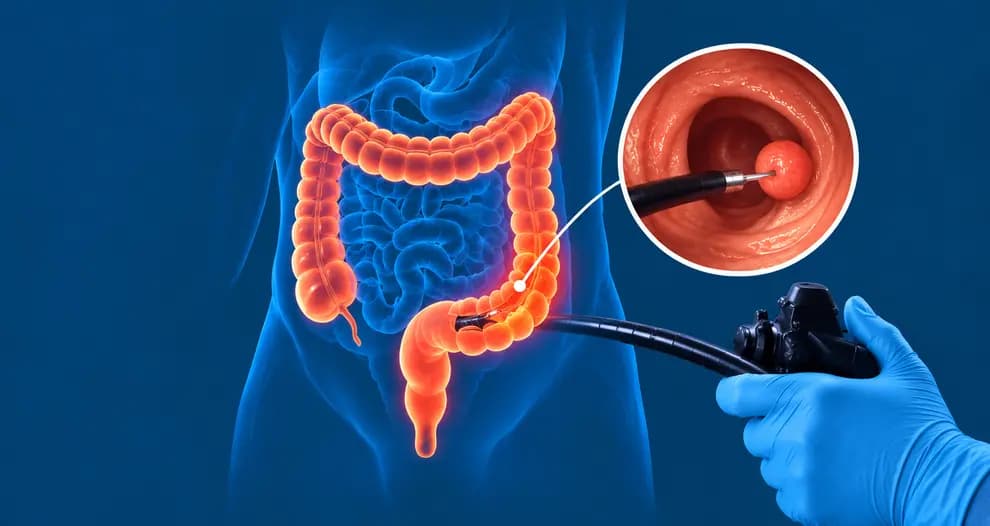
Common diagnostic tools include imaging (CT, MRI, PET scans on DICOM-format discs), biopsies, blood tests, and endoscopy. Understanding which tests confirmed your diagnosis helps you appreciate the evidence behind your diagnosis and prepares you for follow-up imaging during and after treatment. You should ask if the biopsy was an incisional, excisional, or fine-needle aspiration (FNA).
5. Do I have any genetic mutations or biomarkers (via NGS) that affect my treatment?
Modern oncology relies on Next-Generation Sequencing (NGS) to identify mutations (such as EGFR, KRAS, BRAF, or HER2 status) that predict response to targeted therapies. The National Medical Commission (NMC) registered specialists at centers like BMH recommend biomarker testing to optimize treatment selection and determine if you are eligible for specific immunotherapy drugs. Molecular profiling is now a standard of care in 2026 for most solid tumors.
6: Should I consider getting a second opinion before starting treatment?
Seeking a second opinion is common in oncology and is generally encouraged, especially for complex or rare cancers. Another specialist may confirm the diagnosis, recommend a different treatment strategy, or provide reassurance that the current plan is appropriate. Your oncologist should be open to discussing this and may even recommend cancer centres with expertise in your specific condition.
Questions About Treatment Options & Plans
Your oncologist should outline all viable treatment modalities and explain why they recommend a specific approach for your situation.
7. What are all my treatment options, and why do you recommend this particular plan?
Treatment may involve surgical oncology (tumour removal), medical oncology (chemotherapy, targeted therapy, immunotherapy), radiation oncology, or combinations thereof. Your oncologist should justify their recommendation based on your stage, grade, performance status, and comorbidities. Ask for a written treatment plan that includes the sequence and duration of each modality. You may also ask about the "Standard of Care" versus alternative experimental options.
8. Am I a candidate for clinical trials or newer treatments?
India hosts numerous ICMR-registered clinical trials at major institutions including AIIMS centres and NABH-accredited private hospitals. Clinical trials may offer access to newer drugs (approved by the Central Drugs Standard Control Organisation [CDSCO]) before they become standard care. Ask whether trial participation is appropriate for your case, especially if the cancer is refractory to standard therapies.
9. What is the goal of my treatment, cure, control, or chronic management?
This question clarifies your treatment intent. Curative intent aims to eliminate cancer completely; Chronic management (formerly palliative) focuses on controlling disease and optimising quality of life when cure is not possible. In 2026, many advanced cancers are treated as "chronic diseases" that can be managed for years with the right targeted therapies. Honest conversation about intent helps set realistic expectations.
10. How long will my treatment take, and what does a typical treatment week look like?
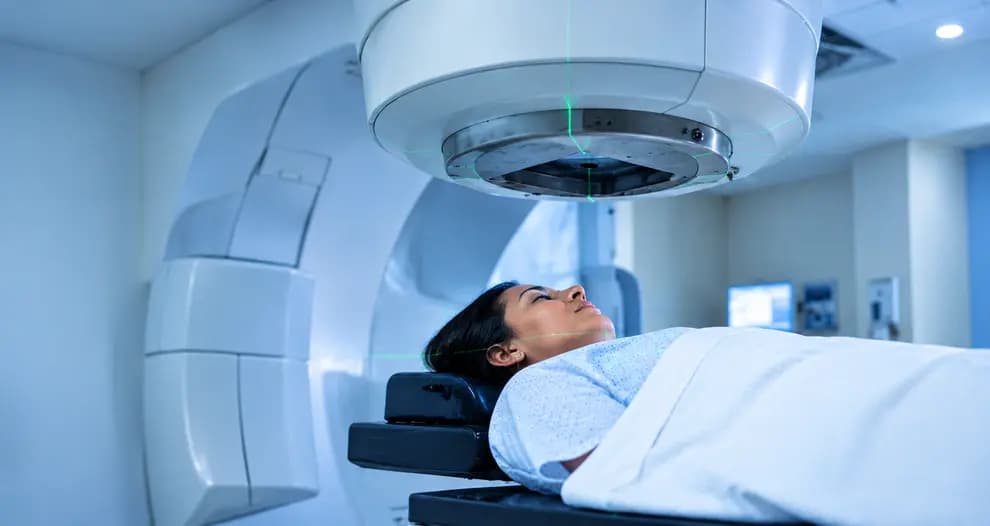
Treatment duration varies widely. Chemotherapy may span 3–6 months with cycles administered weekly or every two to three weeks. Radiation oncology typically involves daily treatments for 4–8 weeks. Understanding the schedule helps you arrange work, childcare, and support during treatment. Ask if the treatment is "Day Care" or requires overnight hospitalization.
11. Will I need more than one type of treatment (surgery, chemotherapy, radiation)?
Multimodal therapy, combining surgery, chemotherapy, and radiation—is standard for many cancers. For example, locally advanced colorectal cancer may require neoadjuvant (preoperative) chemotherapy, surgery, and adjuvant (postoperative) chemotherapy. Understanding the sequence and rationale helps you prepare mentally and logistically for the different phases of care.
Questions About Side Effects & Managing Them
Chemotherapy, targeted therapy, and radiation can cause side effects. Knowing what to expect and how to manage them reduces anxiety and improves treatment tolerance.
12. What side effects are most common with my treatment, and how likely am I to experience them?


Common side effects include nausea, fatigue, hair loss, infections, and anaemia. Frequency and severity vary by drug, dose, and individual factors. Your oncologist should discuss preventive measures, for example, antiemetic (anti-nausea) medications given before chemotherapy, or growth factors to support white blood cell production. Ask for a written list of side effects and management strategies.
13. What symptoms should I report immediately, and what are red flags?
Certain symptoms demand urgent attention: fever (especially if your white blood cell count is low), severe chest pain, difficulty breathing, uncontrolled bleeding, or signs of allergic reaction. Clarify which symptoms warrant a phone call versus an emergency department visit. Many NABH-accredited centres BMH for instance provide 24/7 oncology hotlines for urgent questions.
14. How will side effects be monitored, and what supportive care is available?
Supportive care, medications and strategies to manage side effects, is integral to oncology. This may include anti-nausea drugs (5-HT3 antagonists, NK1 antagonists), blood transfusions for anaemia, antibiotics for infections, and psychosocial support. Ask what supportive measures are included in your treatment plan and any additional costs associated with specialized supportive drugs.
15. Can I continue working, exercising, or my usual activities during treatment?
Many patients tolerate treatment well enough to work part-time or continue gentle exercise. However, fatigue is common and may require rest days. Discuss realistic activity expectations with your oncologist so you can plan accordingly. Exercise has been shown to reduce "chemo-brain" and physical fatigue in many clinical studies.
16. Are there dietary restrictions or supplements I should avoid?
Some dietary components interact with cancer drugs. For example, grapefruit juice inhibits metabolism of certain targeted therapies, potentially raising drug levels to toxic levels. Herbal supplements may also interfere with chemotherapy. Request a dietitian consultation; many Indian hospitals employ qualified oncology dietitians to ensure you maintain weight and muscle mass during therapy.
Questions About Prognosis, Survival Rates & Follow-Up Care
Prognosis is inherently uncertain, but your oncologist can discuss statistical outcomes and what follow-up entails.
17. What is my prognosis, and what are the survival statistics for my cancer type and stage?
Prognosis is a probability estimate based on your cancer type, stage, grade, age, and comorbidities. Statistics are often expressed as five-year survival rates, the percentage of people alive five years after diagnosis.
18. What factors might affect my prognosis, positively or negatively?
Factors include your response to initial treatment, molecular biomarkers (NGS), age, overall health, ability to tolerate treatment, and adherence to follow-up care. Some patients with advanced disease live far longer than statistics predict, whilst others progress despite optimal treatment. This variability underscores that prognosis is a dynamic estimate that may change as treatment progresses.
19. What does follow-up care look like after my treatment ends?
After treatment completion, you'll enter a surveillance phase with scheduled imaging, blood tests, and clinical assessments. Frequency depends on your cancer type and risk of recurrence. Early-stage cancers may require follow-up every 3–6 months initially, then annually; advanced cancers may have more frequent monitoring. Ask for a written follow-up schedule and "Survivorship Care Plan."
20. What are the signs of cancer recurrence I should watch for?
Recurrence symptoms vary by cancer type and location. General signs include new or persistent pain, unexplained weight loss, fatigue, and enlarged lymph nodes. Some recurrences are detected before symptoms appear during scheduled follow-up imaging on DICOM discs. Ask which symptoms warrant a call to your oncologist versus an emergency visit.
Conclusion
Engaging actively with your oncologist through informed questioning is an act of self-advocacy. The 20 questions to ask your oncologist outlined in this guide cover your diagnosis, treatment choices, anticipated side effects, long-term outlook, and practical concerns around cost and support. These conversations foster partnership between you and your medical team, ensuring that your treatment plan aligns with your values and circumstances.
At Baby Memorial Hospital, patients have access to multidisciplinary cancer care supported by advanced diagnostics, experienced oncology specialists, personalised treatment planning, rehabilitation support, and long-term follow-up services under one roof.
Need expert guidance or a second opinion on cancer treatment? Connect with the oncology team at Baby Memorial Hospital for personalised cancer care and consultation.