
Polyps and cancer are not the same thing, but some polyps can develop into cancer over time if left untreated. Understanding the difference and acting early can prevent serious disease and save lives. This guide explains how doctors tell them apart, which polyps carry higher risk, and when you need professional evaluation.
Quick answer A polyp is an abnormal growth on the inner lining of an organ. Cancer is a growth whose cells have broken into deeper layers and can spread. Most polyps stay harmless, but adenomas can slowly turn cancerous if left in place. Only a pathologist, looking at the removed tissue, can say which one you have.
What Is the Difference Between a Polyp and Cancer?
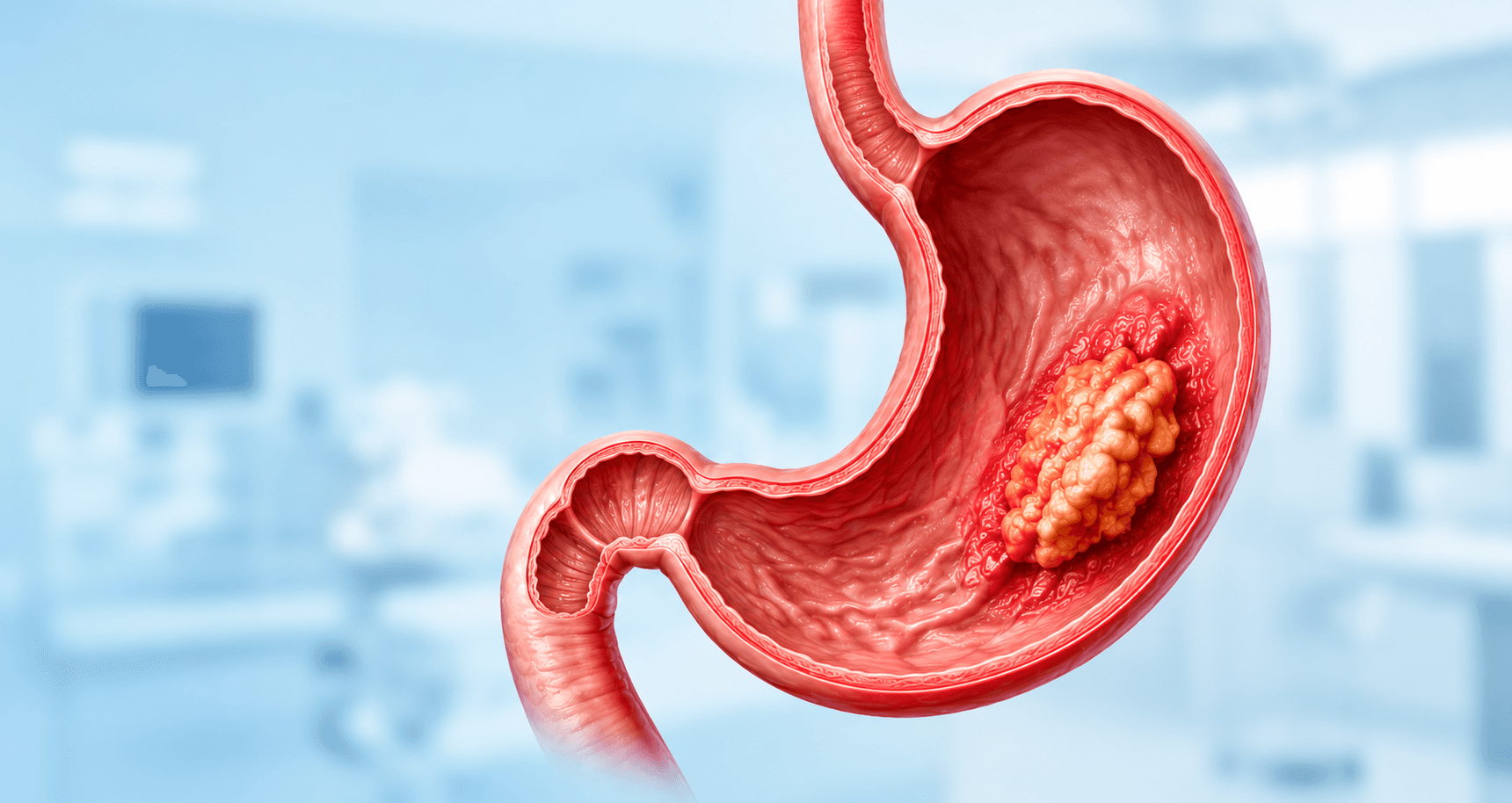
A polyp is a small growth of tissue inside your body, usually found in the colon, stomach, or nasal passages. Most polyps are not cancer, and many never become cancer if removed or monitored.
Cancer, by contrast, is when abnormal cells grow uncontrollably and spread to other parts of your body.
The key difference lies in how the cells behave: polyp cells are usually benign (harmless), while cancer cells are malignant (harmful and invasive). Not every polyp requires removal, but certain types and sizes carry a higher risk of transformation over time. Early detection and professional assessment help determine which polyps need action and which can be safely watched.
What Is a Polyp? Types That Change the Risk
Polyps form when cells in a lining multiply more than they should. They are common and, on their own, not a cause for alarm. What matters is the type, because the cell pattern under the microscope predicts risk better than the polyp's size or shape alone.
| Polyp type | Cancer potential | What it usually means |
|---|---|---|
| Hyperplastic | Generally low | Usually not linked to cancer; doctors still note size and location. |
| Inflammatory | Generally low | Often follows bowel inflammation; not typically precancerous. |
| Adenoma (tubular, tubulovillous, villous) | Precancerous | May turn into cancer if untreated; removal is standard. |
| Serrated (sessile serrated, traditional serrated) | Can follow a separate route to cancer | Researchers describe an alternative serrated pathway, so these polyps are removed. |
| Hereditary polyposis syndromes | High | Account for about 1% of colorectal cancers; need genetic counselling. |
How Does a Cancer Differ From a Polyp?
The defining feature of cancer is invasion. A polyp stays on the surface. Cancer cells push into the wall of the organ and can reach lymph nodes and distant organs. One colorectal surgeon puts it simply: a cancer is something that invades, while a polyp is not always a cancer. A polyp also tends to stay small and localised.
| Feature | Polyp | Cancer |
|---|---|---|
| Nature | Surface growth; most are benign | Malignant cells invading deeper layers |
| Spread | Does not spread | Can spread to lymph nodes and other organs |
| Symptoms | Usually none; sometimes bleeding | Bleeding, bowel changes, anaemia, weight loss |
| Found by | Colonoscopy or screening tests | Colonoscopy and biopsy, then scans for staging |
| Confirmed by | Pathology of the removed polyp | Pathology plus staging scans |
| Usual treatment | Removal during colonoscopy | Surgery for early stage; systemic therapy for metastatic disease |
| Outlook | Excellent after complete removal | Depends heavily on stage at diagnosis |
Why Do Some Polyps Become Cancerous?
Not all polyps turn into cancer, but some types are more likely to change over years or decades. Larger polyps, generally those over 1 centimetre, carry higher risk than smaller ones. The specific type of polyp also matters: adenomatous polyps (the most common type) have the strongest potential to become cancerous. Age, family history, and lifestyle factors such as smoking, heavy alcohol use, and a diet low in fibre all increase your risk. According to the American Cancer Society, it typically takes 10 to 15 years for a precancerous polyp to develop into cancer, giving you a significant window to find and remove it. This is why regular screening, especially if you have risk factors, is so important. Removal during screening is highly effective at preventing cancer development.
How to Read Your Polyp Biopsy Report
Patients often receive a report full of unfamiliar words. This decoder covers the terms that decide your next step.
| Term on the report | Plain-English meaning |
|---|---|
| Tubular adenoma | The commonest adenoma. Precancerous, removed to prevent progression. |
| Tubulovillous or villous adenoma | Adenoma with a villous growth pattern, generally watched more closely than a simple tubular one. |
| Sessile serrated lesion | A serrated polyp that should be removed in full. |
| High-grade dysplasia | Very abnormal cells, still confined to the lining. An advanced precancer. |
| Invasive adenocarcinoma in a polyp | Cancer cells have crossed into the layer beneath the lining. The team studies depth, grade and blood-vessel involvement before deciding whether more treatment is needed. |
| Margins: clear or involved | Clear means no abnormal cells at the cut edge. Involved means some may remain. |
Key Warning Signs: When Should You Act?
Most polyps cause no symptoms, which is why screening matters even if you feel fine. However, some warning signs warrant immediate professional evaluation. You should seek care if you notice blood in your stool, persistent changes in bowel habits (such as diarrhoea or constipation lasting more than a few weeks), abdominal pain, or unexplained weight loss. These symptoms may indicate polyps, cancer, or other conditions, but only a doctor can determine the cause. Age also matters: screening is typically recommended starting at age 45 to 50, depending on your country's guidelines and personal risk factors. If you have a family history of colon cancer or polyps, or if you have inflammatory bowel disease, discuss screening timing with your doctor sooner. Don't wait for symptoms; early screening can detect polyps before they pose any risk.


How Doctors Distinguish Polyps from Cancer
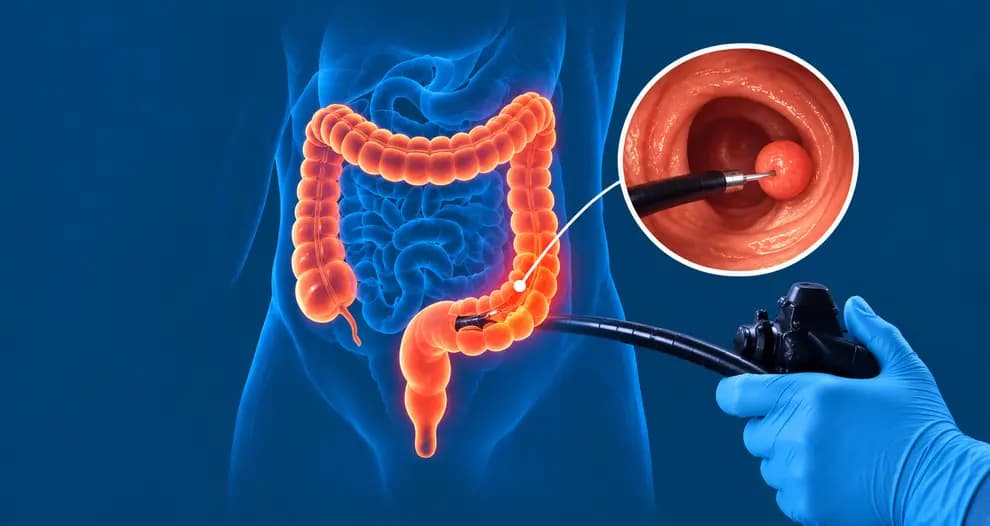
Doctors use several tools to tell polyps apart from cancer and assess cancer risk. A colonoscopy is the gold-standard procedure: a thin, flexible tube with a camera allows your doctor to see the entire colon and remove any polyps found. During removal, a tissue sample (called a biopsy) is sent to a pathologist, who examines cells under a microscope to confirm whether the growth is benign, pre-cancerous, or cancerous. Advanced imaging techniques, such as high-definition colonoscopy and chromoendoscopy (using special dyes to highlight abnormal tissue), improve detection accuracy. Computed tomography (CT) or magnetic resonance imaging (MRI) may be used if cancer is suspected to check whether it has spread. Blood tests and stool tests can also provide supporting information, though they are not definitive on their own. The combination of visual inspection, tissue analysis, and imaging ensures an accurate diagnosis and guides treatment decisions.
The Importance of Regular Screening and Early Detection
Regular screening is one of the most powerful tools to prevent cancer. The World Health Organization emphasizes that screening and early detection reduce cancer mortality significantly. For colorectal cancer, screening can detect polyps years before they become dangerous, allowing simple removal and prevention of cancer altogether. If cancer is detected early, before it has spread, treatment is often less invasive and outcomes are much better. People who follow screening guidelines have a substantially lower risk of developing advanced cancer. Screening intervals depend on your age, risk factors, and previous results: average-risk individuals often need screening every 10 years, while those with polyps may need closer follow-up every 3 to 5 years. Starting screening on time and staying consistent with recommended intervals is critical. If you have never been screened and are at or above the recommended age, contact a specialist to discuss the right approach for you.
Polyp vs Cancer Care at BMH Kozhikode: What the Pathway Looks Like
Baby Memorial Hospital (BMH), located on Indira Gandhi Road, Kozhikode, provides gastroenterology, pathology and cancer care services to support patients through different stages of diagnosis and treatment. At NAVA Cancer Institute, BMH’s dedicated cancer care centre, oncology specialists work within a multidisciplinary care framework to help plan treatment when a polyp is found to contain cancer.
The pathway typically begins with a colonoscopy to identify and, where appropriate, remove the polyp. The tissue is then examined by a pathologist to determine whether it is benign, precancerous or cancerous. If cancer is detected, further evaluation helps establish whether additional surgery or oncology treatment is needed. Through coordination between gastroenterology, pathology, surgical oncology and other relevant specialists at BMH and NAVA Cancer Institute, patients can move from diagnosis to a clearer, individually tailored treatment plan.
A typical journey looks like this:
1 Risk assessment. Symptoms, age and family history decide whether and when to scope. 2. Colonoscopy with polypectomy where the polyp is suitable for removal in the same sitting. 3. Pathology review. The report is read for type, grade, depth and margins. 4. Joint planning if cancer is found, bringing surgical, medical and radiation oncology views together. 5. Surveillance. A written follow-up date, so a "clear" result is not forgotten.
What to bring to your first visit: earlier colonoscopy and biopsy reports, any CT or MRI, a list of medicines (especially blood thinners, which affect how polyp removal is planned), and a short note of relatives who had colon or other cancers. If your biopsy was done elsewhere, ask for the slides or tissue block as well as the printed report, since a second pathology review is a normal part of getting a firm answer.
What to Expect During Polyp Removal and Surveillance
If polyps are found during screening, removal is often straightforward and can be done during the same colonoscopy. Most removed polyps require no further treatment; you simply need follow-up surveillance at intervals your doctor recommends. If a polyp shows signs of cancer or if cancer is confirmed, the care pathway depends on the type, stage, and your overall health. Early-stage cancers may be removed endoscopically (through the scope) or surgically, while advanced cancers may require chemotherapy, radiation, or a combination. Our oncology team in Kozhikode will discuss all options with you, including risks and benefits, and work with you to choose the approach that best fits your goals. Recovery after polyp removal is usually quick, most people return to normal activities within a day. If surgery or systemic treatment is needed, your doctor will provide a detailed timeline and support plan. Cost for polyp removal typically ranges from INR 15,000 to 40,000, depending on polyp complexity, hospital, and doctor; this range is current as of 2024 and may vary based on your specific case. Advanced cancer treatment costs vary widely and require individual assessment.
Conclusion
A polyp and cancer are related but not the same. A polyp is a growth that stays on the surface, while cancer invades. Most polyps are harmless, yet adenomas and serrated polyps can progress slowly, which is why doctors remove them and examine them under a microscope. The practical steps are simple: do not ignore bleeding or a lasting change in bowel habits, get a good-quality colonoscopy, ask for your pathology report to be explained in plain words, and keep your follow-up date. If you have a polyp report and are unsure what it means, or if cancer has been mentioned, a prompt review at BMH can give you clarity and a clear plan.
Chat with our medical assistant to ask about colonoscopy, biopsy reports or second opinions.
Medical disclaimer: This article is for general information and does not replace advice from a qualified doctor. It cannot diagnose any condition or tell you whether a particular polyp is benign or cancerous. Please consult a qualified healthcare professional about your symptoms, test results and treatment options. If you have severe bleeding, severe abdominal pain or feel very unwell, seek emergency care immediately.