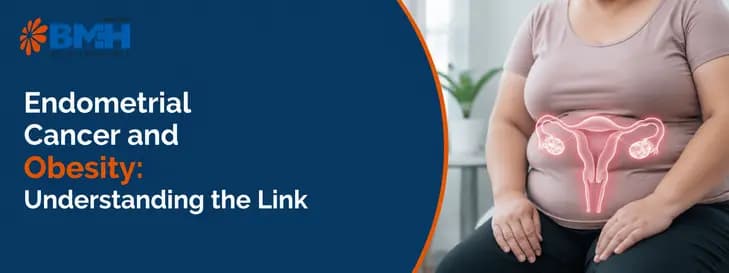

Obesity significantly increases your risk of developing endometrial cancer, the most common cancer of the female reproductive system in many developed countries. The connection between excess weight and this disease is well-established, driven by hormonal imbalances and inflammation in your body. Understanding this link empowers you to take informed steps toward prevention and early detection if you're at higher risk.
What Is Endometrial Cancer?
Endometrial cancer begins in the endometrium, the inner lining of the uterus that thickens and sheds each menstrual cycle. It's distinct from cervical cancer (which starts at the neck of the uterus and is strongly linked to HPV) and from ovarian cancer (which often goes undetected until advanced stages). Endometrial cancer, by contrast, usually announces itself early through abnormal bleeding, which is exactly why awareness of the obesity link is so valuable, it tells women who should be paying closer attention to that symptom.
Also Read; Is Endometrial Cancer Hereditary? Genetics, Risk Factors and Warning Signs
The Obesity–Endometrial Cancer Connection: What the Science Actually Shows
It's not simply that "more body weight equals more cancer." Three specific biological pathways connect the two.
How excess fat tissue behaves like a hormone factory.
After menopause, the ovaries stop producing estrogen, but fat tissue doesn't get that memo. Adipose tissue continues converting androgens into estrogen through a process called aromatization. In a woman with a healthy body composition, this contributes only a small, background level of estrogen. In a woman with obesity, fat tissue becomes a persistent, low-grade estrogen source, and estrogen without the counterbalance of progesterone is exactly what drives abnormal endometrial cell growth over time.
Insulin resistance and chronic inflammation
The second engine. Obesity commonly comes with insulin resistance, which raises circulating insulin and insulin-like growth factor (IGF-1) levels. Both are known to stimulate cell proliferation in the endometrium. Layered on top of this is a state of chronic low-grade inflammation that fat tissue itself generates, which researchers increasingly view as a third contributing pathway rather than a side effect.
The BMI–risk curve. The relationship isn't flat, it scales with BMI, and it scales sharply once obesity becomes severe.
| BMI Category | Relative Mortality Risk (vs. non-obese) |
|---|---|
| 30–34.9 kg/m² (Class I obesity) | 153% higher (RR 2.53) |
| ≥40 kg/m² (Class III / morbid obesity) | 525% higher (RR 6.25) |
Also Read: Uterine Cancer vs Endometrial Cancer: Are They Really the Same?
Early Warning Signs You Shouldn't Wait Out
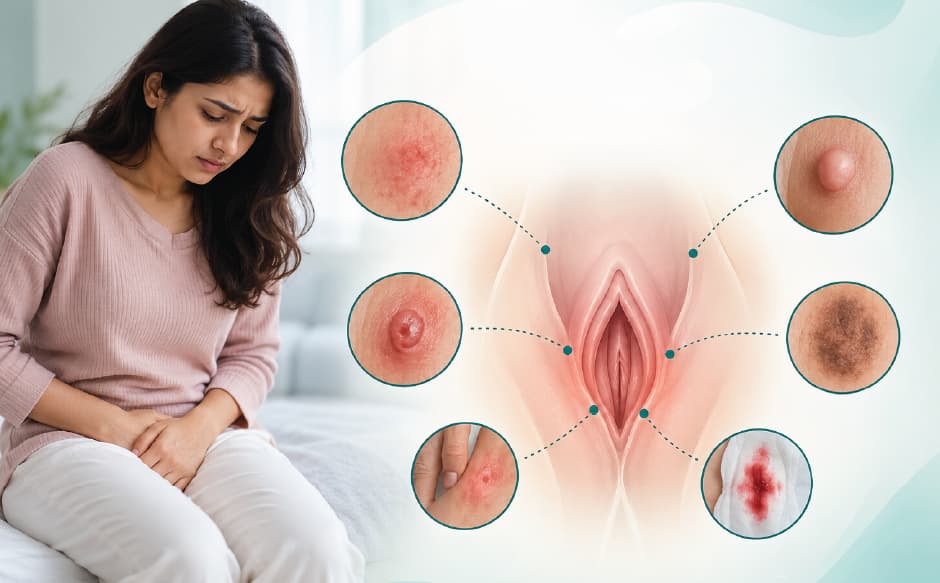
Unlike ovarian cancer, endometrial cancer is one of the few cancers that tends to announce itself early. The signs to never dismiss as "just hormones" or "just menopause":
- Any vaginal bleeding after menopause, however light or brief
- Bleeding or spotting between periods in women who haven't yet reached menopause
- Unusually heavy or prolonged periods, especially if this is a new pattern
- Watery or blood-tinged vaginal discharge with no other explanation
- Pelvic pain or pressure that persists beyond a normal cycle
Risk Factors Beyond Body Weight
Obesity is the strongest single risk factor, but it rarely works alone. Other contributors that raise risk further, sometimes in combination with excess weight, include:
-
Type 2 diabetes: compounds the insulin-resistance pathway described above
-
PCOS (polycystic ovary syndrome): causes prolonged, unopposed estrogen exposure from irregular ovulation
-
Nulliparity (never having given birth) and early menarche / late menopause, all extend lifetime estrogen exposure
-
Tamoxifen use: a breast cancer medication with a known, monitored endometrial effect
-
Lynch syndrome: a hereditary condition that substantially raises lifetime risk regardless of body weight
That last point matters clinically: endometrial cancer can and does occur in women without obesity, which is why any of the warning signs above should prompt evaluation regardless of BMI.


How Endometrial Cancer Is Diagnosed
Diagnosis typically follows a structured pathway rather than a single test:
-
Transvaginal ultrasound (TVS) to measure endometrial thickness, a quick, non-invasive first step.
-
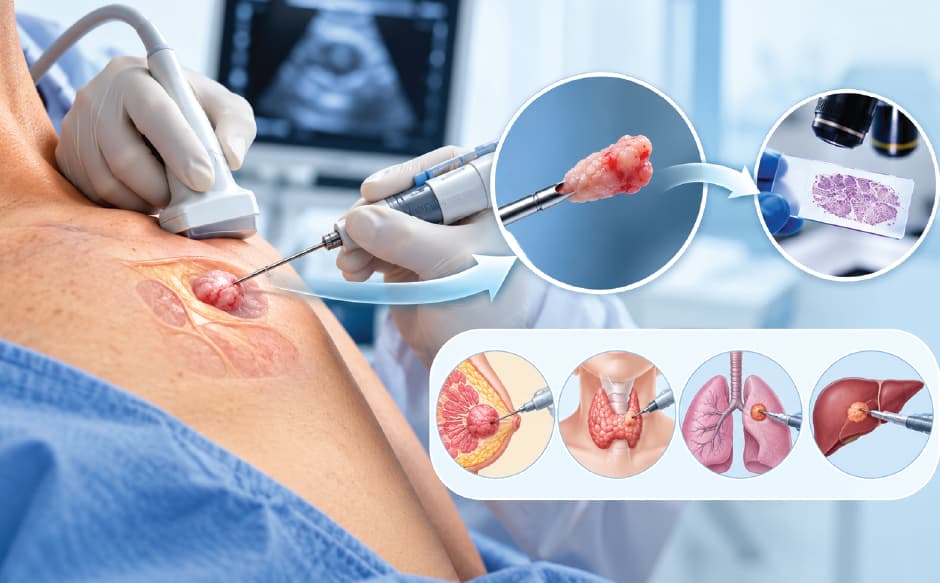
Endometrial biopsy, often done as an outpatient procedure, to sample tissue directly.
-
Hysteroscopy, if the biopsy is inconclusive or a more targeted view is needed Staging investigations (imaging, and surgical staging where indicated) once cancer is confirmed, to guide the treatment plan.
Also Read: Can Young Women Get Endometrial Cancer? Here’s Why It Happens
Treatment Options: From Surgery to Fertility-Sparing Approaches
Treatment depends on the cancer stage, overall health, and individual needs, with surgery forming the foundation for most patients and other approaches added when appropriate.
1. Robotic and minimally invasive hysterectomy.
For most confirmed cases, surgical removal of the uterus (hysterectomy, often with removal of ovaries and fallopian tubes) remains the primary treatment. This is exactly where the obesity link resurfaces clinically: patients with a higher BMI historically faced more postoperative complications with open surgery, longer incisions meant higher risk of wound infection and delayed healing.
Minimally invasive and robotic surgery have measurably changed this, offering 3D visualisation and smaller incisions that reduce blood loss, shorten hospital stays, and lower complication rates specifically in patients with obesity.
2. Radiation therapy and brachytherapy.
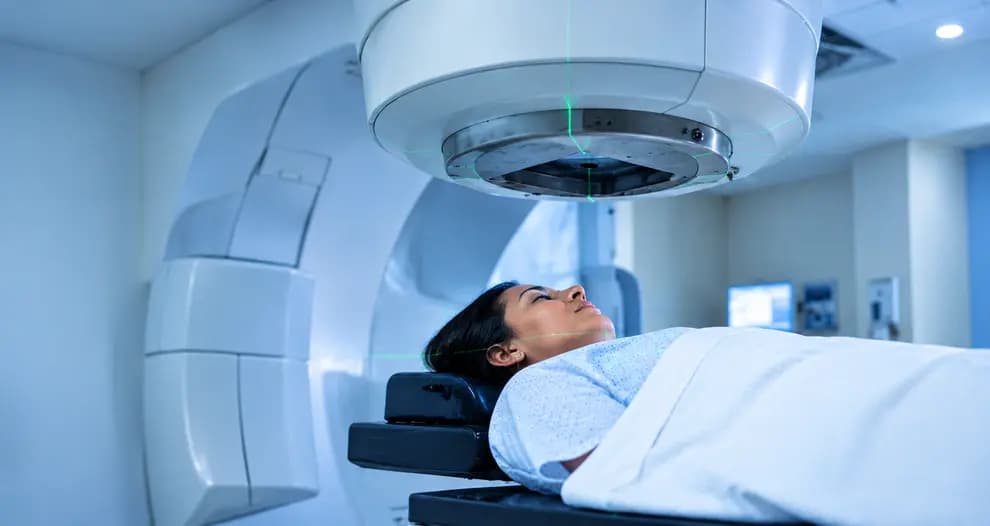
For intermediate- or higher-risk disease, radiation is often recommended after surgery to reduce recurrence risk. Vaginal vault brachytherapy, a form of internal radiation delivered directly to the surgical site, is a standard, evidence-backed addition in these cases, sometimes combined with external beam radiation therapy for higher-risk disease.
3. Where weight management fits into cancer care.
This is the part of treatment least discussed publicly: weight management isn't just prevention, it's part of the treatment and survivorship conversation. A review of metabolic and bariatric surgery literature found it associated with a 50–80% reduction in endometrial cancer occurrence among patients with obesity.
For patients already diagnosed, sustained weight loss also improves surgical outcomes and reduces obesity-related comorbidities like cardiovascular disease, which, notably, kills more endometrial cancer survivors than the cancer itself in several published cohorts.
Can Endometrial Cancer Be Prevented?
There's no guaranteed prevention, but risk reduction is genuinely possible and backed by evidence, not just general wellness advice:
-
Sustainable weight management: Even modest, maintained weight loss (5–10% of body weight) measurably lowers risk, as opposed to short-term crash dieting.
-
Managing PCOS and diabetes actively rather than leaving them untreated, since both compound estrogen and insulin-related risk.
-
Regular movement: Physical activity independently reduces risk through pathways separate from weight loss alone.
-
Not ignoring irregular bleeding, even when it seems minor, since early detection is what makes this cancer so treatable.
Why Patients Across India and Abroad Choose NAVA Cancer Institute at Baby Memorial Hospital
For patients with endometrial cancer, good care often depends on more than a single treatment. It requires coordinated decisions across surgery, radiation, pathology, and follow-up. At NAVA Cancer Institute, part of Baby Memorial Hospital in Kozhikode, gynecologic cancer cases are reviewed through a multidisciplinary tumour board, bringing relevant specialists together before treatment is finalised.
The centre also offers several services that can be important during endometrial cancer care:
-
Multidisciplinary expertise: Surgical oncology, radiation oncology, and pathology contribute to treatment planning rather than relying on one specialist alone.
-
Advanced radiation therapy: TrueBeam image-guided radiotherapy and GammaMedplus iX HDR brachytherapy are available under one roof.
-
Robotic gynecologic surgery: Minimally invasive surgery may be considered for suitable endometrial and other gynecologic cancers, including in patients where obesity can make conventional surgery more challenging.
-
Integrated care: Having surgery and radiation services within the same centre can reduce the need for referrals between different facilities.
For patients from Kerala, elsewhere in India, or overseas, this combination can make accessing coordinated cancer care more straightforward while avoiding the significantly higher costs often associated with treatment abroad.
For those seeking timely cancer care, BMH also offers appropriate cancer screening tests. You can chat with the BMH medical assistant on WhatsApp to understand the next steps.
Also Read: Recommended Cancer Screening Tests for Every Adults
Conclusion
Endometrial cancer sits in an unusual place among cancers: it's strongly tied to a modifiable risk factor, it tends to announce itself early through recognisable symptoms, and, when caught early, it's among the more treatable gynecologic cancers.
The obesity connection isn't meant to place blame; it's meant to sharpen awareness, particularly for women in India where both obesity and this cancer's incidence are rising together in urban centres.
Whether the next step is a screening conversation, a diagnostic work-up after unusual bleeding, or a second opinion on a treatment plan, getting to a gynec-oncology team that can act on all three fronts, diagnosis, surgery, and radiation, without delay is what actually changes outcomes.
Chat with our care assistant for a quick, confidential guide on next steps, or book a consultation directly with the gynec-oncology team at NAVA Cancer Institute, Baby Memorial Hospital.
MEDICAL DISCLAIMER: This article is intended for general informational purposes only and does not constitute medical advice, diagnosis, or treatment. Endometrial cancer risk, symptoms, and treatment vary by individual, and only a qualified gynecologic oncologist can assess your specific case. If you are experiencing abnormal bleeding or other symptoms discussed above, please consult a healthcare professional promptly rather than relying on this article for self-diagnosis.