
Oral cancer affects thousands of people in India each year, yet many cases are preventable through simple lifestyle changes and awareness. Understanding your risk factors and taking proactive steps can significantly reduce your chances of developing this disease.
This guide walks you through evidence-based prevention strategies, warning signs, and when to seek specialist screening.
What Actually Causes Oral Cancer? (A 60-Second Recap)
Oral cancer doesn't have one single cause, it's usually the result of repeated irritation or DNA damage to the cells lining your mouth, building up over years. The two biggest contributors are tobacco use (smoked and smokeless) and alcohol, especially when combined, and a growing share of cases, particularly in younger, non-tobacco-using patients, are linked to HPV infection.
10 Expert-Backed Tips to Prevent Oral Cancer
The most effective prevention starts with everyday choices that reduce your exposure to known oral cancer risks.
1. Quit Tobacco in Every Form: Not Just Cigarettes
Cigarettes, bidis, gutka, khaini, and paan with tobacco all carry risk, smokeless tobacco arguably more so in India, because the quid sits directly against the cheek or gum lining for hours. If you use any tobacco product, cessation is the single highest-leverage change you can make, and it doesn't have to be a solo effort; structured cessation counselling roughly doubles long-term quit rates compared to going cold turkey alone.
Also Read: How Do Alcohol, Tobacco, and Food Habits Affect Oral Cancer Risk?
2. Cut Back on Alcohol, Especially in Combination With Tobacco
Alcohol alone raises oral cancer risk; combined with tobacco, the two act synergistically rather than just adding up, because alcohol makes the mouth's lining more permeable to the carcinogens in tobacco smoke and smokeless products.
3. Talk to Your Doctor About the HPV Vaccine
HPV-related oral cancers are rising, including in people who've never used tobacco. The HPV vaccine, typically given in adolescence but sometimes recommended for adults, reduces this risk. If you're unsure whether it's relevant for you or your children, this is worth a direct conversation with your physician.
4. Don't Skip Your 6-Month Dental Check-Up
Your dentist is often the first person to spot a suspicious patch, ulcer, or lump, frequently before you'd notice it yourself. Routine dental visits aren't just about cavities; a thorough check includes a visual and physical exam of your cheeks, gums, tongue, and the floor of your mouth.
5. Do a Monthly Self-Exam
This is the one habit most people skip entirely, and it takes less time than brushing your teeth. We've laid out the exact steps further down this page.
6. Eat a Diet Rich in Fruits, Vegetables, and Iron
Diets low in fruits and vegetables are associated with higher oral cancer risk, likely because antioxidants help protect the mucosal lining from cellular damage. Iron-deficiency anaemia is also linked to a specific oral cancer risk pathway (Plummer-Vinson syndrome), which is one more reason chronic fatigue or pale gums shouldn't be brushed off.
7. Protect Your Lips From Sun Exposure
Lip cancer is a form of oral cancer that's driven substantially by cumulative UV exposure, relevant if you spend long hours outdoors for work or commuting. A lip balm with SPF is a small, low-effort habit with an outsized protective value.
8. Get Ill-Fitting Dentures or Sharp Teeth Fixed
Chronic mechanical irritation, from a broken tooth, a sharp filling edge, or a denture that no longer fits, creates a constant wound-healing cycle in the same spot of tissue. Over years, that repeated irritation is a recognised contributing factor. If something in your mouth keeps catching or rubbing, get it looked at rather than living with it.
9. Don't Neglect Basic Oral Hygiene
Poor oral hygiene is independently associated with higher oral cancer risk, separate from tobacco and alcohol use, likely through chronic inflammation and altered oral bacterial balance. Brushing twice daily, cleaning your tongue, and flossing aren't just cosmetic habits.
10. Know Your Risk Profile and Get Screened Proactively
If you have a family history of oral or head and neck cancer, work in an occupation with heavy tobacco-use prevalence (studies have documented this specifically among industrial and municipal workers in India), or fall into a high-risk age or lifestyle group, don't wait for oral cancer symptoms, ask your doctor about a baseline oral cancer screening.


| Tip | Why It Matters | What To Do |
|---|---|---|
| Quit all tobacco forms | ~80% of oral cancers are tobacco-linked | Ask about structured cessation support |
| Limit alcohol | Compounds tobacco's carcinogenic effect | Reduce frequency and quantity |
| Consider HPV vaccination | HPV-linked cases are rising in non-users | Discuss timing with your doctor |
| Keep 6-month dental visits | Dentists spot lesions before symptoms | Don't skip "just a cleaning" appointments |
| Do a monthly self-exam | Early detection changes outcomes | Use the steps below |
| Eat more fruits, vegetables, iron-rich foods | Antioxidants protect mucosal lining | Address anaemia symptoms promptly |
| Use SPF lip balm | UV exposure drives lip cancer | Apply daily if outdoors often |
| Fix sharp teeth/dentures | Chronic irritation is a risk factor | Get dental adjustments, don't delay |
| Maintain oral hygiene | Independently linked to lower risk | Brush, floss, clean tongue daily |
| Know your risk, get screened | High-risk groups need earlier action | Ask your doctor for a baseline check |
The 5-Minute Self-Exam Doctors Recommend You Do at Home
This isn't a diagnostic tool, it's an awareness habit, the same logic as a breast or skin self-exam. Do this once a month, in good light, ideally after brushing:
-
Look at your lips: Pull them out and check for colour changes, sores, or lumps, inside and out.
-
Check your gums: Press gently along the upper and lower gum line for lumps, swelling, or bleeding that isn't from brushing.
-
Examine your cheeks: Pull each cheek out and look at the inner lining for white or red patches, sores that haven't healed in two weeks, or rough textured areas.
-
Stick out your tongue: Check the top, sides, and underside. Ask a family member to help you look at the underside and floor of the mouth, which is harder to see alone.
-
Look at the roof of your mouth and back of your throat: Use a torch if needed, checking for colour changes or lumps.
-
Feel your neck and under your jaw: Gently press for any new lumps or swelling in the lymph nodes.
If anything unusual persists for more than two weeks, a sore that won't heal, a white or red patch, a lump, persistent numbness, or difficulty swallowing, get it evaluated. Most findings won't be cancer, but only an exam can confirm that, and waiting is the one variable entirely in your control.
Common Myths About Oral Cancer Prevention, Busted
Several common beliefs about oral cancer prevention can make people overlook real risks or delay seeking care. Here are some of the most important myths to know before moving on to the facts:
-
"Mouthwash prevents oral cancer." No strong evidence supports this. Some alcohol-based mouthwashes may even irritate the mucosal lining with heavy, prolonged use, hygiene matters, but it's not a substitute for the habits above.
-
"Only smokers get oral cancer." Smokeless tobacco, alcohol, HPV, and mechanical irritation all contribute independently of smoking.
-
"If it doesn't hurt, it's not serious." Early oral cancer is frequently painless, which is exactly why it gets missed.
-
"E-cigarettes are a safe alternative." Vaping isn't risk-free for oral tissue; research on its long-term oral cancer risk is still developing, so it shouldn't be treated as a safe substitute.
When to Consider BMH NAVA Cancer Institute for Head & Neck Cancer Care
If you notice a persistent mouth lesion, unexplained swelling, difficulty swallowing, or have a history of tobacco or alcohol use, getting evaluated early can make a difference. Baby Memorial Hospital’s NAVA Cancer Institute brings multiple specialists together for head and neck cancer care.
-
Multidisciplinary expertise: ENT & Head and Neck Cancer Surgery, Oral & Maxillofacial Surgery, surgical oncology, and radiation oncology work together to support diagnosis and treatment.
-
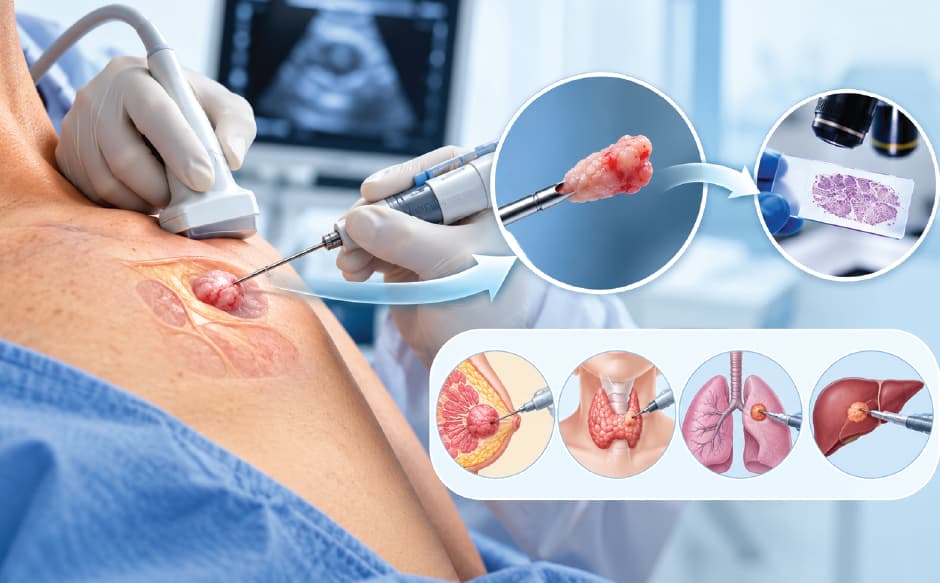
Integrated cancer care: Patients can access evaluation, biopsy, treatment planning, surgery, radiation therapy, and follow-up within one coordinated cancer-care network.
-
Early detection support: BMH offers Cancer Screening test Packages with a dedicated head and neck component, supporting timely evaluation of potential warning signs.
-
Specialist-led care: The NAVA Cancer Institute includes specialists such as Dr. John J Alapatt in Surgical Oncology and Prof. Dr. P.R. Sasindran in Radiation Oncology.
-
Care for patients beyond Kerala: Video consultations, pre-arrival case review, and international patient support can help patients travelling from other regions or countries plan their treatment.
Chat with our assistant to understand what your symptoms could mean and which specialist to see, or book a head & neck cancer screening or consultation.
Medical Disclaimer: This article is for general informational purposes only and is not a substitute for professional medical advice, diagnosis, or treatment. Always seek the advice of a qualified physician or specialist regarding any medical condition, symptom, or before making any decisions related to your health.