
Tobacco and alcohol are among the strongest risk factors for oral cancer, together, they multiply your danger far beyond using either alone. If you chew tobacco, smoke, or drink regularly, understanding this link could save your life. This guide explains how these substances damage your mouth and throat, what warning signs to spot, and how regular screening at our oncology centers across Kozhikode, Kannur, Thodupuzha, Payyanur, and Vadakara can catch changes early.
How Tobacco and Alcohol Damage Your Mouth and Throat
Tobacco, whether smoked, chewed, or snuffed, contains over 7,000 chemicals, at least 70 of which are known carcinogens (cancer-causing substances). When tobacco touches the soft tissues inside your mouth, it directly exposes them to these toxins. Alcohol, especially at high levels, irritates and inflames the lining of your mouth and throat, weakening your body's ability to repair damaged cells.
Your mouth's lining normally replaces old cells with healthy new ones. Repeated exposure to tobacco and alcohol disrupts this process, causing cells to become abnormal. Over months and years, these abnormal cells can turn cancerous. Alcohol also prevents your body from absorbing protective nutrients like vitamins A, C, and E, which help your cells stay healthy. The longer and more heavily you use these substances, the higher your risk.
Why These Two Substances Work Together to Increase Cancer Risk
The combination of tobacco and alcohol creates a multiplier effect, the risk is far greater than either substance alone. When you use both, alcohol acts as a delivery system, carrying tobacco's toxic chemicals deeper into your mouth and throat tissues. Your cells become overwhelmed, struggling to repair themselves against constant assault.
Data from the World Health Organization shows that people who use tobacco and alcohol together have a substantially elevated risk of developing oral, pharyngeal, and laryngeal cancers compared to non-users. The longer you've used both substances and the heavier your use, the faster abnormal changes can develop. Even moderate daily consumption, a few cigarettes or drinks, adds up over years. Your mouth's lining is especially vulnerable because it's in direct contact with these toxins every single day.
How Tobacco Damages the Oral Lining
Tobacco can damage the mouth through repeated exposure to cancer-causing chemicals, whether it is smoked, chewed, or used in other forms. The way different tobacco products affect the oral lining varies, but regular exposure can lead to cellular changes that increase cancer risk.
1. Smoked tobacco: cigarettes and bidis
Cigarette and bidi smoke deliver over 60 known carcinogens directly onto the mucosa of the lips, tongue, and cheek every time a person inhales. Bidis, hand-rolled and unfiltered, have been shown in Kerala-based research to raise oral cancer risk in men measurably more than filtered cigarettes, partly because they're smoked more frequently and burn hotter.
2. .Smokeless tobacco: gutka, khaini, and paan with tobacco
This is where India's risk profile diverges sharply from Western data, and where most competitor articles (largely written for a US audience) fall short. Smokeless tobacco, gutka, khaini, zarda mixed into paan, is chewed and held against the cheek or gum for extended periods, delivering concentrated, sustained carcinogen exposure to one fixed spot in the mouth.
3. What happens at the cellular level
Repeated carcinogen exposure causes DNA damage across a wide area of oral tissue, not just the point of direct contact, a phenomenon called field cancerisation. That's why people who chew or smoke tobacco can develop precancerous white patches (leukoplakia) or red patches (erythroplakia) at multiple sites in the mouth, and why a single "clean" biopsy doesn't rule out risk elsewhere in the same person's mouth.
The Synergy Effect: Why Combined Use Isn't "Double" the Risk
Using tobacco and alcohol together does not simply add their individual risks, it multiplies them, because alcohol increases how much tobacco carcinogen the oral tissue actually absorbs.
A meta-analysis of observational studies across South-East Asia quantified exactly how much. Compared to people who neither smoke, chew, nor drink, the pooled odds ratios were:
| Habit | Odds Ratio (relative risk) |
|---|---|
| Alcohol drinking alone | 2.2 |
| Smoking alone | 3.6 |
| Betel quid / tobacco chewing alone | 7.9 |
| Smoking + chewing + drinking combined | 40.1 |


Warning Signs You Shouldn't Wait On
Not every mouth ulcer or oral change is cancer, but persistent or unusual oral cancer symptoms should not be ignored. If any of the following signs lasts beyond the usual healing period, keeps returning, or is getting worse, it is worth getting examined by a dentist, ENT specialist, or oral cancer specialist.
| Sign | Why it matters |
|---|---|
| A mouth ulcer or sore that hasn't healed in 2–3 weeks | Ordinary ulcers heal within 10–14 days; anything longer needs examination |
| A white or red patch inside the cheek, gum, or tongue | Leukoplakia and erythroplakia are recognised precancerous changes |
| A lump or thickening in the cheek or neck | Can indicate local tumour growth or lymph node involvement |
| Persistent difficulty chewing, swallowing, or moving the jaw | Suggests deeper tissue involvement |
| Numbness in the tongue, lip, or lower face | Can indicate nerve involvement, often a later-stage sign |
| Unexplained bleeding in the mouth, not tied to dental work | Warrants prompt evaluation, especially with a tobacco/alcohol history |
None of these signs confirm cancer on their own, most turn out to be benign. But in someone with a tobacco or alcohol history, they're worth a same-week visit, not a wait-and-watch.
Screening and Early Detection: Why It Changes the Outcome
Oral cancer is one of the few cancers that's visible and physically reachable, which makes it genuinely detectable early through a simple visual and tactile exam, something many people skip because it feels like "just a dental checkup."
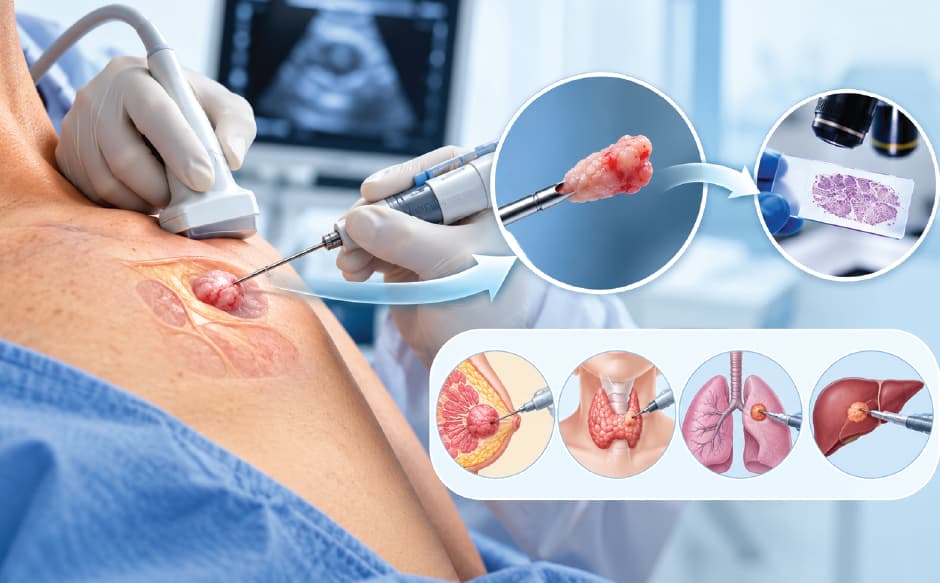
A dentist or ENT specialist examining the mouth, tongue, and neck for lumps, ulcers, or discoloured patches can catch precancerous changes before they progress. Where a suspicious patch or ulcer is found, a small biopsy confirms the diagnosis definitively.
Stage at diagnosis is one of the strongest predictors of outcome in oral cancer, which is exactly why routine screening, particularly for anyone with a tobacco or alcohol history, matters more here than in cancers that develop silently, out of view.
Also Read: Recommended Cancer Screening Tests for Every Adults
Cutting Your Risk: What Actually Works
-
Quitting, at any stage, changes your risk curve. Research on cessation shows that stopping tobacco and alcohol use after an oral cancer diagnosis is associated with meaningfully better survival outcomes compared to continuing either habit through treatment, the same biological logic applies before a diagnosis, not just after one.
-
Reducing frequency and duration matters even before full cessation, since Kerala-based research found a clear dose-response relationship between chewing/drinking duration and risk. Routine oral screening, at least annually for anyone with a tobacco or alcohol history, catches precancerous changes while they're still reversible.
-
Support for quitting; nicotine replacement, counselling, or a structured cessation programme, improves the odds of actually stopping, rather than relying on willpower alone.
How NAVA Cancer Institute at BMH Approaches Oral Cancer Care
At NAVA Cancer Institute, Baby Memorial Hospital (BMH), Kozhikode, oral cancer care is planned through a multidisciplinary tumour board, rather than relying on a single specialist's opinion. Surgical oncology, radiation oncology, medical oncology, radiology, pathology, and other relevant specialists review the case together.
The approach typically includes:
-
Accurate diagnosis: Clinical examination, biopsy, imaging, and pathological assessment to confirm cancer and determine its extent.
-
Stage-based treatment planning: Surgery, radiation therapy, chemotherapy, or a combination depending on tumour site, stage, and overall health.
-
Functional preservation: Treatment planning considers important outcomes such as speech, swallowing, chewing, and facial appearance.
-
Specialist-led care: Surgical oncologists such as Dr. John J. Alapatt and radiation oncology specialists including Prof. Dr. P.R. Sasindran contribute to treatment decisions.
-
Follow-up care: Ongoing monitoring is important for detecting recurrence, managing treatment effects, and supporting recovery.
BMH also treats patients from across Kerala, other Indian states, and internationally, including patients from the Gulf region.
If a mouth ulcer, lump, or other oral lesion persists or changes, especially with tobacco or alcohol exposure, timely evaluation is important rather than waiting for symptoms to worsen.
Conclusion
Tobacco and alcohol don't just sit on a list of oral cancer risk factors, together, they're responsible for the overwhelming majority of oral cancer cases diagnosed in India, and in Kerala specifically, chewing tobacco has repeatedly shown up as the strongest single driver in local research.
The good news is that this makes oral cancer one of the more preventable and, when caught early, one of the more treatable cancers there is. If you recognise a habit, a symptom, or both in what you've just read, the next right step is a screening, not a search engine.
Chat with our care assistant for guidance on next steps, or reach out to NAVA Cancer Institute at Baby Memorial Hospital directly to book a consultation.
Medical Disclaimer: This article is intended for general informational and educational purposes only and does not constitute medical advice, diagnosis, or treatment. It is not a substitute for professional medical consultation. Always seek the advice of a qualified physician or healthcare provider regarding any medical condition, symptoms, or before making decisions about your health. If you are experiencing a medical emergency, contact your nearest hospital or emergency services immediately.