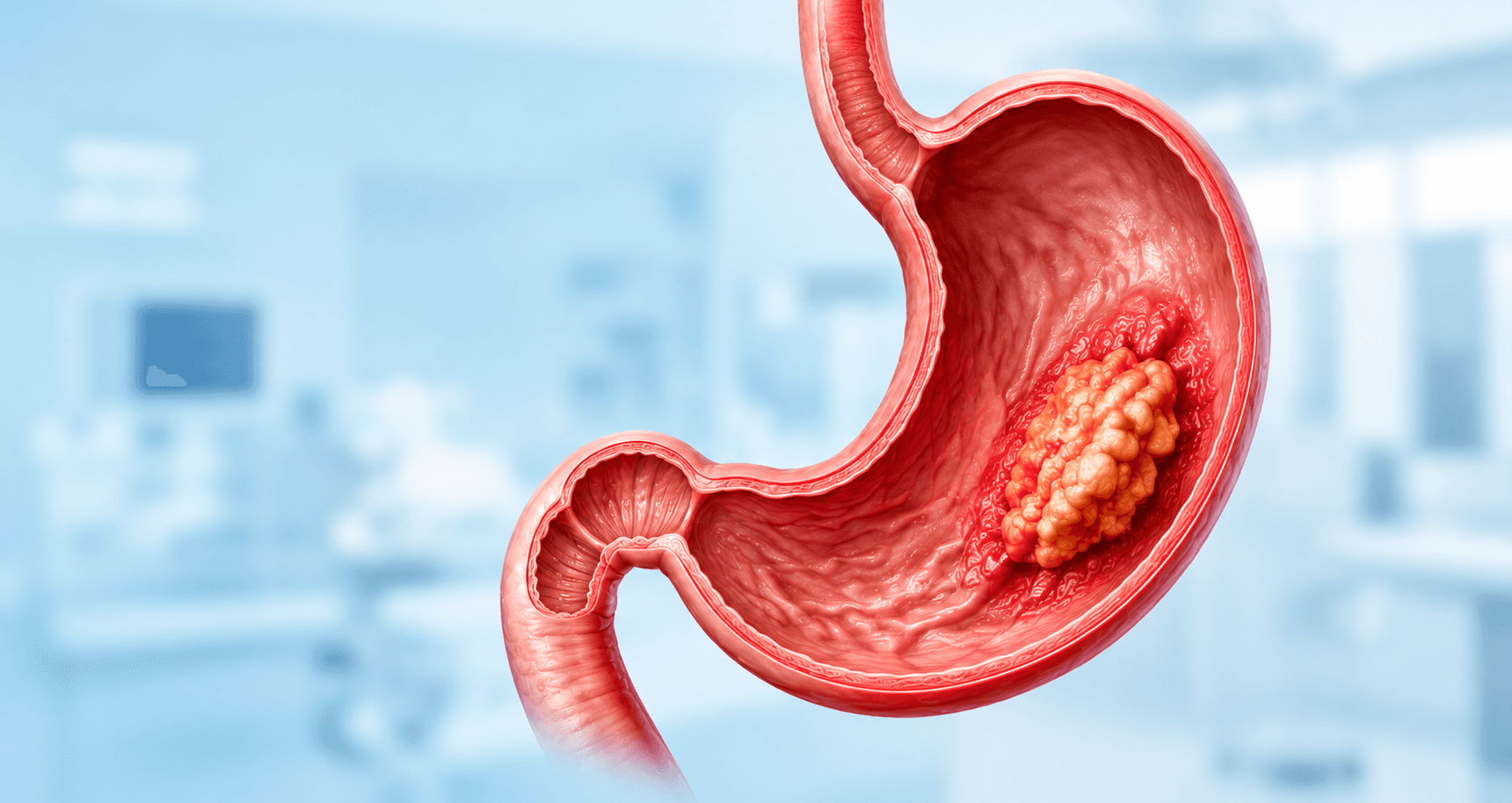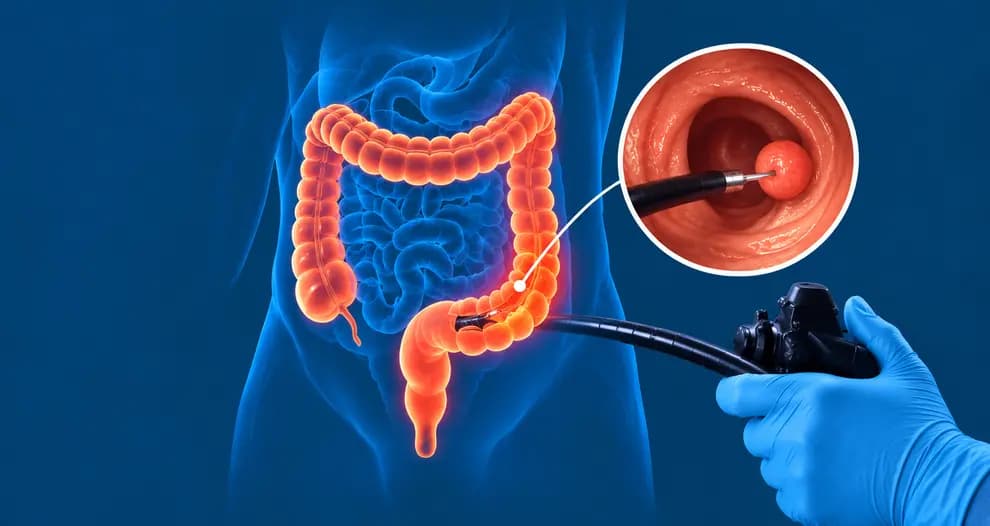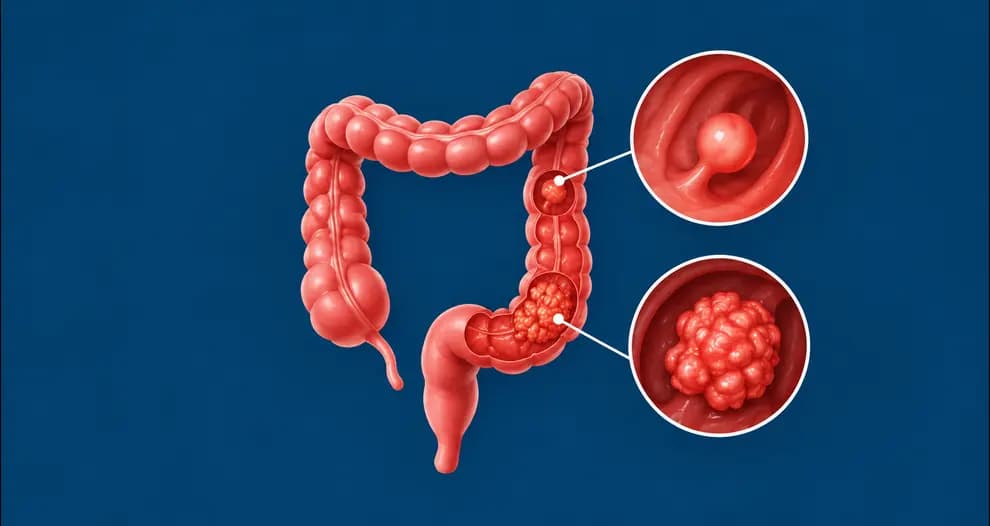

A cancer diagnosis changes everything in an instant. The next question, who do I see? can feel overwhelming, especially when every decision feels weighty. Here is a fact that underscores why this question matters so deeply in Kerala: according to a reply in the Lok Sabha in December 2025, Kerala recorded 170 cancer cases per lakh population, the highest per capita cancer incidence rate in India, compared to the national average of 110.
Experts point to a combination of higher public awareness, better screening infrastructure, lifestyle changes, and tobacco and alcohol use as contributing factors. The data is stark, but it also means that Kozhikode, as a major healthcare destination in North Kerala, has developed robust oncology infrastructure to meet this growing need.
Choosing the right oncologist is about finding a specialist whose expertise matches your cancer type, whose hospital has the technology your treatment requires, and whose team takes a genuinely multidisciplinary approach to your care. This guide is designed to help you understand exactly what to look for and to give you an honest, detailed picture of the cancer care landscape in Kozhikode.
What Does an Oncologist Actually Do?
Cancer care involves much more than diagnosing a disease or prescribing treatment. From planning therapies and performing surgeries to managing long-term recovery, oncologists play different roles at every stage of a patient’s journey. However, oncology is not a single specialty. It is a broad field made up of multiple branches, with each specialist focusing on a specific aspect of cancer diagnosis, treatment, and care.
Here’s a closer look at the different types of oncologists and what each one does:
1. Medical Oncologists:
Medical oncologists lead non-surgical cancer treatment and often serve as the central point of coordination for a patient’s care journey. They prescribe and manage treatments such as chemotherapy, immunotherapy, targeted therapy, and hormonal therapy while working closely with other specialists to create a comprehensive treatment plan.
2. Surgical Oncologists:
Surgical oncologists focus on removing cancerous tumours through procedures ranging from traditional open surgeries to minimally invasive laparoscopic and robotic techniques. Many also work within highly specialised areas such as breast oncology, gastrointestinal oncology, head and neck oncology, and gynaecologic oncology.
3. Radiation Oncologists:
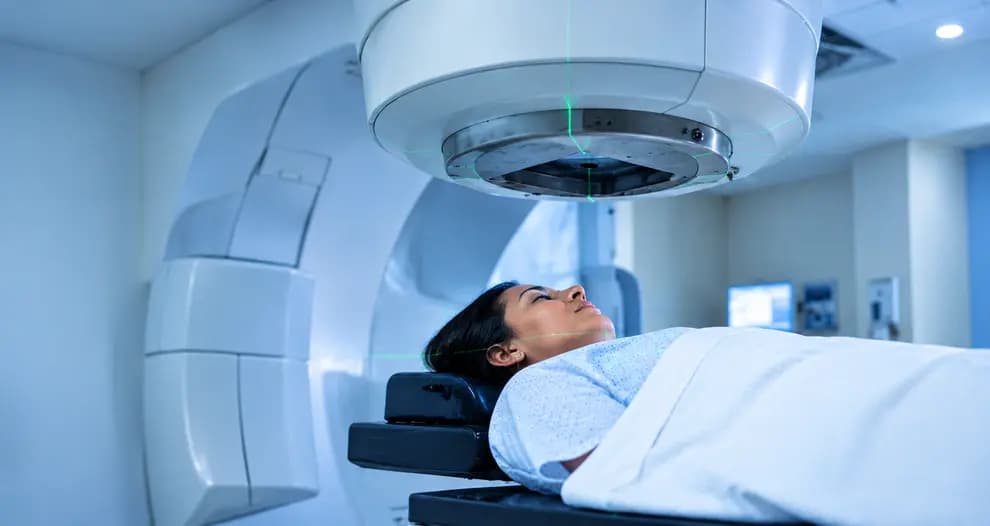
Radiation oncologists use carefully targeted high-energy radiation beams to destroy cancer cells while minimising damage to surrounding healthy tissue. Advanced technologies such as IMRT (Intensity Modulated Radiation Therapy) and IGRT (Image Guided Radiation Therapy) now allow treatment with remarkable accuracy.
4. Nuclear Medicine Specialists:
Nuclear medicine specialists use small amounts of radioactive materials for both cancer detection and treatment. Their role includes diagnostic imaging like PET CT scans and specialised therapies such as radioiodine treatment for thyroid cancer and PSMA therapy for prostate cancer.
5. Paediatric Oncologists:
Children with cancer require treatment approaches that differ significantly from adult care. Paediatric oncologists specialise in treating childhood cancers while also addressing developmental, emotional, and family support needs throughout the treatment process.
6. Haemato Oncologists:
Haemato-oncologists diagnose and treat blood related cancers such as leukaemia, lymphoma, and multiple myeloma. They frequently oversee advanced treatment programmes including bone marrow transplantation and complex long term disease management.
Understanding which type of specialist you need can make the process less overwhelming and help you make more informed decisions when seeking cancer care.
How to Choose the Best Oncologist in Kozhikode: 7 Key Criteria
Choosing the right oncologist goes beyond qualifications alone. The best choice often depends on your cancer type, treatment needs, access to care, and the support system surrounding your journey.
Before making a decision, ask these important questions to evaluate your treatment team carefully:
1. Does the Oncologist Specialise in Your Cancer Type? A breast cancer patient benefits most from a surgeon who does reconstructive breast procedures regularly, not a general surgeon. Ask specifically about the volume of your cancer type the doctor treats per year.
2. Is There a Multidisciplinary Tumour Board? The gold standard in cancer care is a tumour board, a regular meeting of medical, surgical, and radiation oncologists, along with pathologists, radiologists, and palliative care specialists, who collectively review each patient's case. Hospitals that conduct formal tumour board discussions typically produce better outcomes because no single specialist makes decisions in isolation.
3. What Technology Does the Hospital Use? Cancer treatment outcomes are deeply linked to equipment quality. TrueBeam linear accelerators (for radiation), PET/CT systems (for staging), robotic surgery systems (for precision tumour removal), and brachytherapy machines (for internal radiation) are benchmarks worth asking about.
4. Is the Doctor Updated with Current Research? Oncology moves fast. Targeted therapies approved five years ago are already being replaced by more effective combinations. A doctor who participates in clinical trials or publishes research is actively engaged with the frontier of the field.
5. What Support Services Are Available? Cancer care is not just chemotherapy and surgery. Nutrition counselling, psychological support, palliative care, physiotherapy, and survivorship programmes significantly affect quality of life during and after treatment. Ask whether the hospital has these resources in-house.
6. Is the Hospital Convenient for Long Term Care? Cancer treatment typically spans months, with regular visits for infusions, scans, and consultations. A hospital that is geographically accessible or offers teleconsultation options matters more than you might expect.
7. Can the Team Provide Broader Care Options? Some cancers require second opinions from international tumour boards or access to trials only available abroad. Hospitals with international patient cells and established referral networks offer an important safety net.
Also Read: Second Opinion for Cancer in India: How to Get One Remotely at BMH
Finding the right specialist becomes easier when you understand the range of expertise available across the city’s cancer care landscape. Hospitals in Kozhikode offer specialists across medical, surgical, radiation, and subspecialty oncology services.


Top 5 Notable Oncologists in Kozhikode, Kerala
Kozhikode hosts several oncology specialists across different hospitals. NAVA Cancer Institute brings together a multidisciplinary team of oncology specialists across medical oncology, surgical oncology, radiation oncology, nuclear medicine, paediatric oncology, haemato-oncology and BMT, head and neck oncology, and breast oncology.
Below is an overview of the oncology expertise available in the city, including specialists associated with NAVA Cancer Institute at Baby Memorial Hospital.
1. Dr John J Alapatt (Surgical Oncologist)
Dr. John J Alapatt is an experienced Surgical Oncologist specializing in the management of complex cancer surgeries. He currently works as a Consultant in Surgical Oncology at BMH Oncology Institute, Baby Memorial Hospital, Kozhikode. Before joining BMH, he served as a Consultant at MVR Cancer Centre and Research Institute for four years. Known for his expertise in advanced cancer procedures, Dr. Alapatt combines precise surgical approaches with minimally invasive techniques to support effective treatment outcomes and patient-centered care.
2. Dr Anwin Joseph K (Nuclear Medicine)
Dr. Anwin Joseph K is an experienced Nuclear Medicine Specialist at Baby Memorial Hospital, Kozhikode, with expertise in PET CT imaging, molecular diagnostics, and nuclear medicine therapies. He has extensive experience in advanced cancer imaging and treatment planning, helping support accurate diagnosis and personalised care strategies. Over the course of his career, he has been associated with renowned institutions such as PGIMER Chandigarh and Amrita Institute of Medical Sciences. He is also recognised for his academic and research contributions in the fields of nuclear medicine and oncology.
3. Dr Muhammed Rifayi V (Medical Oncology)
Dr. Muhammed Rifayi is a skilled Medical and Haemato-oncologist with strong academic training and experience in managing a broad spectrum of cancers. His expertise includes the treatment of hematolymphoid malignancies as well as solid tumours involving the thoracic, gastrointestinal, gynaecological, genitourinary, and breast systems. Known for his patient-focused approach, he is dedicated to delivering compassionate, comprehensive, and personalised cancer care throughout every stage of treatment.
4. Dr Shinto Francis Thekkudan (Haemato-Oncology And BMT)
Dr. Shinto Francis Thekkudan is the Chief and Senior Consultant in Clinical Hematology, Haemato-Oncology, and Bone Marrow Transplantation at Baby Memorial Hospital, Kozhikode. With over 15 years of experience and advanced training from leading institutions in India and abroad, he specialises in treating leukaemia, lymphoma, myeloma, and complex blood disorders, with a strong focus on bone marrow transplantation and advanced cellular therapies. OP Timings: Monday, Tuesday, Wednesday & Friday | 10:00 AM–03:00 PM
5. Prof (Dr) Sasindran P R (Radiation Oncology)
Prof. Dr. P.R. Sasindran is the Head of Department and Senior Consultant in Radiation Oncology at Baby Memorial Hospital, Kozhikode, with over 37 years of experience in cancer care. He specialises in advanced radiation techniques such as IGRT, VMAT, IMRT, and HDR brachytherapy, and is recognised for delivering precise, personalised, and evidence-based treatment approaches.
Also Read: 20 Questions To Ask Your Oncologist: Complete Guide
Why Kozhikode Is Becoming a Destination for Oncology Care in North Kerala
Kozhikode, also called Calicut, has long been the commercial and cultural capital of North Kerala. Over the past decade, it has become an increasingly important medical hub as well, with multi-specialty hospitals investing heavily in oncology infrastructure. Several factors have contributed to this:
The city's central location makes it accessible to patients from Malappuram, Wayanad, Kannur, and even parts of Karnataka and Tamil Nadu. Its airport connections support inbound international patients, particularly from the Gulf region, where a large Malayalam-speaking diaspora seeks treatment in familiar surroundings. The growing burden of cancer in North Kerala has driven hospitals to invest specifically in oncology.
Treatments that patients once had to travel to Kochi or Thiruvananthapuram to access are now available locally, including advanced radiation therapy, robotic surgery, and haemato-oncology with bone marrow transplant capabilities.
As you compare cancer care options in Kozhikode, it is equally important to understand the facilities, technology, and care models that support treatment outcomes.
Click to read about The Famous Hospital in Kerala That Has Been Making Headlines for 38 Years
NAVA Cancer Institute at Baby Memorial Hospital: What Sets It Apart
For patients exploring oncology care in Kozhikode, NAVA Cancer Institute at Baby Memorial Hospital offers a multidisciplinary and patient-centered approach to cancer treatment.
Built around principles such as precision diagnosis, personalised treatment, research, accessibility, and holistic care, the institute combines specialist expertise with advanced technology.
Key highlights include: • TrueBeam image guided radiation therapy for precision treatment • Da Vinci X robotic system for minimally invasive cancer surgery • Discovery IQ PET CT for advanced imaging and staging • GammaMedplus iX brachytherapy for targeted internal radiation
The institute provides expertise across Medical Oncology, Surgical Oncology, Radiation Oncology, Nuclear Medicine, Paediatric Oncology, Haemato-Oncology, and Bone Marrow Transplantation, along with screening programmes and support services for international patients.
Ready to Take the Next Step? If you or someone close to you has received a cancer diagnosis or if you want to understand your risk through screening speaking with a specialist is the right first move. You do not need a referral to see an oncologist. You can book directly.
For questions, second opinions, or international patient enquiries: Chat with our medical assistant on Whatsapp, available to help you understand your options, navigate departments, or schedule a consultation.
Medical Disclaimer The information in this article is intended for general educational purposes only and does not constitute medical advice, diagnosis, or a treatment recommendation. Cancer is a complex, highly individual disease. Please consult a qualified oncologist or healthcare professional for personalised guidance. Do not delay seeking professional medical advice on the basis of information read here.