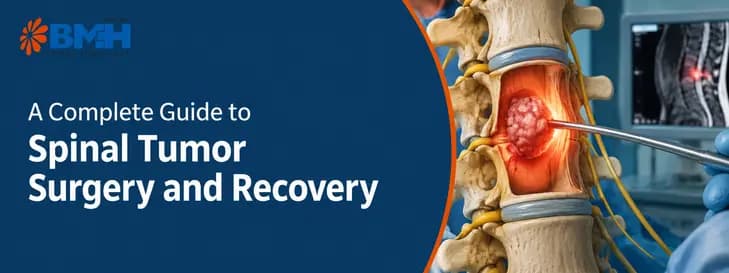

Spinal tumor surgery is a specialized procedure to remove abnormal growths from the spine or spinal cord, often combined with other cancer treatments. If you've been diagnosed with a spinal tumor, understanding your surgical options, recovery process, and realistic outcomes helps you make informed decisions with your medical team.
This guide walks you through what spinal tumor surgery involves, how surgeons prepare, and what recovery typically looks like.
What Is a Spinal Tumor? Primary vs. Metastatic
A spinal tumor is an abnormal growth in or around the spinal column, spinal cord, or the nerve roots branching off it. It can be benign (non-cancerous) or malignant (cancerous), and it can originate in the spine itself or spread there from elsewhere.
Primary spinal tumors arise directly from the tissues of the spine, spinal cord, or its coverings. The most frequently seen types are:
-
Meningiomas: arising from the membranes covering the spinal cord, usually benign and slow-growing.
-
Nerve sheath tumors (schwannomas and neurofibromas): arising from the coating around nerve roots.
-
Ependymomas: arising from cells lining the spinal cord's central canal, the most common tumor type found inside the cord itself
Metastatic (secondary) spinal tumors are far more common in everyday clinical practice. They typically spread to the spine from cancers of the lung, breast, prostate, kidney, or thyroid, because the vertebrae are richly supplied with blood and are a frequent site for circulating cancer cells to settle.
Early Warning Signs You Shouldn't Dismiss as "Just Back Pain"
Spinal tumors are notoriously easy to miss early on because their first symptoms mimic far more common conditions like a slipped disc or muscle strain.
Subtle, early symptoms:
-
Back or neck pain that is worse at night or while lying flat, and doesn't improve with rest
-
Tingling, numbness, or unusual sensations in the arms or legs
-
A vague sense of heaviness or mild weakness in the legs
-
Pain that gradually worsens over weeks rather than resolving
Advanced, red-flag symptoms that need urgent evaluation:
-
Progressive weakness or difficulty walking
-
Loss of bladder or bowel control
-
Numbness affecting both legs, or a band-like sensation around the torso
-
Sudden, severe pain accompanied by any of the above
The general rule spine specialists use: back pain that comes with a neurological symptom, numbness, weakness, or bladder/bowel changes, is never "just back pain" until proven otherwise on imaging.
How Spinal Tumors Are Diagnosed
Diagnosis typically follows a set sequence:
-
MRI with contrast: the gold-standard imaging test, as it clearly outlines the tumor's relationship to the spinal cord and nerve roots
-
CT scan: useful for assessing bone involvement and planning stabilization if the vertebra itself is weakened
-
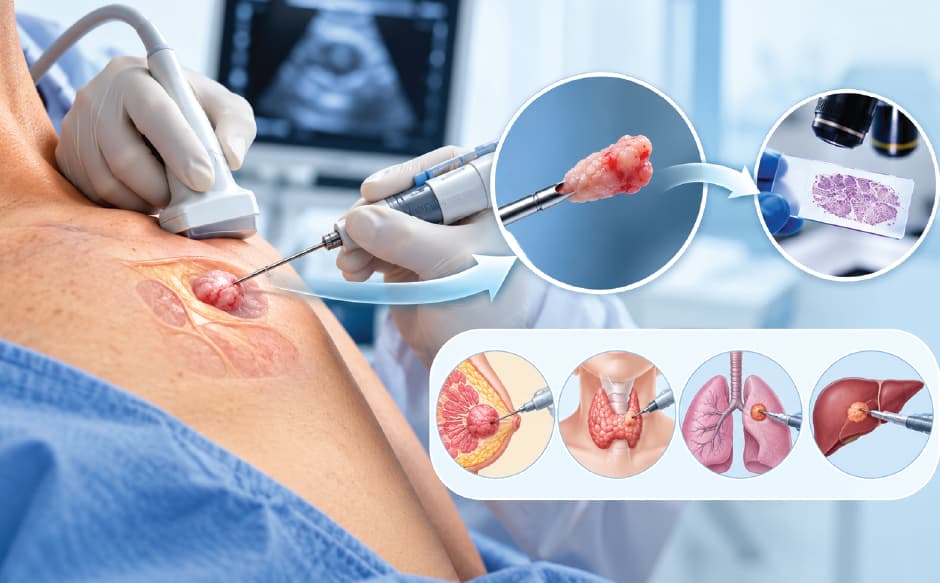
Biopsy: sometimes performed before definitive surgery to confirm tumor type, particularly if a metastasis from an unknown primary cancer is suspected
-
Multidisciplinary tumour board review, spine surgeons, oncologists, and radiologists jointly reviewing the imaging and biopsy results to decide the treatment sequence (surgery first, or radiation/chemotherapy first)
When Does a Spinal Tumor Actually Need Surgery?
Not every spinal tumor requires an operation. Small, asymptomatic, incidentally found tumors, a benign hemangioma spotted on a scan done for something else, for instance, are often simply monitored with periodic imaging.
Surgery is generally recommended when one or more of the following apply:
-
The tumor is compressing the spinal cord or nerve roots and causing symptoms.
-
There's evidence of spinal instability or risk of vertebral collapse.
-
The tumor is growing on serial scans.
-
A tissue diagnosis is needed and can only be obtained surgically.
-
Non-surgical treatment (radiation, chemotherapy) alone hasn't controlled tumor growth or symptoms.


Types of Spinal Tumor Surgery, Explained
The surgical approach depends on where the tumor is located, its size and type, how it is affecting the spinal cord or nerves, and whether complete removal is possible. Here are the main surgical techniques doctors may consider:
1. Microsurgical resection/decompression: The traditional approach: an operating microscope helps the surgeon separate tumor tissue from the spinal cord and nerves with maximum precision while removing as much tumor as safely possible.
2. Minimally invasive spine surgery (MISS) and endoscopic techniques: Using smaller incisions, tubular retractors, or an endoscope, surgeons can access many tumors, especially extradural and some intradural-extramedullary ones, with less muscle disruption. This generally translates to less blood loss, shorter hospital stays, and faster return to daily activity for suitable cases.
3. En bloc spondylectomy: For select primary tumors confined to a single vertebra, the entire vertebra containing the tumor is removed in one piece rather than piecemeal, reducing the chance of local recurrence. It's a complex, staged procedure typically reserved for specific primary bone tumors.
4. Intraoperative neuromonitoring (IONM): Continuous electrical monitoring of the spinal cord and nerve function during surgery, letting the surgical team detect early warning signs of nerve stress before permanent damage occurs, particularly important for intramedullary tumors.
5. Pre-surgical embolization: For highly vascular tumors, interventional radiologists may block the tumor's blood supply a day or two before surgery to reduce bleeding risk during the operation.
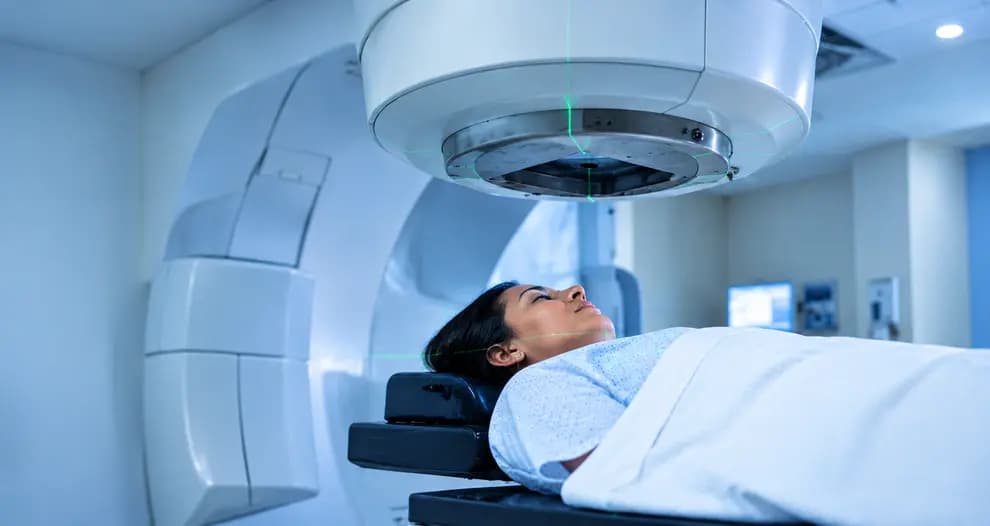
6. Radiation, radiosurgery, and chemotherapy: Stereotactic body radiotherapy or CyberKnife-based radiosurgery, along with chemotherapy where indicated, are frequently used alongside surgery, either to shrink a tumor before the operation, treat any remaining cells afterward, or manage tumors not fit for surgery at all.
Risks, Realistic Success Rates, and the Recovery Timeline
Like any surgery near the spinal cord, spinal tumor surgery carries real risks: bleeding, infection, cerebrospinal fluid leaks, spinal instability, and, because of the proximity to the spinal cord and nerve roots, the risk of new or worsened weakness or, rarely, paralysis. These risks are precisely why neuromonitoring, surgical experience, and careful patient selection matter so much.
The reassuring counterpoint: multiple published surgical series show that most patients with intradural-extramedullary tumors (the largest treatable group) experience significant neurological improvement after surgery, and complication rates for benign tumor resections are generally low with an experienced team.
| Recovery phase | Typical timeline | What to expect |
|---|---|---|
| Hospital stay | 4–7 days | Pain management, early mobilization, wound care |
| Return to light daily activity | 3–4 weeks | Surgical wound largely healed; gradual increase in movement |
| Physical therapy phase | 1–3 months | Rebuilding strength, balance, and walking ability |
| Neurological symptom improvement | Weeks to 12+ months | Highly variable, depends on how much nerve compression existed before surgery |
| Full functional recovery | 3–12 months | Especially for cases with pre-existing weakness or larger tumors |
(Recovery ranges compiled from published spine surgery patient-education resources; individual timelines vary by tumor type, size, and pre-surgical neurological status.)
Why Patients Are Choosing BMH's NAVA Cancer Institute for Spinal Tumor Care
When spinal tumor surgery is being considered, the right hospital needs more than surgical expertise. Patients benefit from a team that can evaluate the tumor, spine, neurological function and any underlying cancer together.
At Baby Memorial Hospital, the Institute of Neurosciences works alongside the NAVA Cancer Institute, creating a coordinated pathway for complex spinal tumor cases. This is particularly important when a tumor may be metastatic and requires both spinal and oncology evaluation.
What Patients Can Expect at BMH
-
Neurosurgery and oncology expertise: Spinal tumors can be assessed from both surgical and cancer-care perspectives.
-
Multidisciplinary planning: The tumour board can help determine whether surgery, radiation, systemic treatment or a combination is appropriate.
-
Minimally invasive expertise: Consultants including Dr. Sandesh Pacha have training in endoscopic and minimally invasive spine techniques, where suitable.
-
Individualised treatment: Surgery is considered based on the tumor's location, symptoms, spinal stability and neurological involvement rather than as an automatic first step.
-
Tertiary-care support: BMH offers dedicated operation theatres, ICU facilities and access to multiple specialties for complex cases.
-
Convenient coordinated care: Patients travelling from other parts of India or abroad can access spine and oncology services within the same hospital.
The key advantage is integrated care, treating the tumor while also protecting neurological function, maintaining spinal stability and addressing any underlying cancer.
Questions to Ask Your Spine Surgeon Before You Consent to Surgery
-
What is the goal of this surgery, complete removal, partial debulking, or decompression and stabilization?
-
Will you use intraoperative neuromonitoring during my procedure?
-
What is your experience with this specific tumor type and location?
-
Will I need spinal fixation, rods, or fusion, and how does that affect recovery?
-
What are the realistic chances my current symptoms will improve versus simply not worsen?
-
What does the recovery and follow-up imaging schedule look like after surgery?
Conclusion
A spinal tumor diagnosis is frightening largely because of how unfamiliar it sounds, but the reality is more specific and more manageable than it first appears. Most spinal tumors have a well-understood location, a known behaviour pattern, and an established surgical pathway with decades of refined technique behind it, from microsurgical resection to minimally invasive and endoscopic approaches.
What actually determines the outcome is timing, how early the symptoms were caught, and the experience of the multidisciplinary team managing the case, particularly when a spinal finding may be linked to cancer elsewhere in the body.
If you or a family member has persistent back pain accompanied by numbness, weakness, or any change in bladder or bowel control, the right next step is a spine MRI and a consultation with a specialist who can view the case alongside oncology expertise, not a wait-and-see approach.
Chat with our care assistant for guidance on next steps, or book a consultation with our specialists in Kozhikode.
Medical Disclaimer: This article is intended for general informational purposes only and does not constitute medical advice, diagnosis, or treatment. Every patient's condition is unique. Please consult a qualified spine surgeon or oncologist for evaluation and a treatment plan tailored to your specific symptoms and diagnostic reports.