
Inflammatory breast cancer (IBC) is a rare but aggressive form of breast cancer that grows and spreads rapidly, often within weeks or months. Unlike common breast cancers that form a lump, IBC involves the skin and lymphatic vessels of the breast, causing swelling, redness, and skin dimpling that resemble an infection.
This guide walks through what IBC actually looks like as it develops, how doctors tell it apart from infections like mastitis, and what treatment involves, along with how a coordinated cancer care team, like the one at Baby Memorial Hospital (BMH), approaches a diagnosis that genuinely cannot afford to wait.
What Is Inflammatory Breast Cancer?
IBC isn't a distinct "type" of breast cancer the way ductal or lobular carcinoma are, it's better understood as a clinical pattern. It develops when cancer cells block the tiny lymphatic vessels in the skin of the breast. Because lymph fluid can no longer drain normally, the breast becomes swollen, warm, and visibly inflamed, hence the name.
What makes IBC clinically distinct is speed and presentation, not cell type. According to UCSF Department of Surgery, a formal diagnosis requires redness covering at least a third of the breast, symptoms developing within the last six months, and biopsy-confirmed invasive carcinoma.
How it differs from a "regular" diagnosis: Most breast cancers are found as a discrete lump, often growing over months or years. IBC skips that stage almost entirely, there's frequently no lump to feel at all, because the cancer spreads diffusely through the skin's lymphatic channels rather than forming one mass. This is the single biggest reason IBC gets missed early.
Also Read: Breast Cancer Early Signs: When to Get Mammogram Screening
IBC vs. Mastitis vs. Typical Breast Cancer
A few key differences can help distinguish IBC from mastitis and typical breast cancer, particularly when redness, swelling, or skin changes appear without a clear lump.
| Feature | Inflammatory Breast Cancer | Mastitis (Infection) | Typical Breast Cancer |
|---|---|---|---|
| Onset speed | Days to weeks | Days | Months to years |
| Lump present | Usually absent | Sometimes (abscess) | Usually present |
| Skin appearance | Red, warm, orange-peel texture, over ⅓ of breast | Red, warm, localized | Often normal |
| Fever | Uncommon | Common | Absent |
| Response to antibiotics | No improvement | Improves within days | Not applicable |
| Diagnosis method | Skin/core biopsy | Clinical exam ± culture | Mammogram + biopsy |
The most useful clinical clue: mastitis responds to antibiotics within a few days; IBC does not. If redness and swelling persist or worsen after a full course of antibiotics, a biopsy should follow immediately rather than a second round of medication.
Symptoms of Inflammatory Breast Cancer
A Per Mayo Clinic and Cleveland Clinic:
- Sudden swelling of one breast, noticeably larger than the other
- Redness covering at least a third of the breast
- Skin that feels warm or hot to the touch
- Thickened, pitted skin resembling an orange peel
- Breast pain, heaviness, tenderness, itching, or burning
- Nipple inversion, flattening, or discharge
- Swollen lymph nodes under the arm or near the collarbone
- Rapid change, symptoms worsening within days to weeks, not months
Because IBC rarely causes a lump, self-exam habits built around "feeling for a lump" can miss it. The more reliable check: sudden, one-sided changes in size, color, or skin texture that don't resolve.


What Causes Inflammatory Breast Cancer? (Risk Factors)
The exact cause isn't fully understood, and unlike some breast cancers, IBC isn't strongly linked to a single genetic mutation. Associated risk factors include:
-
Age: median age at diagnosis is around 57, slightly younger than breast cancer overall (62).
-
Weight: obesity is more strongly associated with IBC than with other subtypes.
-
Race: some population studies show higher incidence in Black women versus White women.
-
Sex: IBC can occur in men, though rarely, at a slightly older median age.
Because IBC doesn't have a strong hereditary marker the way BRCA-linked cancers do, genetic screening alone isn't a reliable prevention strategy — vigilance about sudden breast changes matters more.
How Is Inflammatory Breast Cancer Diagnosed?
-
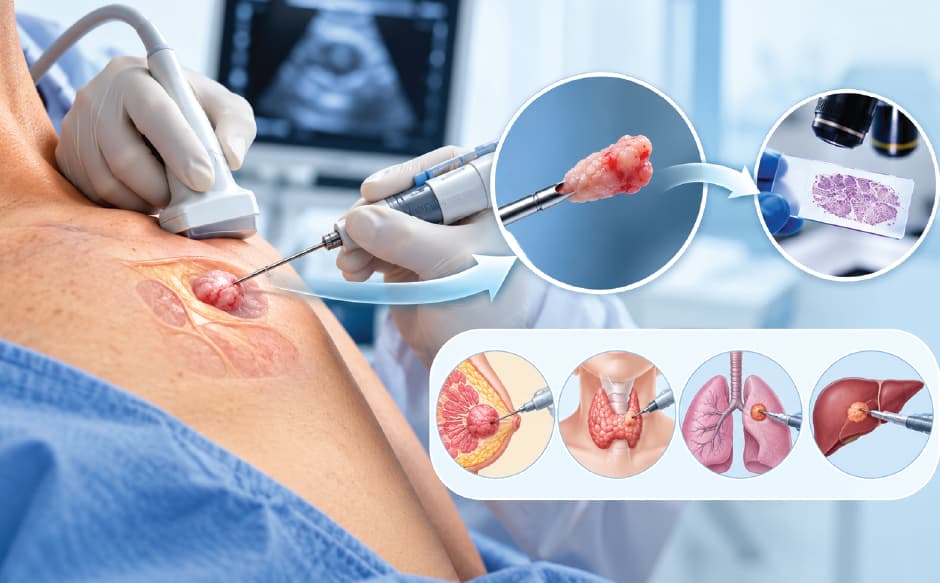
Biopsy and pathology: A skin punch biopsy or core needle biopsy is required to confirm IBC, imaging alone cannot make the diagnosis. The biopsy also identifies the biologic subtype: hormone-receptor positive, HER2-positive, or triple-negative, which materially changes treatment and prognosis.
-
Imaging and staging: Mammography, ultrasound, and often PET-CT or a bone scan assess spread to lymph nodes or distant organs. Because IBC has, by definition, already invaded the skin's lymphatics, it's almost always staged at least IIIB even before checking for spread elsewhere.
Inflammatory Breast Cancer Treatment
Treatment follows trimodal therapy, in a specific sequence:
-
Neoadjuvant chemotherapy (first): given before surgery to shrink the tumor and address microscopic spread, a key difference from most breast cancer protocols where surgery comes first.
-
Modified radical mastectomy (second): removal of the breast and nearby lymph nodes after chemotherapy has reduced disease burden. Breast-conserving surgery is generally not recommended for IBC.
-
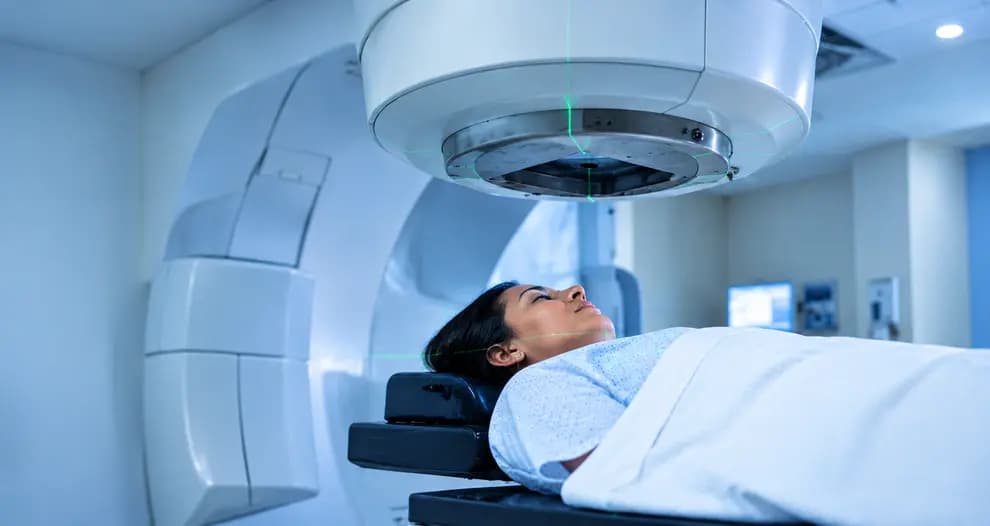
Radiation therapy (third): to the chest wall and lymph node regions, reducing local recurrence risk, which is historically higher in IBC.
-
Hormone/targeted therapy (subtype-dependent): hormone therapy for receptor-positive disease, HER2-targeted therapy for HER2-positive disease, typically continued for months to years afterward.
How Baby Memorial Hospital Approaches Inflammatory Breast Cancer Care
At Baby Memorial Hospital (BMH), suspected inflammatory breast cancer (IBC) is approached through a multidisciplinary diagnostic and treatment pathway.
The goal is to confirm the diagnosis, stage the disease accurately, and coordinate treatment without unnecessary delays.
At the NAVA Cancer Institute, specialists across disciplines work together, including:
-
Surgical oncology for biopsy assessment, surgical planning, and breast cancer surgery.
-
Medical oncology for systemic treatments such as chemotherapy and targeted therapies.
-
Radiation oncology for planning and delivering radiation when indicated.
-
Radiology and pathology for detailed imaging and tissue diagnosis.
-
Nuclear medicine for appropriate staging and treatment-related imaging.
BMH has diagnostic and treatment facilities including digital mammography, PET-CT, dual 1.5T MRI, and LINAC TrueBeam radiation technology. These resources support the evaluation and management of complex breast cancers such as IBC.
For patients coming from other parts of Kerala, other Indian states, or abroad, coordination support can help streamline appointments, consultations, treatment planning, and continuity of medical records.
IBC requires treatment to be carefully sequenced, so having multiple cancer specialties involved in one coordinated pathway can help patients move from diagnosis to treatment with fewer gaps. The exact treatment plan, however, depends on biopsy findings, cancer stage, biomarkers, and the patient's overall health.
Conclusion
Inflammatory breast cancer is uncommon, but its speed and unusual presentation, redness, swelling, and skin changes without a lump, make it one of the easiest cancers to miss in its earliest, most treatable window. If a breast change looks or behaves like an infection but doesn't improve with antibiotics within a few days, that's the clearest signal to ask for a biopsy rather than a second round of medication.
Diagnosis relies on tissue confirmation, not imaging alone, and treatment follows a specific sequence, chemotherapy, then surgery, then radiation, that benefits from being managed by one coordinated oncology team rather than pieced together across facilities.
Outcomes for IBC have improved meaningfully with modern multimodal care, and how quickly that care begins remains one of the most controllable factors in the outcome.
If you're noticing sudden redness, swelling, or skin changes in one breast, don't wait out a second round of antibiotics. Chat with our assistant to get connected with BMH's oncology team for a prompt evaluation, or book a consultation.
Medical Disclaimer: This article is intended for general informational purposes only and does not constitute medical advice, diagnosis, or treatment. Always consult a qualified oncologist or physician for evaluation of any breast changes or symptoms. Baby Memorial Hospital does not guarantee specific treatment outcomes; individual prognosis depends on stage at diagnosis, biologic subtype, and response to treatment.