
Cervical cancer is one of the most preventable cancers when detected early through regular screening. Early detection not only catches precancerous changes before they become cancer, but it also saves lives and reduces the need for more aggressive treatment.
This guide walks you through the screening tests and procedures doctors use to detect cervical cancer, what to expect during each step, and how to take charge of your health.
What Is Cervical Cancer and Why Detection Timing Matters
Cervical cancer starts in the cells lining the cervix, the narrow passage connecting the uterus to the vagina. In more than 99% of cases, it's driven by persistent infection with high-risk strains of human papillomavirus (HPV), a very common virus that most sexually active adults will encounter at some point. In most people, the immune system clears HPV on its own within one to two years.
The problem is what happens when it doesn't clear. Persistent high-risk HPV infection can slowly cause normal cervical cells to change into precancerous cells (a stage called cervical intraepithelial neoplasia, or CIN), and, left unchecked, precancerous cells can progress to invasive cancer.
This transformation is typically slow, often unfolding over 10 to 15 years. That long, mostly symptomless runway is precisely why detection matters more than almost anything else in this disease: a test at year 3 can catch something that, left alone, might not cause symptoms until year 12.
Who Should Get Screened, and How Often
Screening guidelines vary slightly by country and by which test is used, but the general framework followed by most gynaecologists and oncologists in India looks like this:
| Age Group | Recommended Test | Suggested Frequency |
|---|---|---|
| Below 21 | Screening not routinely recommended | — |
| 21–29 | Pap smear (cytology) | Every 3 years |
| 30–65 | HPV DNA test alone, or Pap + HPV co-test | Every 5 years (HPV alone) or every 5 years (co-test) |
| Above 65 | Usually can stop, if prior screening history is adequate and normal | As advised by your doctor |
| Any age with symptoms or high-risk factors | Pelvic exam ± Pap/HPV regardless of last screening date | On presentation |
These are general benchmarks, your gynaecologist may recommend closer follow-up if you've had abnormal results before, have a weakened immune system, or were exposed to DES in utero. If you've never been screened and you're over 25, don't wait for a "round number" birthday to start.
How Is Cervical Cancer Detected? The Step-by-Step Diagnostic Pathway
Detection isn't one test, it's usually a sequence, where each step only happens if the previous one raises a question. Here's how the pathway actually works in practice.
Step 1: Pelvic Exam and Symptom Review
Every diagnostic pathway starts with a clinical conversation and a pelvic exam. Your doctor will ask about menstrual changes, bleeding patterns, discharge, and pain, and will visually and physically examine the cervix. In many cases, a visibly abnormal cervix or unexplained bleeding is what prompts testing outside the routine screening schedule.
Step 2: Pap Smear (Cervical Cytology)
The Pap smear is still the most widely used first-line screening test globally. A clinician uses a small brush or spatula to collect cells from the surface of the cervix, which are then examined under a microscope for abnormal changes. It's quick, usually under a minute of actual sample collection and mildly uncomfortable at most. A Pap smear doesn't diagnose cancer; it flags cells that look different from normal and need a closer look.
Step 3: HPV DNA Test
Rather than looking at cell shape, the HPV DNA test looks for the genetic material of high-risk HPV strains directly, often from the same sample used for a Pap smear (this is called co-testing). Because it identifies the underlying viral cause rather than downstream cell changes, HPV testing has become the primary screening method in many countries' updated guidelines, particularly for women 30 and older.
Step 4: Colposcopy
If a Pap smear comes back abnormal, or an HPV test is positive, the next step is usually a colposcopy, not a diagnosis, but a magnified visual inspection. A colposcope (a lighted, magnifying instrument that stays outside the body) lets the doctor examine the cervix closely, often after applying a mild vinegar-like solution that makes abnormal areas easier to see. It's uncomfortable for some, painful for very few, and typically takes 10–15 minutes.
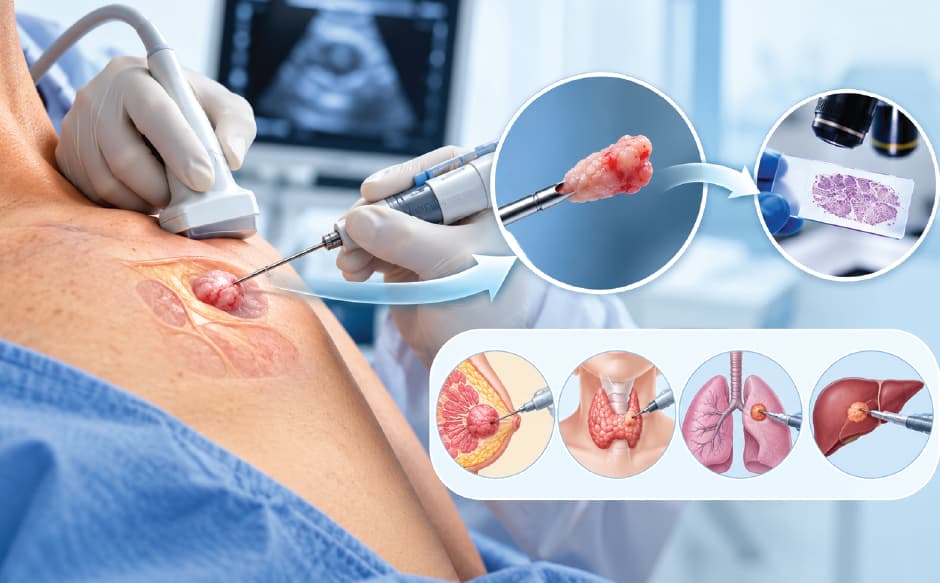
Step 5: Cervical Biopsy (the Confirmatory Test)
This is the step that actually confirms or rules out cancer. If colposcopy reveals a suspicious area, the doctor removes a small tissue sample, sometimes just a few millimetres, and sends it to a pathology lab for microscopic examination. No blood test, scan, or screening test can substitute for a biopsy when it comes to a definitive diagnosis; it remains the clinical gold standard.
Step 6: Imaging and Staging (Once Cancer Is Confirmed)
If a biopsy confirms cervical cancer, the focus shifts from detection to staging, figuring out how far the cancer has spread, which determines treatment. This typically involves MRI of the pelvis, CT scans, and often a PET-CT to check lymph node and distant spread. Staging accuracy at this point has a direct downstream effect on whether treatment is surgery-first, radiation-based, or a combination.
Quick-reference test comparison:
| Test | What It Checks | Confirms Cancer? | Typical Discomfort |
|---|---|---|---|
| Pap smear | Abnormal cell changes | No — screening only | Mild, brief |
| HPV DNA test | Presence of high-risk HPV | No — screening only | Mild, brief (same sample as Pap) |
| Colposcopy | Visual abnormality of cervix | No — guides biopsy | Mild to moderate |
| Biopsy | Tissue diagnosis | Yes — definitive | Mild cramping, brief |
| MRI/CT/PET-CT | Spread/stage of confirmed cancer | N/A — staging, not diagnosis | None (non-invasive) |
Also Read: Early Stage Cancer Treatment Options That Actually Work


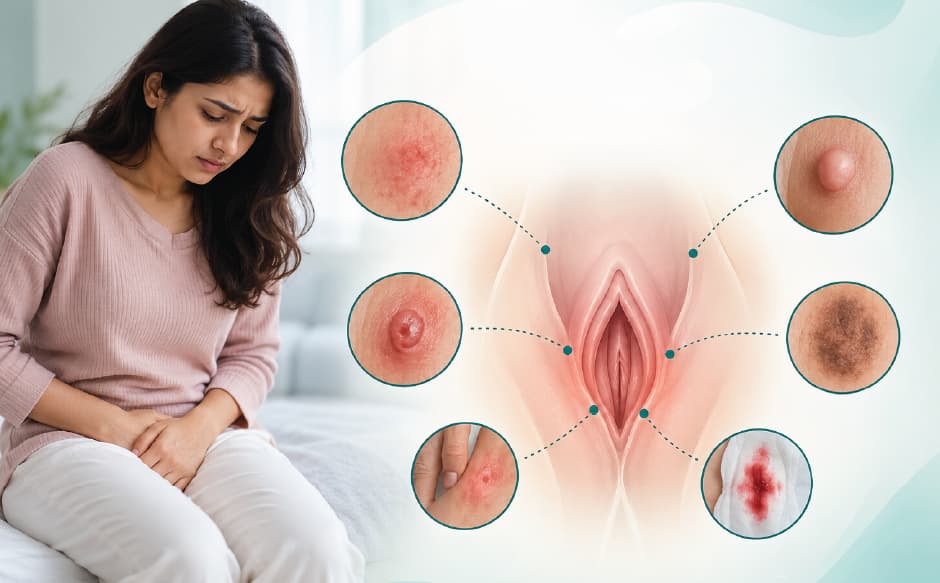
Symptoms That Should Prompt Testing Sooner Than Your Routine Screening Date
Early cervical cancer and precancer are usually symptomless, which is the entire argument for screening rather than waiting for symptoms. But if any of the following appear, don't wait for your next scheduled test:
- Bleeding between periods, after menopause, or after intercourse
- Unusually heavy or prolonged menstrual bleeding
- Watery, bloody, or foul-smelling vaginal discharge
- Pelvic pain not related to your menstrual cycle
- Pain during intercourse
None of these confirm cancer on their own, several common, non-cancerous conditions cause the same symptoms but they're a clear signal to get examined rather than assume it will resolve on its own.
Understanding Test Results
Cervical screening and diagnostic test results can sometimes feel confusing, so understanding what they mean is important for your peace of mind and decision-making. Results are typically reported using standardized terminology that describes the severity of cell changes found.
| Result Type | What It Means | Next Steps |
|---|---|---|
| Normal or Negative | No abnormal cells detected | Continue routine screening as recommended |
| ASCUS (Atypical Squamous Cells of Undetermined Significance) | Mild abnormality; may clear on its own | Repeat testing or HPV testing in 6-12 months |
| LSIL (Low-Grade Squamous Intraepithelial Lesion) | Mild precancerous changes | Colposcopy or repeat cytology as advised |
| HSIL (High-Grade Squamous Intraepithelial Lesion) | Moderate to severe precancerous changes | Colposcopy and possible treatment needed |
| Cervical Cancer | Malignant cells detected | Immediate referral to oncology specialist |
It is important to remember that abnormal results do not mean you have cancer. Many abnormalities resolve without treatment, and others are treatable when caught early. Your healthcare provider will explain your specific results and recommend appropriate follow-up or treatment based on the severity of findings.
Also Read: Recommended Cancer Screening Tests for Every Adults
Why Patients Travel to NAVA Cancer Institute at Baby Memorial Hospital for Cervical Cancer Diagnosis and Care
If you're reading this because you or someone you love has received an abnormal cervical screening result, it helps to understand what a coordinated diagnostic pathway looks like. Cervical cancer is one of the few cancers that can often be detected and treated before it becomes advanced, but that depends on timely diagnosis and seamless care. When patients have to move between multiple clinics, laboratories, and imaging centres, valuable time can be lost.
At NAVA Cancer Institute, in partnership with the American Oncology Institute (AOI) at Baby Memorial Hospital (BMH), Kozhikode, the diagnostic and treatment pathway is designed to be coordinated under one roof.
Comprehensive Diagnosis Without Multiple Referrals
Patients can access the complete cervical cancer diagnostic pathway through coordinated care between the Department of Obstetrics & Gynaecology and the oncology team, including:
- Pelvic examination
- Pap smear and HPV testing
- Colposcopy
- Cervical biopsy
- CT, MRI, or PET-CT imaging for staging when required
Rather than carrying reports between separate hospitals and laboratories, patients benefit from coordinated evaluation that helps speed up diagnosis and treatment planning.
Another important advantage is BMH's dedicated Preventive Oncology Clinic, which focuses on the early detection of cancers that commonly affect women, including:
- Cervical cancer
- Breast cancer
- Ovarian cancer
- Colorectal cancer
This preventive approach reflects the hospital's emphasis on identifying disease early, when treatment is generally more effective and less complex.
Advanced Radiation Therapy for Cervical Cancer
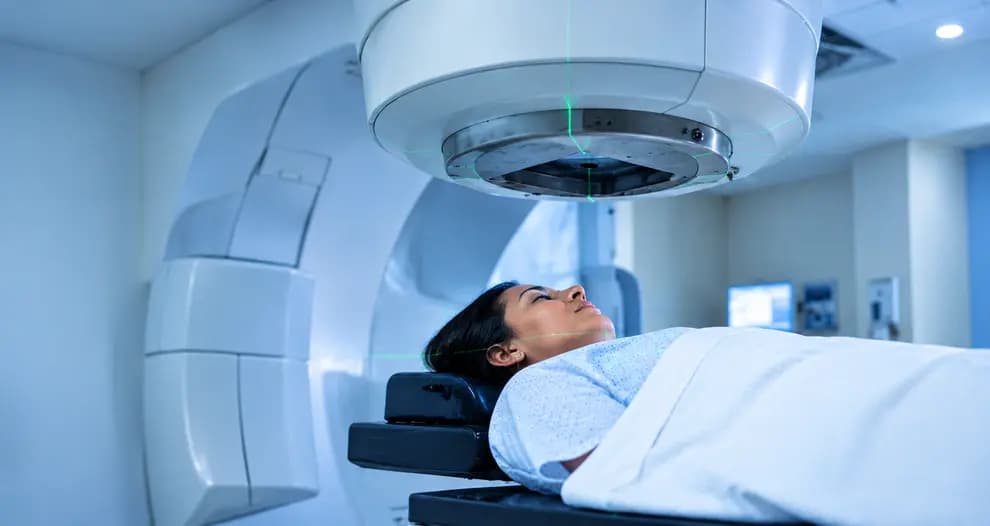
For women diagnosed with locally advanced cervical cancer, NAVA Cancer Institute offers both external and internal radiation therapy at the same centre.
Available technologies include:
- TrueBeam image-guided external radiotherapy (IGRT)
- GammaMedplus iX high-dose-rate (HDR) brachytherapy
Having both treatment modalities available within one hospital allows patients to complete their planned radiation treatment without needing referral to another centre.
Also Read: 20 Questions To Ask Your Oncologist: Complete Guide
Supporting Patients from Kerala, Across India, and Overseas
Baby Memorial Hospital has been serving patients in Kozhikode since 1987 and today operates a 500-bed multispecialty hospital caring for patients from:
- Kerala
- Other Indian states
- Gulf countries
- International destinations
For many women, cost and access remain significant reasons for delaying cervical cancer screening. A centre that combines comprehensive diagnostics, advanced radiation technology, specialist oncology expertise, and coordinated patient services can help reduce unnecessary delays and simplify the treatment journey.
NAVA Cancer Institute has become a recognised destination for cervical cancer care in North Kerala not because it offers a single test or treatment, but because it provides the complete continuum of diagnosis, staging, and treatment in one integrated setting.
Have questions about your Pap smear, HPV test result, or next steps? Chat with our assistant now, at NAVA Cancer Institute, Baby Memorial Hospital, Kozhikode, to schedule a screening or a second opinion.
Medical Disclaimer: This article is intended for general informational purposes only and does not constitute medical advice, diagnosis, or treatment recommendations. Cervical cancer screening intervals, test choice, and follow-up care should always be determined in consultation with a qualified gynaecologist or oncologist based on individual medical history. If you are experiencing symptoms, please seek prompt medical attention rather than relying solely on information in this article.