
Being diagnosed with cancer and completing treatment is a significant milestone, yet many survivors live with the understandable fear that cancer might return. The good news is that knowing what to watch for helps you stay informed and catch any changes early.
This guide breaks down the early warning signs of cancer recurrence by category, explains when a symptom needs a same-week appointment versus a same-day one, and looks at how survivorship follow-up works at NAVA Cancer Institute, the oncology programme at Baby Memorial Hospital (BMH) in Kozhikode.
What Is Cancer Recurrence and Why Does It Happen?
Cancer recurrence means the same cancer has come back after a period of no detectable disease, most oncologists define this as at least one year of being cancer-free.
It happens because initial treatment, however successful, can leave behind microscopic cancer cells too small for imaging or blood tests to detect. Over months or years, these dormant cells can begin growing again.
It's important to separate this from a second, unrelated cancer diagnosis, that's a new disease, not a recurrence, and it's evaluated differently.
Local, Regional, and Distant Recurrence: What's the Difference?
Where the cancer reappears changes both the symptoms and the treatment approach.
| Recurrence Type | Where It Happens | Typical Symptom Pattern |
|---|---|---|
| Local | Same organ or site as the original tumour | A new lump or growth at or near the original site |
| Regional | Nearby lymph nodes | Swelling or a lump in the neck, armpit, groin, or collarbone area |
| Distant (metastatic) | A different part of the body, bones, lungs, liver, brain | Symptoms unrelated to the original site, e.g., bone pain, breathlessness, headaches |
Also Read: Cancer Remission vs Recurrence: How to Tell the Difference
The Recurrence Timeline: When Is the Risk Highest?
Recurrence risk isn't flat over time, it peaks early and then tapers, though the taper speed differs by cancer type.
Hormone-sensitive breast cancers, for instance, show a more even spread: roughly half of estrogen receptor-positive breast cancer recurrences happen within the first five years, and the remaining half occur later, sometimes a decade or more out. Other cancers front-load their risk far more heavily into the first two to three years.
| Cancer Type | Highest-Risk Window | Follow-Up Implication |
|---|---|---|
| Breast (hormone receptor-positive) | Spread across 10+ years | Long-term annual monitoring needed |
| Breast (triple-negative) | First 3–5 years | Closer, more frequent early monitoring |
| Colorectal | First 2–3 years | Intensive scan schedule in early years |
| Prostate | Within 5 years (20–30% risk) | Regular PSA testing |
| Head & Neck | First 2 years | Frequent clinical exams |
10 Early Signs of Cancer Recurrence You Should Never Ignore
Symptoms of recurrence vary by cancer type and by where the disease returns, but certain patterns show up consistently across cancers.
1. Return of Your Original Cancer Symptoms
The most direct warning sign is the reappearance of whatever symptom led to your original diagnosis, a lump, a persistent cough, abnormal bleeding, or unexplained pain in the same region.
2. A New Lump, Swelling, or Skin Change
A new lump at the original site, in a scar line, or in nearby lymph nodes (neck, armpit, groin) deserves prompt evaluation, even if it feels small or painless.
3. Unexplained Weight Loss
Losing weight without changes to diet or activity is one of the more nonspecific but consistently reported signs of recurrence, particularly with distant spread.
4. Fatigue That Doesn't Improve With Rest
Some post-treatment tiredness is normal. Fatigue that's new, worsening, or doesn't respond to rest and sleep is different, and worth flagging to your care team.
5. Persistent Bone Pain
Bone pain that doesn't resolve, especially in the back, hips, or ribs, can indicate the cancer has spread to bone, a common site for distant recurrence in several cancer types.
6. A Cough, Breathlessness, or Chest Pain
That Won't Go Away When a cancer recurs in the lungs, whether as the primary site or a metastatic one, coughing, difficulty breathing, or chest discomfort are frequent early indicators.
7. New Headaches, Seizures, or Neurological Symptoms
A recurrence involving the brain can present as new or worsening headaches, seizures, vision changes, or difficulty with balance and coordination.
8. Changes in Bowel or Bladder Habits
For colorectal, bladder, and pelvic cancers, a noticeable and lasting change in bowel or urinary patterns is a symptom that warrants investigation rather than a wait-and-watch approach.
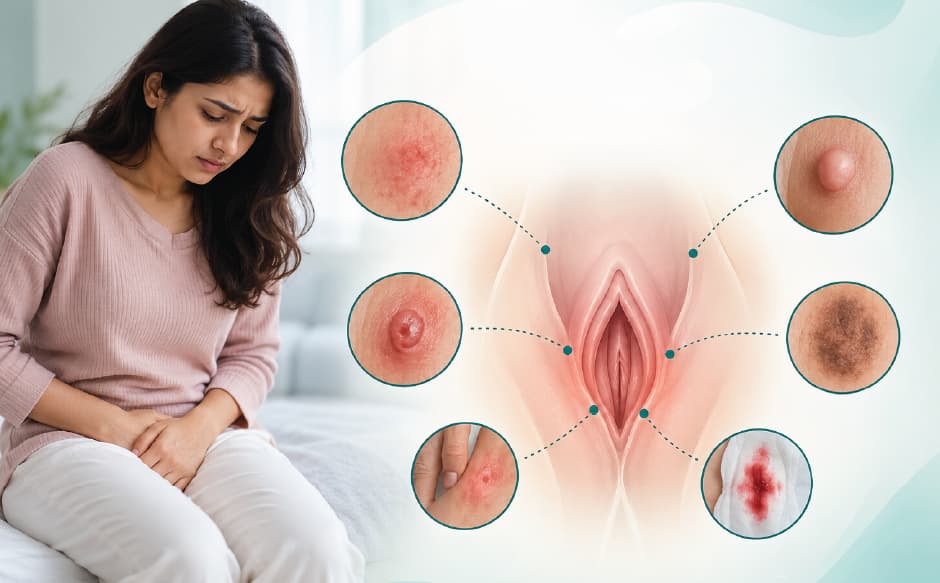
9. Unusual Bleeding or Discharge
Unexpected bleeding or discharge from the breast, in the urine or stool, or from any site relevant to your original cancer, should always be reported promptly.
10. Rising Tumour Markers on Routine
Blood Work For cancers with reliable markers (PSA for prostate, CA-125 for ovarian, CEA for colorectal), a rising trend on routine blood tests can flag recurrence before any physical symptom appears at all, which is exactly why scheduled blood work matters even when you feel completely fine.
A useful rule for survivors: symptoms that are new, that don't fade after a few weeks, or that mirror your original diagnosis deserve a call to your oncology team, not a search engine.


Why Follow-Up Care Matters More Than a Yearly Scan
It's tempting to think of survivorship as "done" once active treatment ends. In reality, follow-up care is an active phase of cancer management, not an afterthought. A survivorship care plan typically outlines a personalised schedule of physical exams, imaging, and blood work based on your specific cancer type, stage, and treatment history.
-
What a Survivorship Care Plan Actually Tracks.
-
Physical exams at intervals matched to your recurrence risk window.
-
Imaging (CT, MRI, PET, or ultrasound) where relevant to your cancer type.
-
Blood-based tumour marker tracking.
-
Documentation of any new or ongoing symptoms between visits.
-
Screening for treatment-related late effects, not just recurrence itself
Skipping these visits because you feel well is one of the more common and avoidable, reasons recurrences get caught later than they should.
When to Call Your Oncologist vs. When to Go to the ER
Not every symptom needs an emergency visit, and not every symptom can wait for your next scheduled appointment. As a general guide:
-
Call your oncology team within days: a new lump, unexplained weight loss, persistent fatigue, a lingering cough, or any symptom that mirrors your original cancer.
-
Seek urgent or emergency care: sudden severe headache, seizure, difficulty breathing, uncontrolled bleeding, or sudden severe pain.
When in doubt, most oncology teams would rather you call and be reassured than wait and be right.
Practical Steps That Can Lower Your Recurrence Risk
While no approach eliminates recurrence risk entirely, certain habits are consistently associated with better long-term outcomes for survivors:
-
Attend every scheduled follow-up visit, even when you feel completely well Report new or persistent symptoms promptly rather than waiting for your next appointment.
-
Maintain a healthy body weight and stay physically active, as advised by your oncology team.
-
Avoid tobacco and limit alcohol, both linked to higher recurrence risk in several cancers.
-
Keep a simple symptom log so you can describe changes accurately at appointments.
-
Address anxiety around recurrence with your care team or a counsellor, untreated fear of recurrence can itself affect follow-up adherence
Inside NAVA Cancer Institute at Baby Memorial Hospital: How Kozhikode Patients Are Monitored for Recurrence
If you're a survivor in North Kerala trying to figure out where consistent, structured follow-up actually happens, it's worth understanding how this works locally.
Baby Memorial Hospital has been treating patients in the Malabar region since 1987, nearly four decades of continuous multi-specialty care. In February 2026, the hospital consolidated its oncology services under NAVA Cancer Institute, bringing medical oncology, surgical oncology, radiation oncology, nuclear medicine, paediatric oncology, and haemato-oncology (including bone marrow transplant support) into a single, connected programme rather than separate departments operating in isolation.
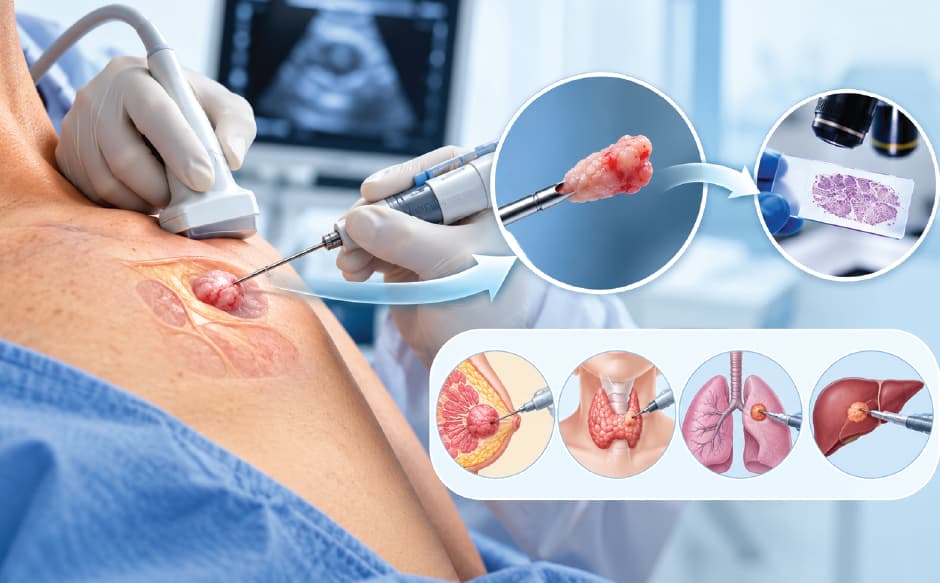
For recurrence monitoring specifically, this matters because follow-up isn't just about scans, it's about imaging, pathology, and oncology consultation happening in coordination, so a rising marker or a suspicious symptom gets read and acted on quickly rather than routed between disconnected clinics.
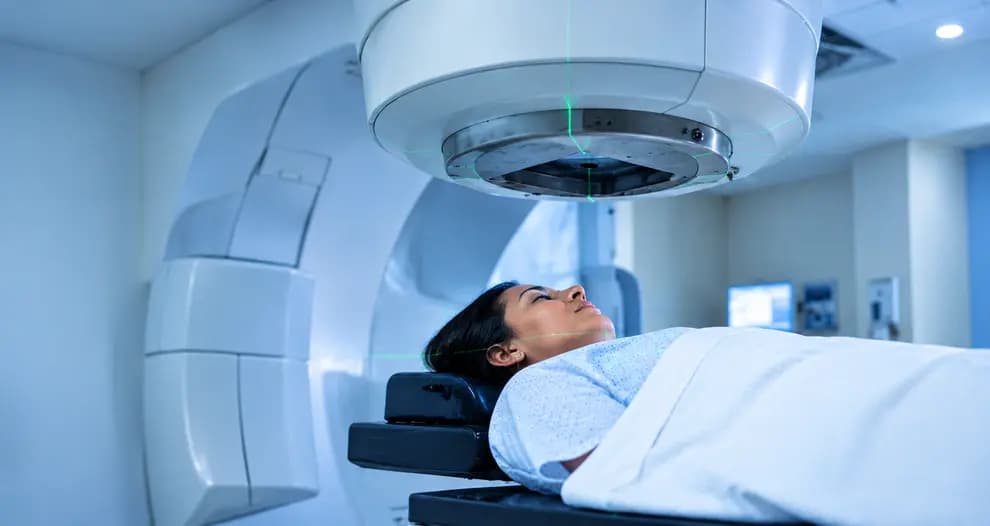
On the technology side, the radiation oncology department runs a TrueBeam linear accelerator for external-beam radiation alongside a GammaMedplus iX brachytherapy system for internal, targeted radiotherapy, used across cervical, endometrial, prostate, breast, and head-and-neck cancers (Baby Memorial Hospitals). The radiation oncology team is led by Dr. P. R. Sasindran, who brings over 37 years of experience in HDR brachytherapy, IMRT, VMAT, and IGRT, while surgical oncology at BMH includes specialists such as Dr. John J Alapatt, who has managed complex cancer surgeries across multiple centres before joining BMH.
For patients, including a meaningful number who travel from outside Kerala and outside India, NAVA Cancer Institute is structured around transparent, cost-effective pricing, dedicated case management, and multilingual support, so that the cost of a follow-up scan or consultation isn't the reason a recurrence gets caught late.
Conclusion
Cancer recurrence is one of the most common fears survivors carry, but it doesn't have to mean living in constant alertness. Knowing the specific signs, a returning symptom, a new lump, unexplained fatigue, bone pain, or a rising marker on routine blood work, turns vague anxiety into something actionable.
Recurrence risk is highest in the first few years after treatment, which is exactly why a structured, consistent follow-up plan matters more than any single scan. For survivors in Kerala, where cancer incidence runs higher than the national average, having accessible, coordinated oncology follow-up close to home, like the model NAVA Cancer Institute at Baby Memorial Hospital has built in Kozhikode, can be the difference between catching a recurrence early and catching it late.
You don't need to self-diagnose from a search result. Chat with our Cancer Care Assistant to understand what your symptoms might mean and what type of consultation to book.
Medical Disclaimer This article is intended for general informational purposes only and does not constitute medical advice, diagnosis, or treatment. Every cancer diagnosis and recurrence pattern is different. Always consult a qualified oncologist or your treating physician regarding any new or persistent symptoms, before making decisions about your health, or before starting, stopping, or changing any treatment.