
Colorectal cancer is one of the most common cancers in India, but catching it early and understanding your treatment options makes a real difference in outcomes. Whether you have just received a diagnosis or are exploring your options, this guide walks you through the main treatment approaches, especially surgery, and helps you prepare for conversations with your care team. Read on to understand what happens before, during, and after treatment.
What is Colorectal Cancer and Why Treatment Matters
Colorectal cancer develops when malignant cells form in the colon or rectum. It usually starts as a small growth called a polyp, which can take many years to become cancerous, which is why screening in time saves lives.
The type of surgery depends on the tumour’s location, size, and stage. Common procedures include:
- Colectomy: Removal of the cancerous portion of the colon.
- Proctectomy: Removal of part or all of the rectum when cancer is located in the rectal area.
- Anastomosis: Reconnecting the healthy ends of the bowel after the diseased section is removed.
- Lymph node dissection: Removal and examination of nearby lymph nodes to check cancer spread.
- Surgical margin assessment: Ensuring the removed tissue has a clear border around the cancer to reduce the risk of remaining tumour cells.
Understanding Your Colorectal Cancer Diagnosis
When you receive a colorectal cancer diagnosis, your medical team performs several tests to understand how advanced the cancer is. These tests include colonoscopy (viewing the inside of your colon), CT or MRI imaging to see if cancer has spread, and blood tests to check tumor markers. Staging helps classify your cancer from Stage I (early, confined to the colon wall) to Stage IV (spread to distant organs).
Your age, overall health, and other medical conditions also influence treatment recommendations. Some patients worry that a diagnosis means immediate surgery, but your doctors will discuss all options, timelines, and what to expect. Having honest conversations with your care team about your goals, whether that is cure, extending life, or maintaining quality of life, helps shape the best plan for you. Don't hesitate to ask questions or seek a second opinion; understanding your diagnosis builds confidence in your treatment journey.
Surgical Treatment Options for Colorectal Cancer
Surgery is the main treatment for most colorectal cancers. The type of surgery depends on where the cancer is located and how far it has spread. For cancers in the colon, a hemicolectomy (removal of part of the colon) is common, while rectal cancers may need total mesorectal excision or a low anterior resection. Some early cancers, found during screening, can be removed using minimally invasive endoscopic techniques without major surgery.
Laparoscopic (keyhole) surgery is increasingly used because it causes less pain, shorter hospital stays, and faster recovery compared to open surgery. Your surgeon will explain which approach is best for your specific situation.
After surgery, the remaining parts of your bowel are rejoined so that waste still moves normally in most cases. In rare instances, when the cancer is very low in the rectum, a temporary or permanent colostomy (opening on the abdomen to collect waste) may be necessary. Modern surgical techniques and careful planning mean that bowel function and quality of life are preserved for the vast majority of patients.
Non-Surgical Treatment Approaches
While surgery is the foundation of colorectal cancer treatment, other therapies play vital roles depending on the stage and individual factors. Chemotherapy uses powerful drugs to kill cancer cells throughout the body and is often given before (neoadjuvant) or after (adjuvant) surgery to reduce the risk of recurrence.
Radiation therapy targets cancer cells with high-energy beams and is especially common for rectal cancers because it can help shrink tumors before surgery and reduce recurrence rates. Targeted therapy and immunotherapy are newer approaches that work by targeting specific features of cancer cells or helping the immune system fight cancer.
These treatments may be used alone, in combination with each other, or alongside surgery. The choice depends on the cancer stage, your overall health, and how well previous treatments worked. According to research published in The Lancet Oncology, combining modalities improves outcomes for advanced colorectal cancers. Your oncology team will explain which treatments are recommended and what side effects to expect.


Creating Your Personalized Treatment Plan
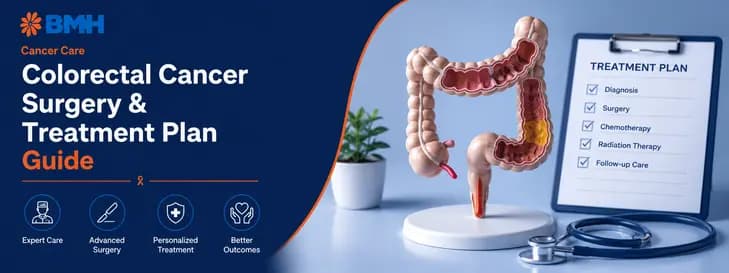
Your treatment plan is tailored to you, not a one-size-fits-all approach. Your oncology team meets to review your scan, stage, age, fitness level, and personal preferences to recommend the best sequence of treatments.
Some patients undergo surgery first, followed by chemotherapy if needed. Others receive chemotherapy and radiation before surgery to shrink the tumor. This planning meeting, sometimes called a tumor board, ensures every expert, surgeon, medical oncologist, radiation oncologist, and specialist nurses, contributes their insight.
You will receive a written summary of your plan, including the timeline and expected side effects. Regular follow-up appointments monitor how you are tolerating treatment and adjust the plan if needed.
It is completely normal to feel overwhelmed; ask for support from social workers, counselors, or patient support groups. The American Society of Clinical Oncology emphasizes that shared decision-making leads to better patient satisfaction and outcomes. Your concerns and values should shape every decision.
Recovery and Life After Colorectal Cancer Treatment
Recovery timelines vary depending on the type of surgery and additional treatments you received.
After major abdominal surgery, most patients spend 3-5 days in the hospital and take 4-6 weeks to return to normal activities. Laparoscopic surgery often means going home within 1-2 days.
During recovery, you may experience pain controlled with medications, changes in bowel habits, and fatigue that improves week by week. Physical activity, guided by your doctors, speeds recovery and improves mood. Dietary changes help manage any temporary digestive issues; a nutritionist can advise.
Follow-up care is crucial and includes regular clinic visits, scans, and blood tests to watch for recurrence. Most colorectal cancer survivors settle into a "new normal" within a few months, resuming work, hobbies, and relationships.
Late side effects, such as bowel changes or sexual function, can be managed with ongoing specialist support. Psychological support is equally important; many survivors benefit from counseling or support groups. Living beyond colorectal cancer is possible and increasingly common with modern treatments.
When to Seek Specialist Care
If you have symptoms suggestive of colorectal cancer, persistent changes in bowel habits, blood in stool, unexplained weight loss, or abdominal pain, do not delay seeing a doctor.
Early diagnosis dramatically improves treatment options and outcomes. Baby Memorial Hospital oncology teams in Kozhikode, Kannur, Thodupuzha, Payyanur, and Vadakara are experienced in managing colorectal cancer with a multidisciplinary approach, combining surgery, chemotherapy, radiation, and supportive care.
We work with local and national patient referral networks to ensure continuity of care, whether you are being treated locally or need consultation from specialists. Our centers are equipped with modern imaging, surgical facilities, and supportive services.
If you have been diagnosed elsewhere or wish a second opinion, we welcome you to discuss your case with our team. A timely consultation with a specialized oncology center can give you confidence in your treatment plan and access to the latest evidence-based options.
If you or a family member has been diagnosed with colorectal cancer or has symptoms that concern you, reach out to our oncology team.
We serve patients across Kozhikode, Kannur, Thodupuzha, Payyanur, and Vadakara with comprehensive surgical and medical oncology services.
Contact us today to schedule a consultation and take the first step toward a personalized treatment plan.