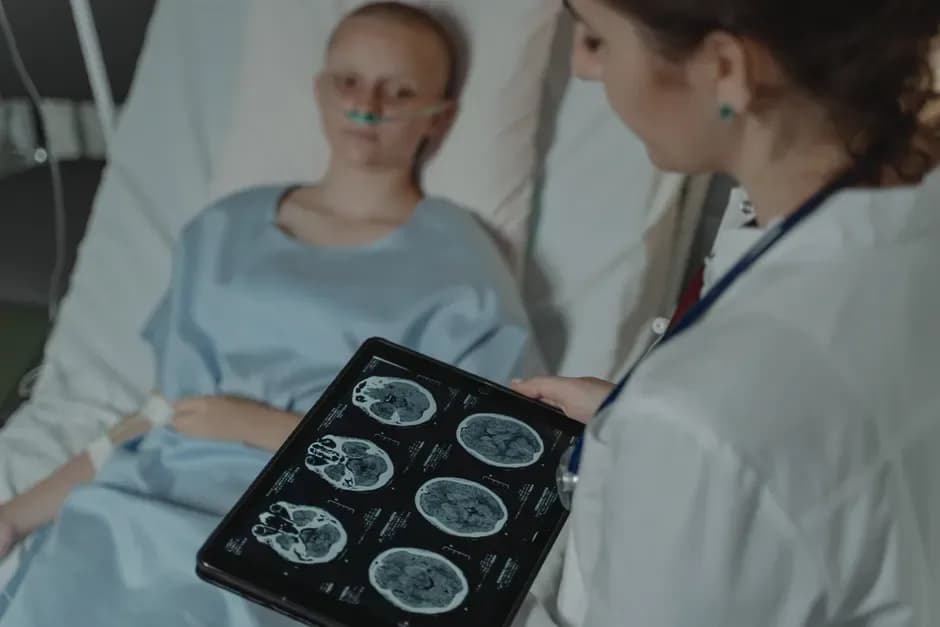

Yes, chemo brain is a real and well-documented side effect that affects many cancer patients during and after treatment. Also called cancer-related cognitive impairment, cancer fog, or chemo fog, it involves difficulty concentrating, memory lapses, and trouble with multitasking or finding the right words. This article explains what research shows about chemo brain, who is most at risk, and practical strategies to manage these cognitive changes during your cancer journey.
What Is Chemo Brain and Is It Real
Chemo brain is real and recognised by major cancer organisations worldwide. It refers to persistent difficulties with memory, concentration, and thinking that some cancer patients experience during or after chemotherapy treatment. The condition is not imaginary, it's a measurable change in cognitive function that your brain experiences, though the exact mechanisms are still being researched. Unlike temporary forgetfulness, chemo brain affects your ability to complete daily tasks, work, or engage in activities you previously managed easily. Your doctors and nurses won't dismiss these symptoms; they're trained to recognise and address them as part of your overall cancer care.
How Common Is Chemo Brain Among Cancer Patients
Research indicates that 25 to 75 percent of cancer patients report cognitive changes during or after chemotherapy, though estimates vary depending on the study and population measured. This wide range reflects differences in how cognitive impairment is defined and assessed across research centres. The National Cancer Institute has documented cognitive changes in cancer survivors, making it one of the most frequently reported quality-of-life concerns. The prevalence is highest immediately after treatment completion, though some patients experience persistent symptoms years later. Not every patient on chemotherapy develops noticeable chemo brain; individual sensitivity and treatment intensity both play a role.
What Causes Chemo Brain During Cancer Treatment
The exact cause of chemo brain remains partly unclear, but research points to multiple contributing factors that work together during cancer treatment. Direct chemotherapy effects on brain cells, inflammatory responses triggered by cancer medications, hormonal changes from treatment, anaemia (low red blood cell count reducing oxygen to the brain), and psychological stress all contribute to cognitive changes. Sleep disruption, pain, and anxiety during cancer treatment can intensify these effects. Additionally, cancer itself, independent of chemotherapy, may trigger inflammatory markers that affect cognitive function. Research published in the Journal of Clinical Oncology suggests that multiple biological and psychological pathways interact to produce the condition, rather than chemotherapy drugs alone being responsible.
Recognising Symptoms of Cognitive Changes
Chemo brain symptoms vary widely between patients in type, severity, and duration, but common patterns emerge during and after cancer treatment. You might notice difficulty remembering recent conversations, names, or appointments; trouble concentrating on reading, work, or complex tasks; slower mental processing speed when making decisions; difficulty finding the right words mid-sentence; or trouble multitasking or managing multiple priorities. Some patients describe a mental fog or cloudiness that makes thinking feel effortful. These symptoms often develop gradually during active treatment and may peak in the weeks or months after chemotherapy ends. Keeping a symptom log helps you and your oncology team at hospitals in Kozhikode, Kannur, Thodupuzha, Payyanur, and Vadakara identify patterns and plan management strategies.


Managing Chemo Brain After Cancer Treatment
While no single cure exists, multiple evidence-based strategies help manage chemo brain and rebuild cognitive function after cancer treatment. A combination of cognitive rehabilitation, lifestyle modifications, and supportive therapies produces the best outcomes. Your multidisciplinary oncology team can coordinate these approaches tailored to your specific needs and treatment history. Early recognition and intervention lead to faster recovery and better quality of life during survivorship. Below are practical, actionable steps you can implement alongside professional support.
Why Choose Our Oncology Team for Comprehensive Cancer Care
Our specialists at our oncology centres in Kozhikode, Kannur, Thodupuzha, Payyanur, and Vadakara provide integrated cancer care that addresses not only your malignancy but also treatment side effects like chemo brain from diagnosis through survivorship. Our multidisciplinary team includes medical oncologists, supportive care specialists, neuropsychologists, physiotherapists, and nutritionists who collaborate to manage cognitive changes systematically. We employ advanced diagnostic imaging and supportive care protocols aligned with international oncology guidelines. Our centres are equipped with modern chemotherapy administration facilities and hold NABH accreditation, ensuring quality standards and patient safety. We recognise chemo brain as a legitimate side effect worthy of proactive management, and we design individualised survivorship plans that include cognitive rehabilitation, lifestyle counselling, and regular follow-up monitoring to track your recovery and adjust strategies as needed.
Key Takeaways and Next Steps
Chemo brain is a real, documented side effect affecting 25 to 75 percent of cancer patients, caused by multiple factors including direct chemotherapy effects, inflammation, and treatment-related stress. Symptoms, such as memory loss, difficulty concentrating, and mental fog, often emerge during or shortly after treatment and improve gradually over months to years for many survivors. Evidence-based management combines cognitive rehabilitation, lifestyle modifications (sleep, exercise, diet), stress reduction, and professional support from your oncology team. Early recognition and intervention yield the best cognitive recovery outcomes. If you're experiencing chemo brain symptoms or planning cancer treatment, consult your oncologist or our specialists at our centres in Kozhikode, Kannur, Thodupuzha, Payyanur, and Vadakara to develop a personalised symptom management and survivorship plan.
If you or a loved one is experiencing chemo brain or cognitive changes during or after cancer treatment, speak with our oncology specialists at our centres in Kozhikode, Kannur, Thodupuzha, Payyanur, and Vadakara. We offer comprehensive supportive care, cognitive rehabilitation referrals, and survivorship planning tailored to your needs. Contact our patient care team today to schedule a consultation and begin your path to cognitive recovery.