
Leukemia is a type of blood cancer in which your bone marrow produces abnormal white blood cells that crowd out healthy ones. Leukemia rarely announces itself. It arrives as a fever that keeps returning, a child who tires quickly, or a bruise with no bump behind it. That is why it is often mistaken for a viral illness first.
This guide covers what leukemia is, its four main types, what is known about causes, and the early symptoms worth acting on, drawing on international sources and the experience of BMH's hematology team.
What is Leukemia?
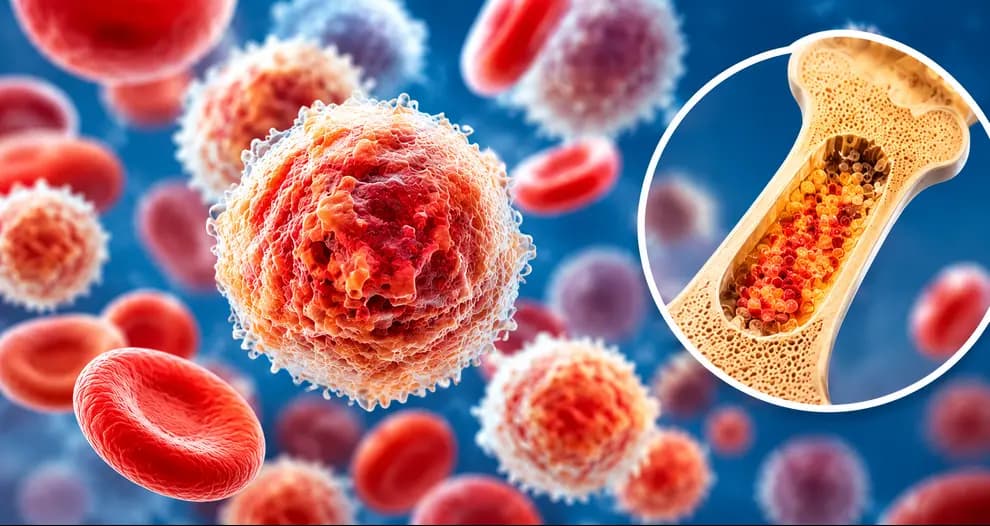
Leukemia begins when bone marrow, the soft tissue inside your bones, starts making faulty white blood cells at an abnormally fast rate. White blood cells normally help your body fight infections, but in leukemia, these cells multiply without control and do not function properly. Over time, these abnormal cells crowd out healthy blood cells and blood platelets, leading to anemia (low red blood cell count), bleeding problems, and weakened immune function. Your blood cells normally live for a set period, die, and are replaced by new cells produced in the bone marrow.
In leukemia, this process breaks down; immature or defective cells (called blasts) keep multiplying and accumulate in the bloodstream and bone marrow. This leads to the organ and tissue damage that defines leukemia as a serious condition requiring prompt specialist care. Understanding this process helps patients recognize why symptoms develop and why early detection matters for treatment planning.
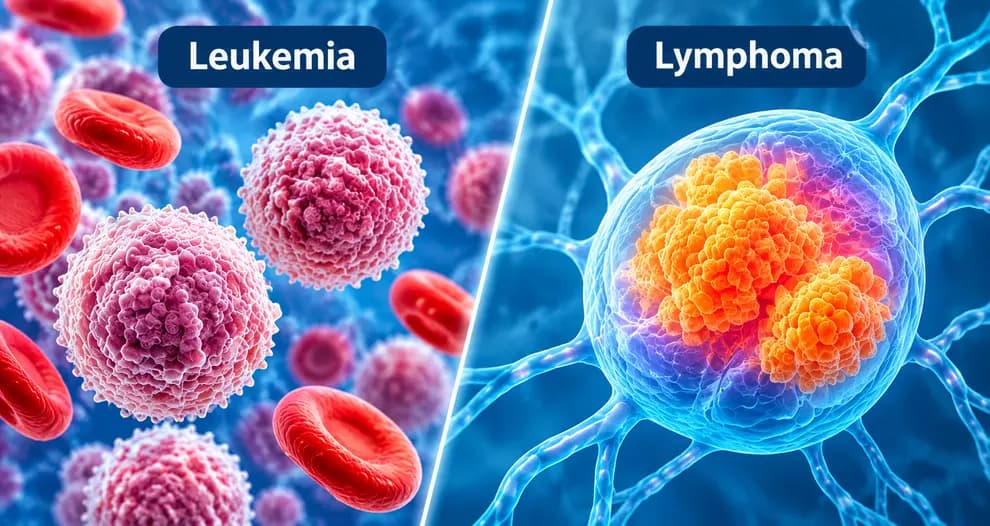
Leukemia vs lymphoma
Leukemia starts in the bone marrow and blood. Lymphoma starts in the lymph nodes and lymphatic tissue. Both are blood cancers, and some types overlap, which is why a specialist confirms the diagnosis.
The Main Types of Leukemia You Should Know
Doctors classify leukemia based on two factors: how quickly it progresses (acute or chronic) and the type of blood cell it begins in (lymphoid or myeloid). These factors determine the four main types of leukemia, each with different characteristics and symptoms.
-
Acute lymphoblastic leukemia (ALL): This fast-growing leukemia begins in lymphoid cells. It primarily affects children but can also occur in adults. Early symptoms may include fever, bone pain, easy bruising, and pale skin.
-
Acute myeloid leukemia (AML): AML develops rapidly in myeloid cells and is the most common type of acute leukemia in adults. It may first appear as frequent infections, bleeding gums, unusual bruising, or persistent fatigue.
-
Chronic lymphocytic leukemia (CLL): CLL usually progresses slowly and begins in lymphoid cells. It most commonly affects older adults and may be discovered during a routine blood test. Some people develop painless swelling of the lymph nodes, while others have no symptoms initially.
-
Chronic myeloid leukemia (CML): CML begins in myeloid cells and generally affects adults, particularly those in middle age or older. It often progresses slowly at first but can accelerate over time. Early symptoms may be subtle, and the condition is sometimes detected through routine blood tests.
Acute vs chronic: why speed matters
Acute leukemia worsens over days to weeks and needs treatment soon after diagnosis. Chronic leukemia progresses slowly, causes few symptoms and is often found on a routine blood test; some chronic cases do not need treatment until they start progressing.
Some of the main risk factors include:
-
Earlier chemotherapy or radiation: Cancer treatments can occasionally damage the DNA of blood-forming cells, leading to leukemia years after treatment. This risk is associated with certain types of acute leukemia.
-
Benzene exposure: Long-term exposure to benzene, which is found in some industrial environments and solvents, is linked to acute myeloid leukemia (AML). A person's occupational exposure history can help assess this risk.
-
Cigarette smoking: Smoking is an established risk factor for AML in adults. Avoiding tobacco is one of the ways to reduce the risk of this type of leukemia.
-
Genetic conditions such as Down syndrome: Children with certain genetic conditions have a higher risk of developing leukemia. However, most children with Down syndrome do not develop the disease.
-
Existing blood disorders: Conditions such as myelodysplastic syndrome (MDS), which affects normal blood cell production, can increase the risk of developing AML. These conditions may require regular monitoring by a healthcare professional.
-
Family history of chronic lymphocytic leukemia (CLL): Having a close relative with CLL increases a person's risk of developing the disease. However, most people with a family history of CLL do not develop it themselves.
Recognizing the Early Symptoms of Leukemia
Early leukemia is hard to spot because its symptoms resemble less serious illnesses, and chronic leukemia may cause none at all. Acute leukemia can look like flu. The pattern, not a single symptom, is the clue.
| What you notice | Why it happens |
|---|---|
| Tiredness that rest doesn't fix, pale skin, breathlessness on stairs | Fewer healthy red cells |
| Fevers, repeated infections, slow-healing mouth sores | White cells are present but don't work properly |
| Easy bruising, nosebleeds, bleeding gums, tiny red-purple dots on the skin | Low platelets |
| Bone or joint pain; a child who limps or refuses to walk | Marrow packed with abnormal cells |
| Painless swelling in the neck, armpit or groin | Enlarged lymph nodes |
| Fullness or early satiety on the left side of the abdomen | Enlarged spleen |
| Night sweats, unexplained weight loss | Whole-body effect of the disease |
Warning Signs of Leukemia That Require Immediate Medical Attention
Seek medical care the same day for a fever with extreme weakness, bleeding that won't stop, sudden severe headache or confusion, or breathlessness at rest. Seek a blood count within days if two or more of the symptoms above last several weeks without explanation.


How Leukemia is Diagnosed
Diagnosis begins with your doctor taking a detailed medical history and physical examination to assess for enlarged organs and lymph nodes. A complete blood count (CBC) blood test is the first step; it measures red cells, white cells, and platelets and reveals abnormal cell counts that suggest leukemia.
If your CBC is abnormal, your doctor will order a peripheral blood smear, in which a lab technician examines blood cells under a microscope to identify abnormal or immature cells (blasts).
The definitive diagnosis requires a bone marrow biopsy and aspiration, a procedure in which a small sample of bone marrow is withdrawn (usually from the hip bone) and examined under the microscope.
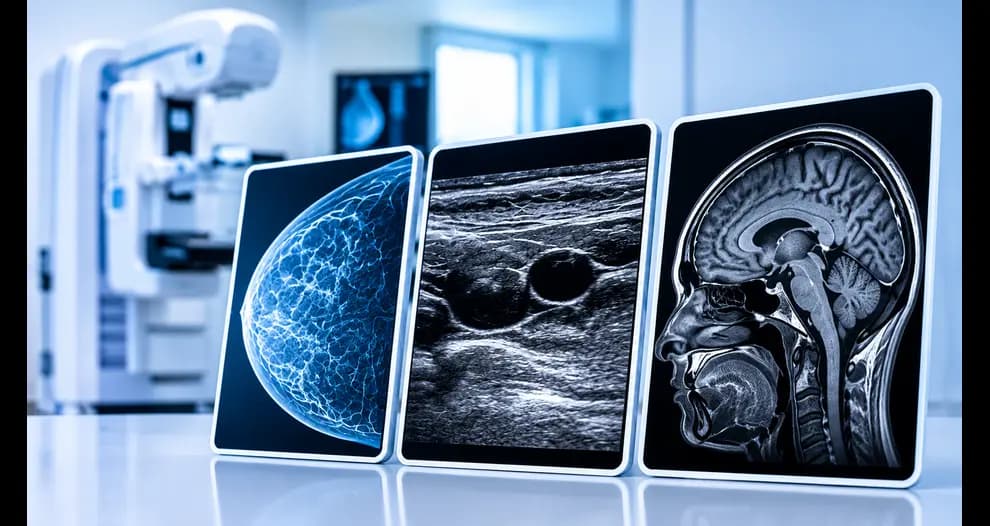
Additional tests, such as flow cytometry and cytochemical staining, identify the specific type of leukemia cell and help classify the disease. Genetic testing (including cytogenetics and molecular studies) detects specific mutations and chromosomal changes that guide treatment selection and prognosis. Imaging studies such as chest X-rays or CT scans may be performed to check for organ involvement. Modern diagnostic tools help oncologists classify your leukemia precisely, ensuring you receive the most appropriate and targeted treatment plan for your specific disease.
Why patients choose BMH for leukemia care: a conversation with the hematology team
Baby Memorial Hospital (BMH), Kozhikode, provides specialised care for blood cancers through its Department of Haematology, Haemato-Oncology and BMT. The department manages acute and chronic leukaemia, lymphoma, multiple myeloma and other blood disorders. Treatment options include chemotherapy, targeted therapy, immunotherapy, inpatient care, day-care chemotherapy and bone marrow or stem cell transplantation.
Specialist Expertise and Treatment Options
Patients can consult Dr. Shinto Francis Thekkudan, a specialist in Haematology, Haemato-Oncology and Bone Marrow Transplantation. He holds a DM in Clinical Hematology from SGPGI, Lucknow, and has completed specialised training in bone marrow and stem cell transplantation, including training at MD Anderson Cancer Center.
Leukaemia treatment is tailored to the patient's diagnosis, genetic findings, overall health and response to therapy. Depending on the condition, treatment may include:
-
Chemotherapy: To destroy leukaemia cells and achieve remission.
-
Targeted therapy: To act on specific molecular changes in cancer cells.
-
Immunotherapy: To help the immune system recognise and fight cancer cells.
-
Stem cell transplantation: For eligible patients when clinically indicated.
NAVA Cancer Institute: Comprehensive Cancer Care at BMH
BMH's** NAVA Cancer Institute**, launched in February 2026, brings multiple cancer specialities together under one integrated care system. Its services include medical oncology, surgical oncology, radiation oncology, nuclear medicine, paediatric oncology, and Haematology, Haemato-Oncology and BMT.
For patients with leukaemia, this multidisciplinary setup supports coordination between haematologists, medical oncologists, diagnostic specialists and transplant teams. A tumour board approach helps specialists review complex cases and develop individualised treatment plans.
The institute also features advanced diagnostic and treatment infrastructure, including molecular diagnostics, TrueBeam radiotherapy, Discovery IQ PET-CT and dedicated chemotherapy facilities. Its broader cancer-care approach includes treatment planning, supportive care and survivorship support.
Plan Your Consultation
BMH's diagnostic facilities support specialised haematology investigations, including blood testing and evaluation of blood cancers. Patients should confirm the availability of specific leukaemia investigations before their visit.
Bring recent CBC reports, bone marrow biopsy results, flow cytometry, molecular and genetic test reports, and previous treatment records to your consultation.
Contact BMH or chat with our medical assistant on WhatsApp to confirm appointment timings, discuss suitable treatment options and request an individualised cost estimate based on your diagnosis and treatment needs.
Conclusion
Leukemia is a cancer of the bone marrow whose early signs are easy to mistake for ordinary illness. Four main types, acute and chronic, lymphoid and myeloid, explain why one patient needs treatment within days while another is monitored for years. Causes are usually unknown, symptoms follow from crowded marrow, and a simple blood count is the right first step. If something doesn't add up, ask for the test. BMH's hematology team is available for consultations and report reviews.
If you or a family member has symptoms concerning for leukemia, such as persistent fatigue, frequent infections, or unexplained bruising, do not wait. Contact our oncology centre in Kozhikode today to schedule a consultation with our hematologic oncology specialists. We welcome local and international patients and provide comprehensive diagnostic and treatment services. Call us or submit an online inquiry to arrange your appointment.
Medical disclaimer This article is for general information and does not replace advice from a qualified doctor. Leukemia symptoms overlap with many common conditions. Do not diagnose or treat yourself. Consult a hematologist for evaluation of your own situation.