
Cancer is becoming a growing health challenge in India, with lifestyle factors playing a major role in increasing cancer risk. According to ICMR, India recorded around 14.6 lakh new cancer cases, and the burden is expected to rise significantly by 2040.
Tobacco use, alcohol consumption, obesity, unhealthy dietary patterns, and lack of physical activity are among the key modifiable risk factors linked to cancers such as breast, colorectal, and oral cancer.
This article outlines the specific lifestyle changes with the strongest evidence base, written not as a general wellness guide but as a clinically grounded resource that can help you, your family, and your patients make informed decisions. At the end, you'll also find guidance on when lifestyle prevention should be paired with formal cancer screening.
1. Quit Tobacco: The Single Most Impactful Step
Tobacco use, whether smoked or smokeless, is the most well-established modifiable cause of cancer. According to the Mayo Clinic, tobacco is linked to at least 12 cancer types, including lung, mouth, throat, voice box, oesophagus, pancreas, bladder, cervix, and kidney. Even passive exposure to secondhand smoke elevates lung cancer risk in non-smokers.
In Kerala specifically, tobacco-related oral cavity and lung cancers constitute a significant portion of the state's cancer burden. Cessation, even in middle age, yields measurable reductions in cancer risk within five years. Nicotine replacement therapy, behavioural counselling, and prescription medications have all demonstrated efficacy in supporting cessation.
What to do: If you currently use tobacco, speak to your doctor about a structured cessation plan. Do not wait for symptoms.
2. Build a Cancer-Protective Diet
Diet is among the most complex modifiable factors in cancer prevention, but the evidence consistently points in one direction: a predominantly whole-food, plant-based eating pattern is protective.
It is recommended to fill at least two-thirds of each plate with vegetables, whole grains, fruits, and legumes. These foods are rich in antioxidants, dietary fibre, and phytochemicals that combat inflammation at the cellular level, a critical mechanism in cancer prevention.
The following specific dietary choices have the strongest evidence base:
- Increase dietary fibre: Linked to lower risk of colorectal cancer, which has seen rising incidence in Kerala over the past decade.
- Limit red and processed meat: Processed meats (sausages, cured meats, deli cuts) are classified as Group 1 carcinogens by the WHO.
- Reduce ultra-processed foods and added sugars: These drive obesity, which itself is an independent cancer risk factor.
- Include cruciferous vegetables: Broccoli, cauliflower, cabbage, and kale contain sulforaphane, a compound with documented anti-tumour properties in laboratory studies.
- Choose whole grains over refined carbohydrates: Associated with lower risk of endometrial and colorectal cancers.
A note for Indian patients: Traditional Indian cuisine, with its use of turmeric, vegetables, coconut, and fish already contains many protective elements. The risk often enters through changes in eating habits with urbanisation: increased consumption of packaged snacks, fast food, and refined grains.
3. Move Regularly, Physical Activity as a Cancer Reducer
Regular physical activity is independently associated with lower risk for at least six cancer types, including breast, colorectal, endometrial, bladder, kidney, and stomach cancers. The American Institute for Cancer Research recommends a minimum of 150 minutes of moderate-intensity aerobic activity per week or 75 minutes of vigorous activity.
Exercise reduces cancer risk through multiple mechanisms: it lowers circulating oestrogen and insulin levels (both of which can promote tumour growth), reduces body fat, decreases systemic inflammation, and strengthens immune surveillance.
For most adults in Kerala especially those in desk-bound urban jobs, meeting this threshold requires intentional scheduling. Walking, cycling, swimming, yoga, and household physical activity all count. The key is consistency over intensity.
Practical target: 30 minutes of brisk walking, 5 days per week, is sufficient to meet the guideline and confer meaningful risk reduction.
4. Achieve and Maintain a Healthy Body Weight
Obesity is now recognised as a risk factor for at least 13 types of cancer, including breast (post-menopausal), colon, uterus, oesophagus, kidney, and pancreas. The link is primarily mediated through elevated oestrogen production from fat tissue, chronic low-grade inflammation, and insulin resistance.
The University of Maryland Medical System notes that while overall cancer rates are declining globally, the incidence of certain cancers is rising, particularly among women and younger adults and many of these increases are attributed to lifestyle factors, including rising rates of overweight and obesity.
Weight management is not about achieving an idealised body image. It is about reducing the chronic metabolic and hormonal disruptions that silently elevate cancer risk over decades. A BMI in the healthy range (18.5–24.9), combined with a waist circumference below recommended thresholds, is associated with meaningfully lower risk.
5. Reduce or Eliminate Alcohol
Alcohol is a Group 1 carcinogen. It is directly linked to cancers of the mouth, throat, oesophagus, liver, breast, and colon. The UMMS Health guide specifies moderation targets of no more than one drink per day for women and two for men, but emerging oncology evidence suggests that even low-level regular alcohol consumption carries some degree of elevated risk, particularly for breast cancer.
In Kerala, alcohol consumption rates have risen significantly over recent decades, directly contributing to increases in liver and oral cavity cancers in the state. The safest choice from a cancer prevention standpoint is abstinence, but gradual reduction is a meaningful first step.


6. Protect Yourself from Environmental and Occupational Carcinogens
Many preventable cancers arise from prolonged exposure to environmental or occupational carcinogens, agents that damage DNA and initiate malignant change. Key exposures to limit or avoid include:
-
Ultraviolet radiation: Prolonged, unprotected sun exposure is the leading cause of skin cancer, including melanoma. Use SPF 30+ sunscreen daily, especially if you spend significant time outdoors.
-
Indoor air pollution: Cooking with biomass fuel on unventilated stoves is a significant risk factor for lung cancer in rural India, even in non-smokers. Improved ventilation and clean cooking fuels reduce risk.
-
Occupational exposures: Workers in painting, construction, petrochemical, and agricultural sectors face elevated risk from asbestos, benzene, pesticides, and other known carcinogens. Appropriate protective equipment and regular health monitoring are essential.
-
Radon gas: While less studied in India, radon accumulation in poorly ventilated ground-floor spaces is a known lung cancer risk factor worth evaluating in certain building types.
7. Stay Up to Date with Vaccinations
Two vaccines with proven cancer-prevention benefit are now widely available in India:
- Human Papillomavirus (HPV) vaccine (prevents cervical, anal, and head-and-neck cancers)
- Hepatitis B vaccine (prevents liver cancer).
If you are unsure of your vaccination status for either, consult your physician. These are low-cost, high-impact cancer prevention tools.
8. Manage Stress and Prioritise Sleep
While the direct causal link between psychological stress and cancer is still an active research area, the indirect pathways are well-established. Chronic stress elevates cortisol and inflammatory cytokines, disrupts immune surveillance, promotes unhealthy coping behaviours (overeating, alcohol, smoking), and impairs sleep quality, all of which independently affect cancer risk.
Sleep deprivation specifically suppresses natural killer (NK) cell activity, a component of the immune system that targets and destroys malignant cells. Adults require 7–9 hours of quality sleep per night for optimal immune function.
Practical stress management strategies with good evidence include mindfulness meditation, yoga, structured exercise, and building supportive social networks. These are not alternative therapies, they are adjuncts to a comprehensive cancer prevention lifestyle.
9. Schedule Regular Cancer Screening
This is the step that lifestyle change alone cannot replace. Many cancers, including early-stage breast, cervical, colorectal, and prostate cancers produce no symptoms until they reach an advanced stage. Screening detects malignancies before symptoms appear, when treatment is most effective and survival rates are highest.
Recommended screening intervals for adults in India:
-
Breast cancer: Mammogram every 1–2 years for women aged 40+; clinical breast exam annually; self-examination monthly.
-
Cervical cancer: Pap smear every 3 years from age 21–65; HPV test every 5 years from age 30.
-
Colorectal cancer: Colonoscopy every 10 years from age 45; earlier for those with family history.
-
Oral cancer: Oral examination at every dental visit; annual visual screening for tobacco and alcohol users.
-
Prostate cancer (men 50+): PSA blood test discussion with your physician, particularly for those with family history.
High-risk individuals, those with a first-degree relative diagnosed with cancer, or those carrying BRCA1/BRCA2 mutations, should begin screening earlier and more frequently. Genetic counselling is available at specialised cancer centres.
10. Know Your Family History and Seek Genetic Counselling When Indicated
Not all cancer risk is modifiable. Inherited mutations such as BRCA1 and BRCA2 for breast and ovarian cancer, or Lynch Syndrome for colorectal and endometrial cancer , confer significantly elevated lifetime risk regardless of lifestyle.
If you have a first-degree relative (parent, sibling, or child) diagnosed with cancer, particularly at a young age, speak to a genetic counsellor. Knowing your hereditary risk does not mean a diagnosis is inevitable, but it does allow for more aggressive screening, chemoprevention strategies, and, in some cases, risk-reducing surgery.
Cancer Care in Kerala: Why Patients Choose NAVA Cancer Institute at Baby Memorial Hospital
Lifestyle changes and regular screening are your best tools for cancer prevention. But if you or a family member have received a diagnosis or are seeking expert evaluation, the quality and completeness of the cancer centre you choose matters deeply.
Baby Memorial Hospital (BMH) in Kozhikode has served patients across Kerala and beyond for over 38 years. In February 2026, BMH formally launched the NAVA Cancer Institute, its dedicated oncology division that consolidates cancer diagnosis, treatment, and survivorship care under one integrated system.
What Makes NAVA Cancer Institute Different
NAVA operates on a model of precision, multidisciplinary care, meaning every patient's case is reviewed by a tumour board comprising oncologists from multiple specialties before a treatment plan is finalised. This process, standard at major international cancer centres, ensures no treatment pathway is planned in isolation.
Specialties available under one roof:
- Medical Oncology: chemotherapy, targeted therapy, immunotherapy, hormonal therapy
- Surgical Oncology: minimally invasive and robotic cancer surgery using the Da Vinci X system
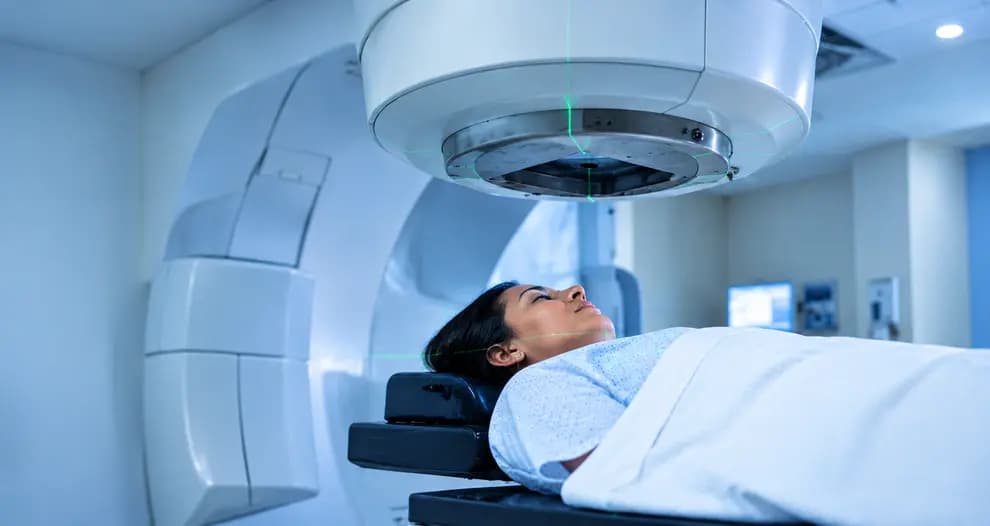
- Radiation Oncology: TrueBeam image-guided radiotherapy for precision tumour targeting
- Haemato-Oncology and Bone Marrow Transplantation (BMT)
- Nuclear Medicine: Discovery IQ PET/CT for staging and treatment monitoring
- Paediatric Oncology
- Head & Neck Oncology, Breast Oncology
- GammaMedplus iX brachytherapy for targeted internal radiation
Affordable Cancer Screening Packages; The NAVAyug Programme
Prevention and early detection are central to NAVA's model. The NAVAyug Cancer Screening Packages, available for both men and women offer a structured, affordable pathway to comprehensive cancer screening. Packages include tumour markers (PSA, CA 125, CEA), imaging (USG abdomen and pelvis, chest X-ray), and specialist oncology consultation.
Also Read: Recommended Cancer Screening Tests for Every Adults
International Patient Coordination
BMH serves a substantial cohort of international patients, particularly from the Gulf NRI community and patients from Bangladesh, Sri Lanka, and the MENA region. The hospital's international patient services include dedicated care coordinators, Arabic-language support, telemedicine second-opinion consultations, and visa facilitation.
Why BMH for Cancer Treatment
- 38+ years of tertiary care experience in North Kerala
- 490-bed multi-specialty hospital with 100 ICU beds and 16 operation theatres
- Da Vinci robotic surgery, TrueBeam radiotherapy, and Discovery IQ PET/CT all available on-site
- Dedicated tumour board review for every cancer case
- Affordable treatment with transparent pricing for national and international patients
- NAVAyug screening packages for preventive care
- 24/7 emergency oncology support
To inquire about a consultation or cancer screening package, chat with our medical assistant today!
Conclusion
Cancer is not a single disease, and cancer prevention is not a single action. It is the cumulative result of choices made every day, what you eat, whether you exercise, whether you smoke, and whether you show up for your annual screening.
The evidence is clear: a significant proportion of cancers are preventable through modifiable lifestyle factors. And for the cancers that do develop despite prevention efforts, early detection remains the most powerful tool available to improve survival.
Prevention and early detection are not passive processes. They require an informed, proactive approach and access to a centre equipped to support you at every stage.
If you have concerns about your cancer risk, want to schedule a NAVAyug Cancer Screening package, or need to discuss a recent diagnosis, our oncology team is here to help. Chat with us today!